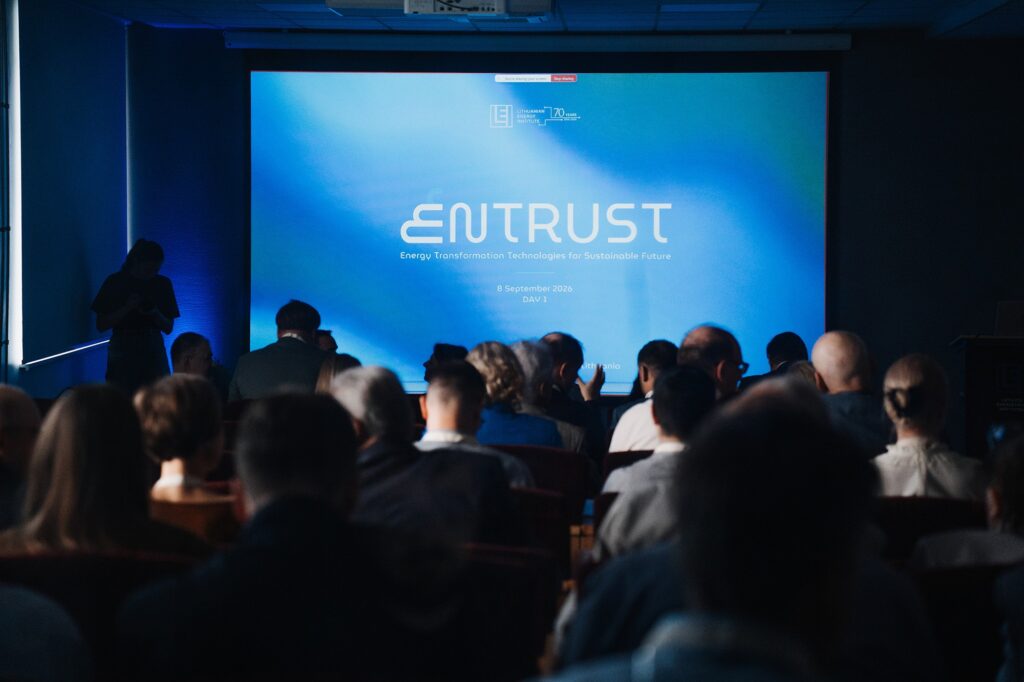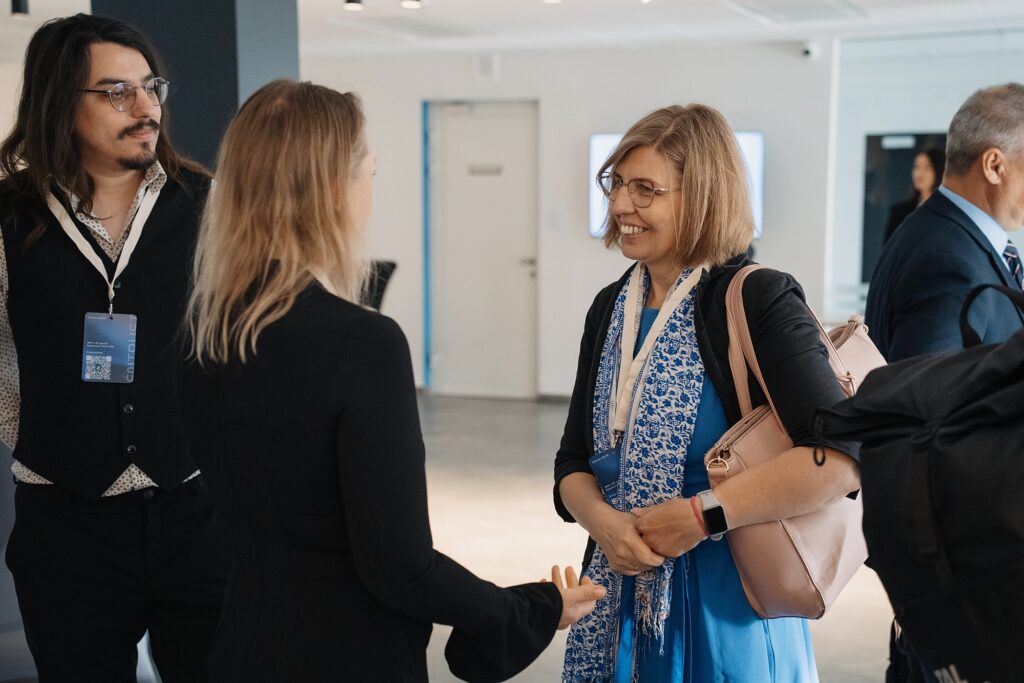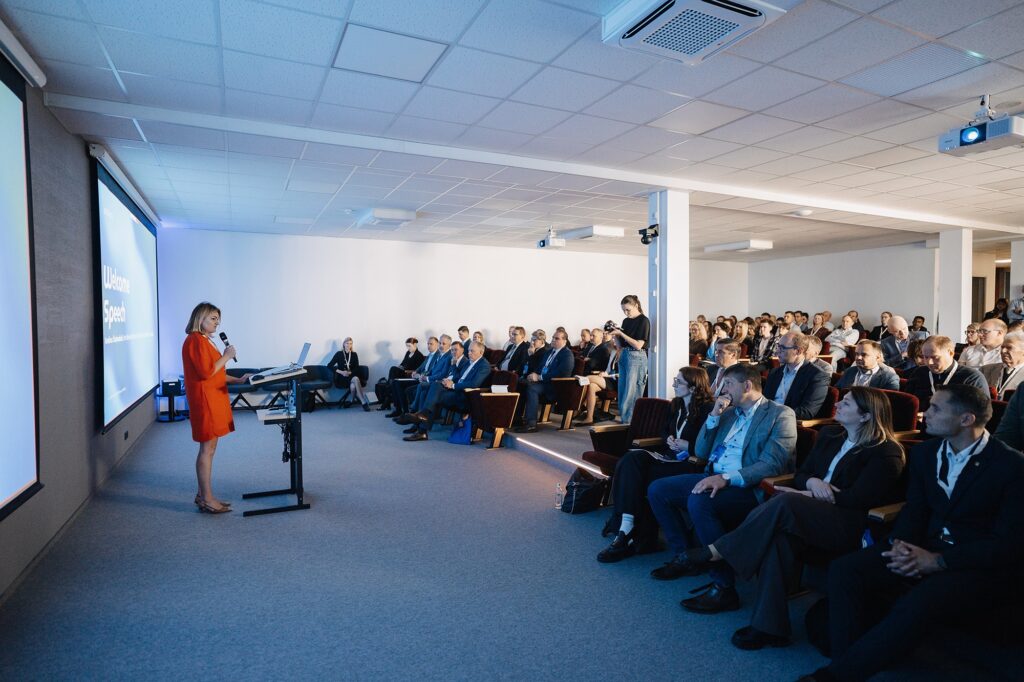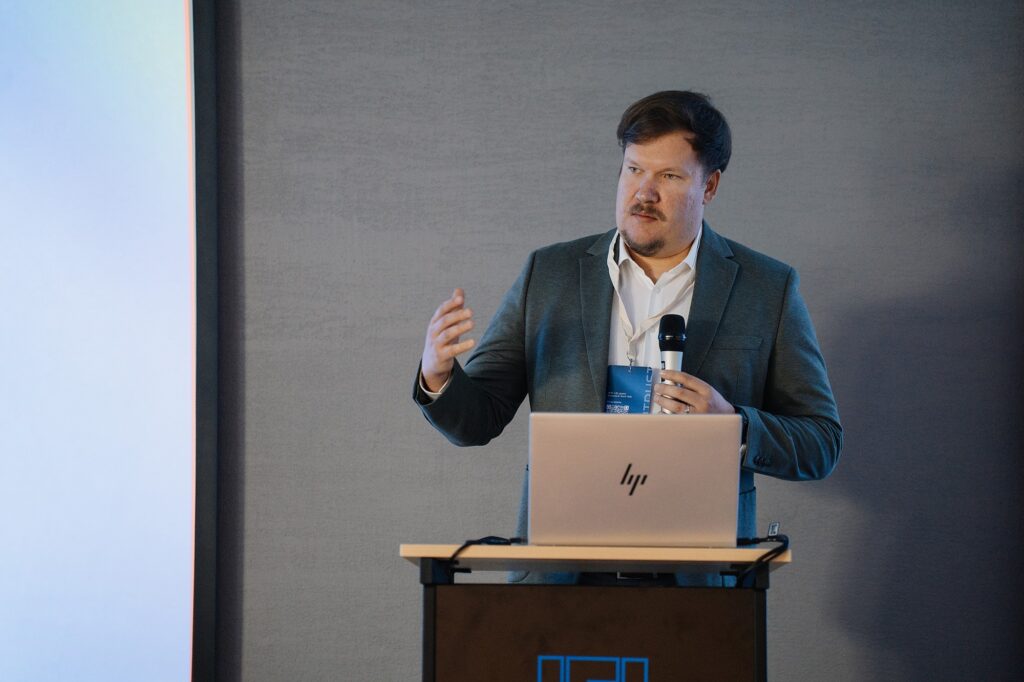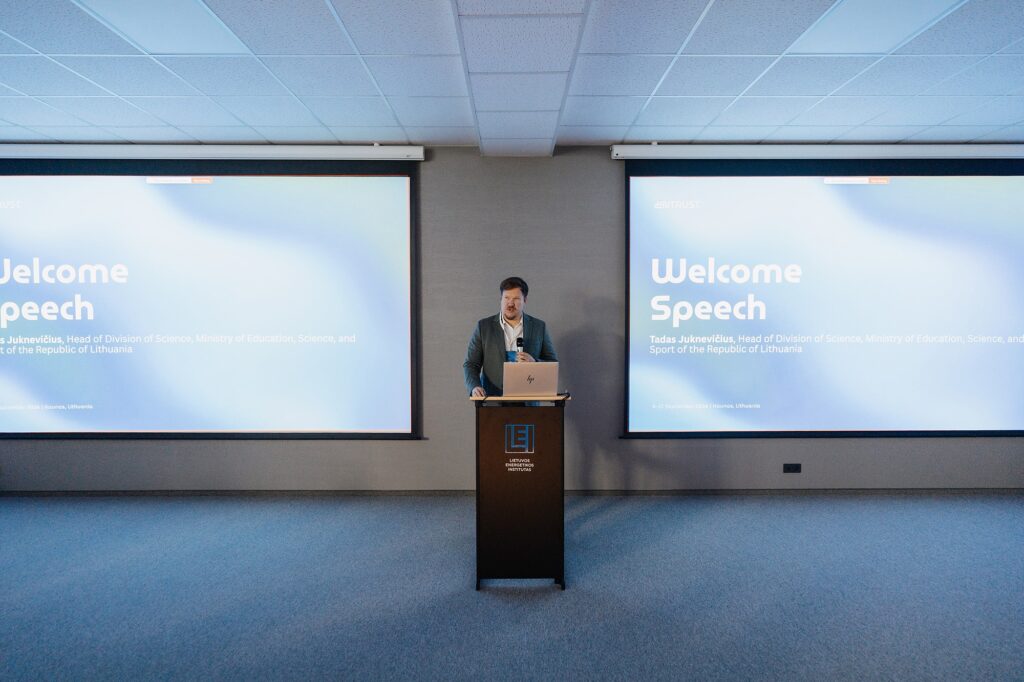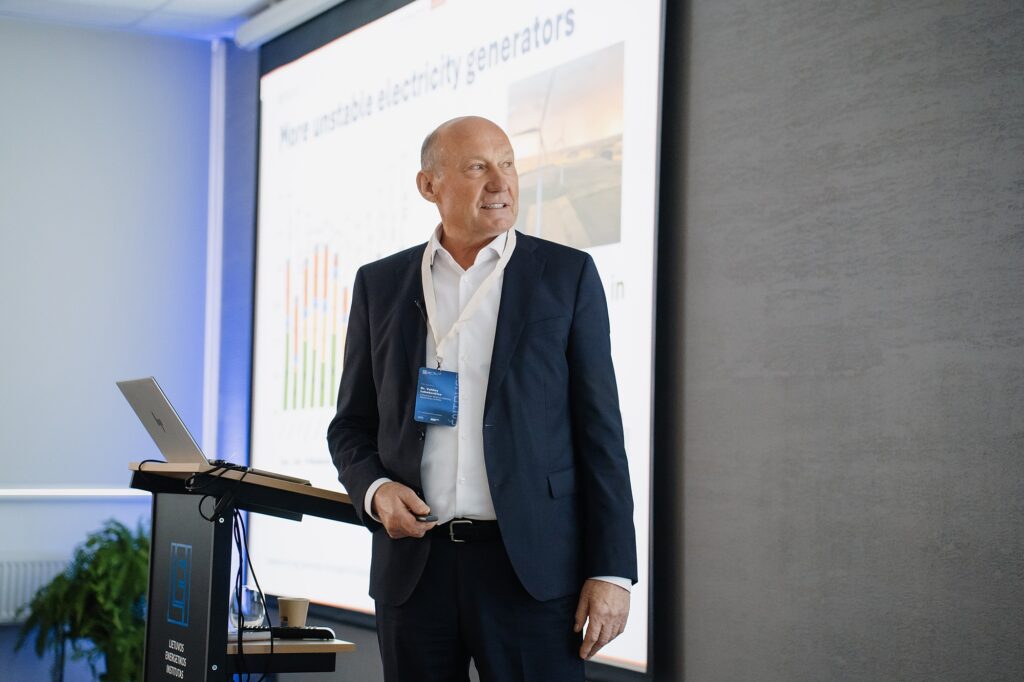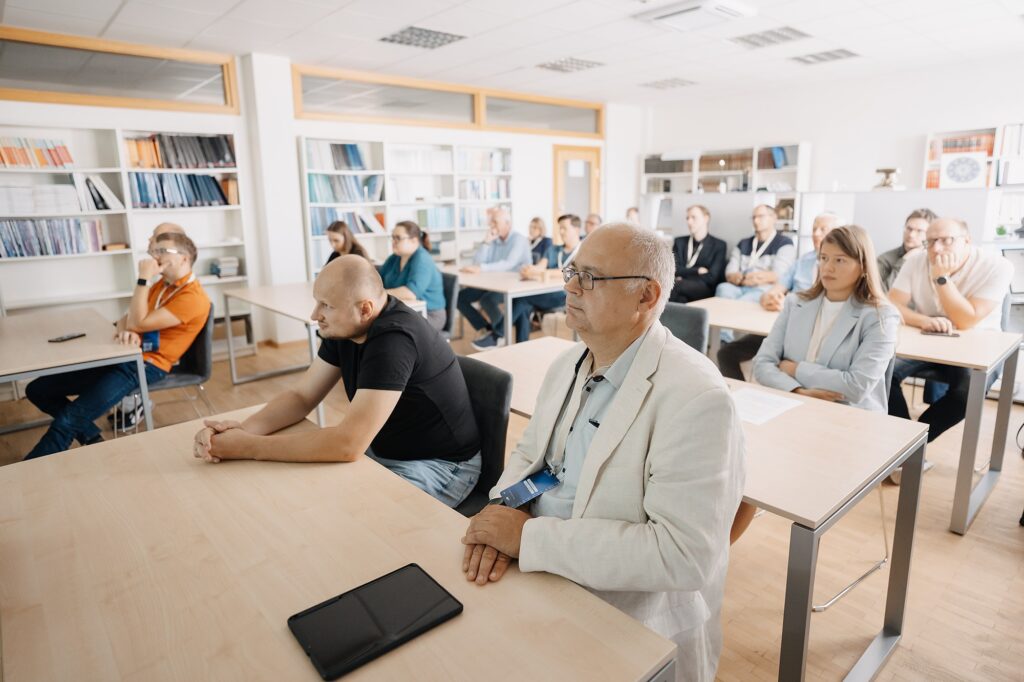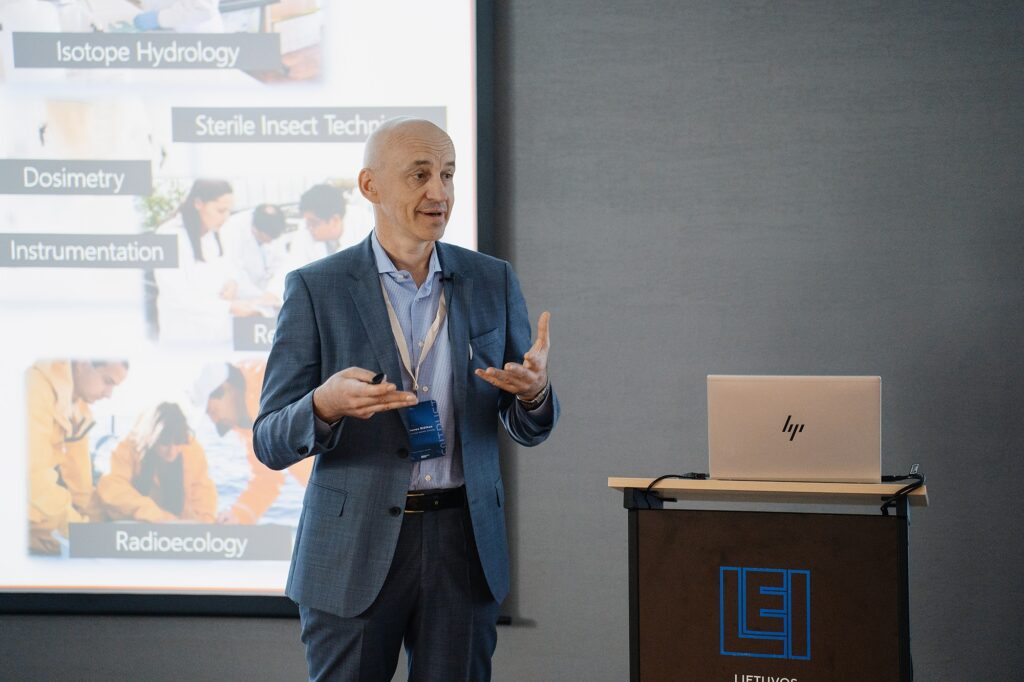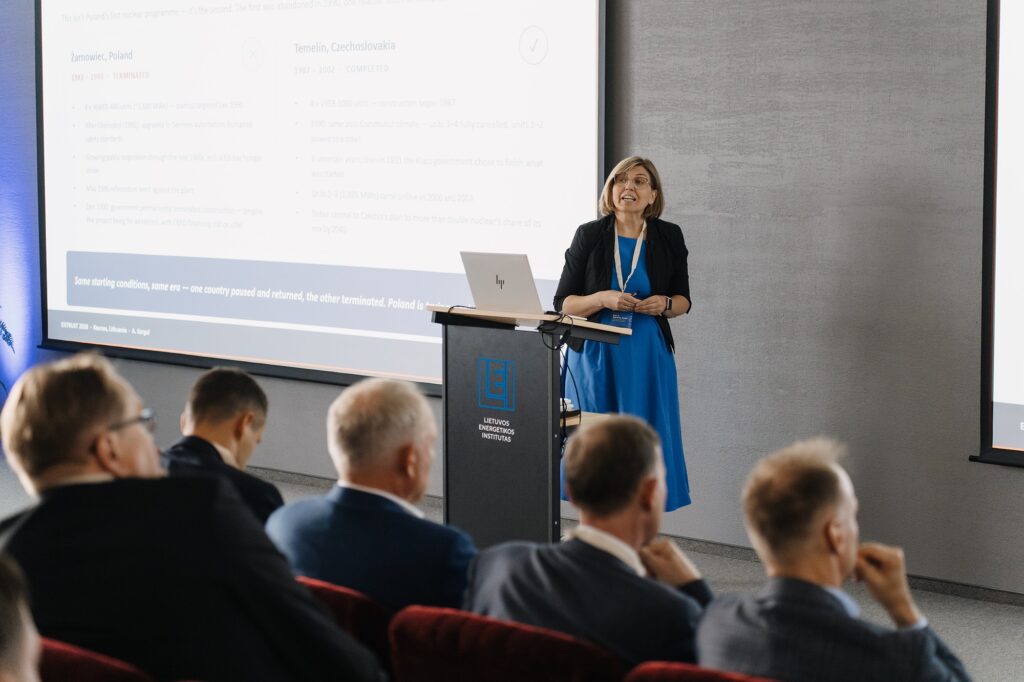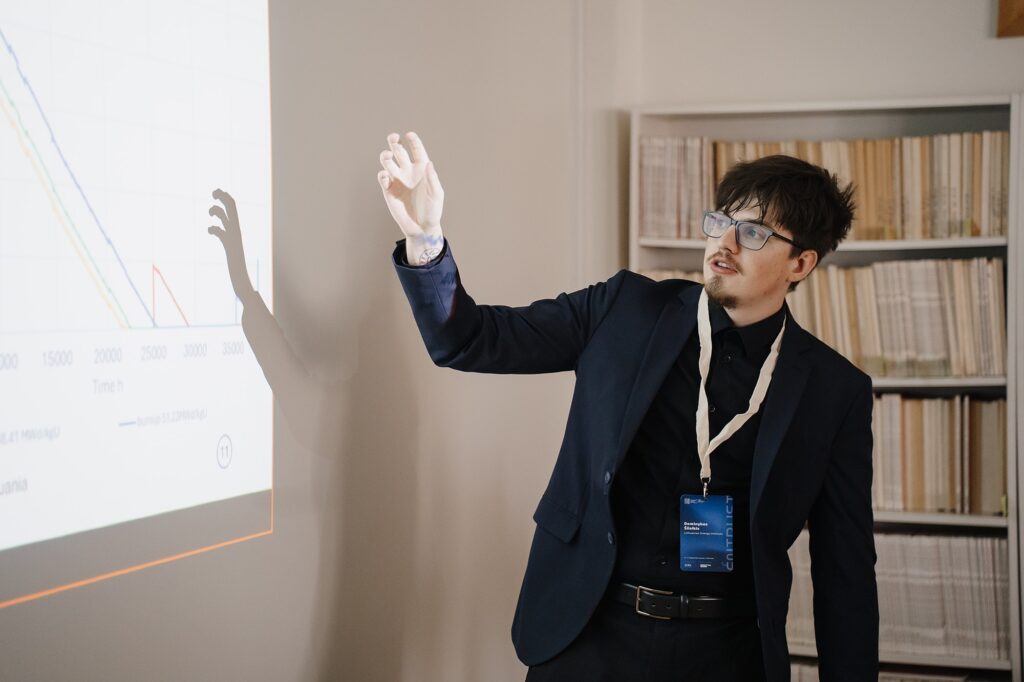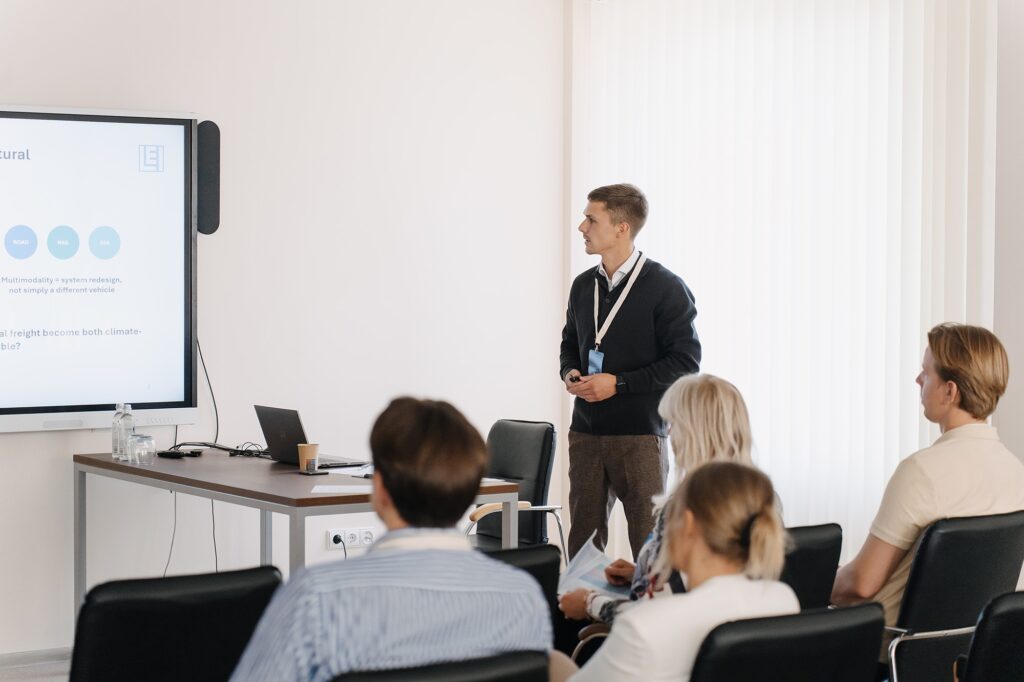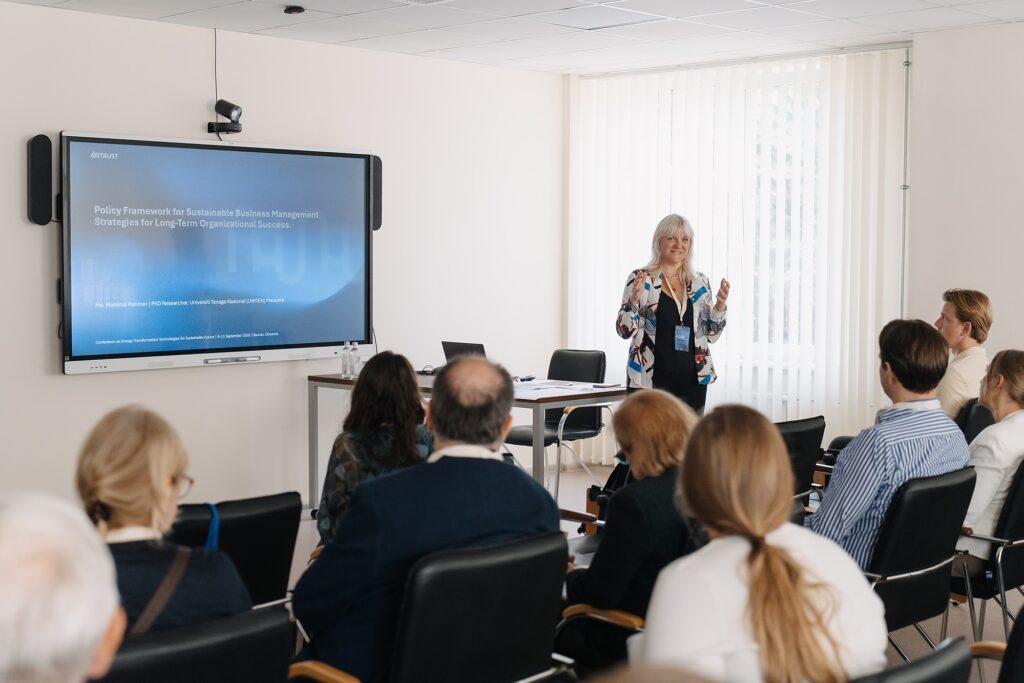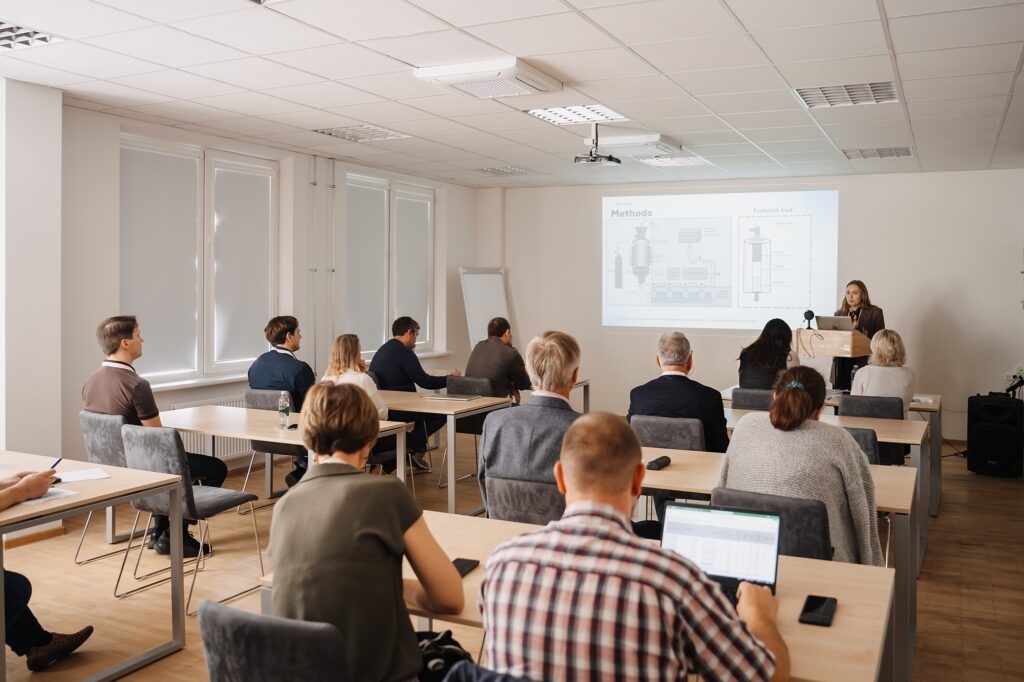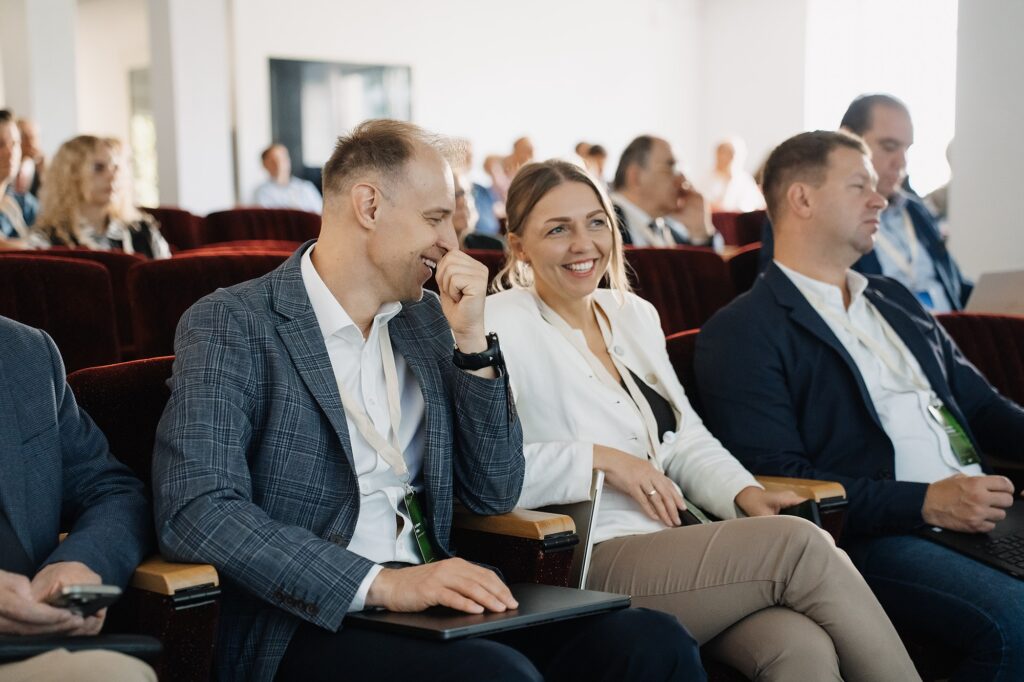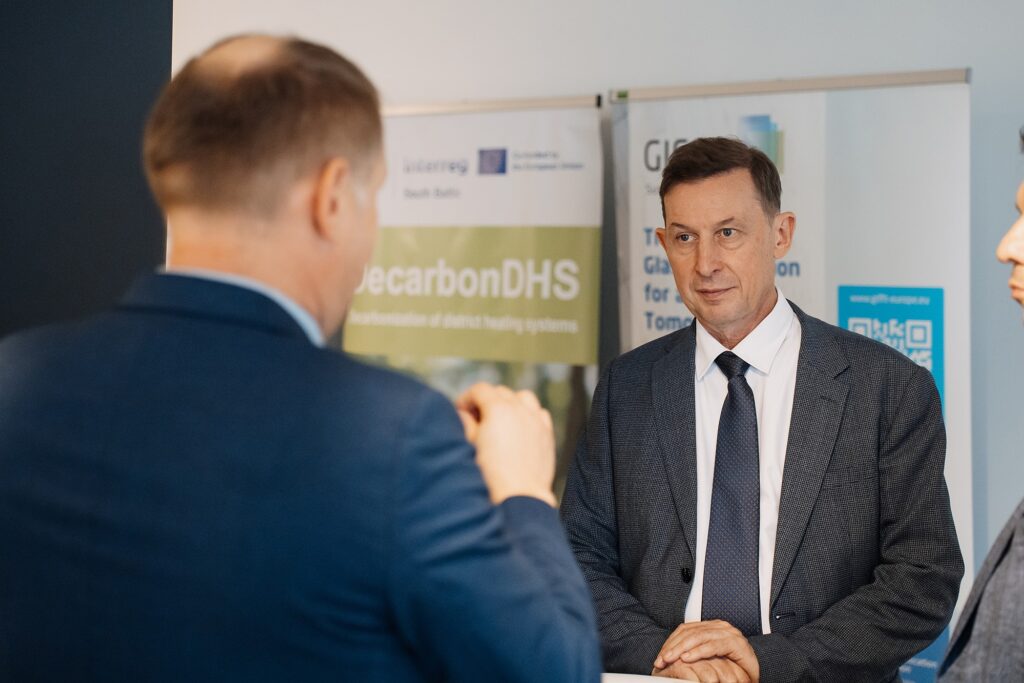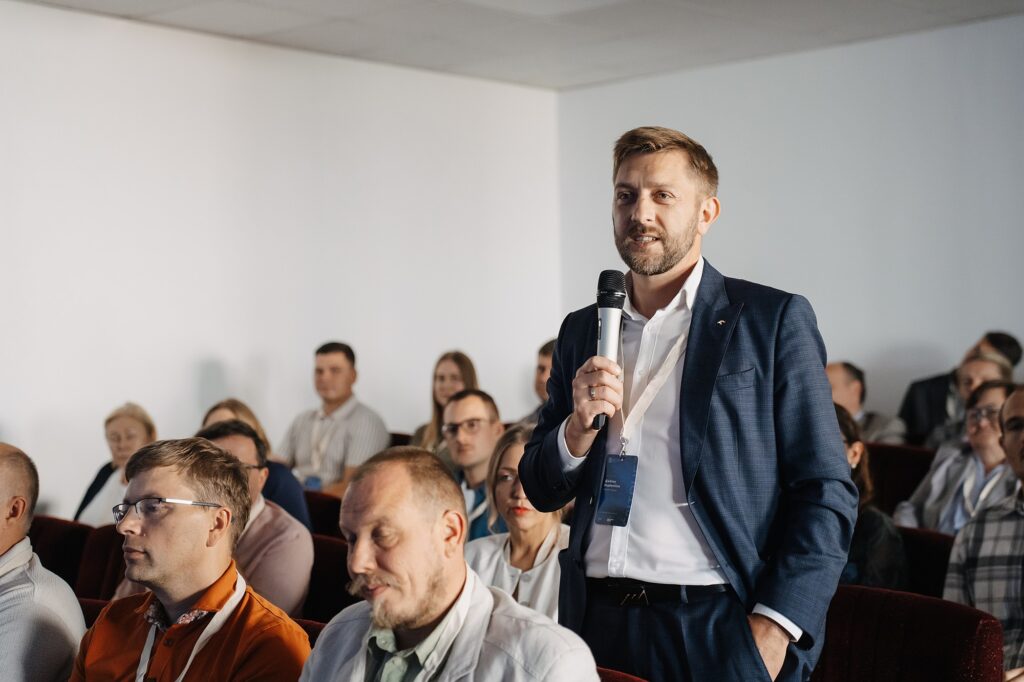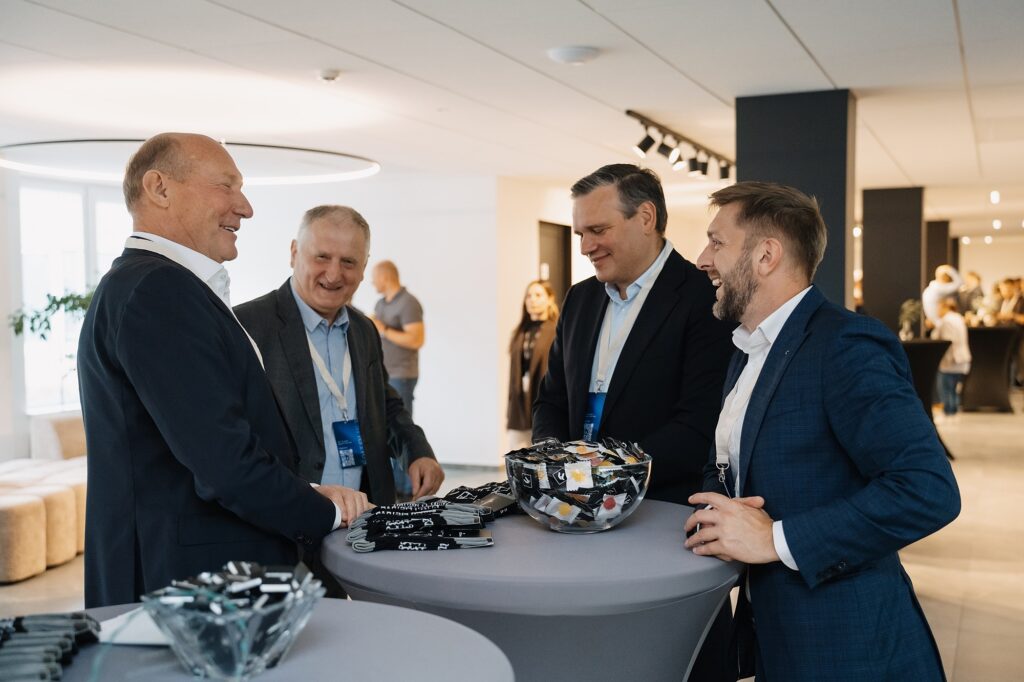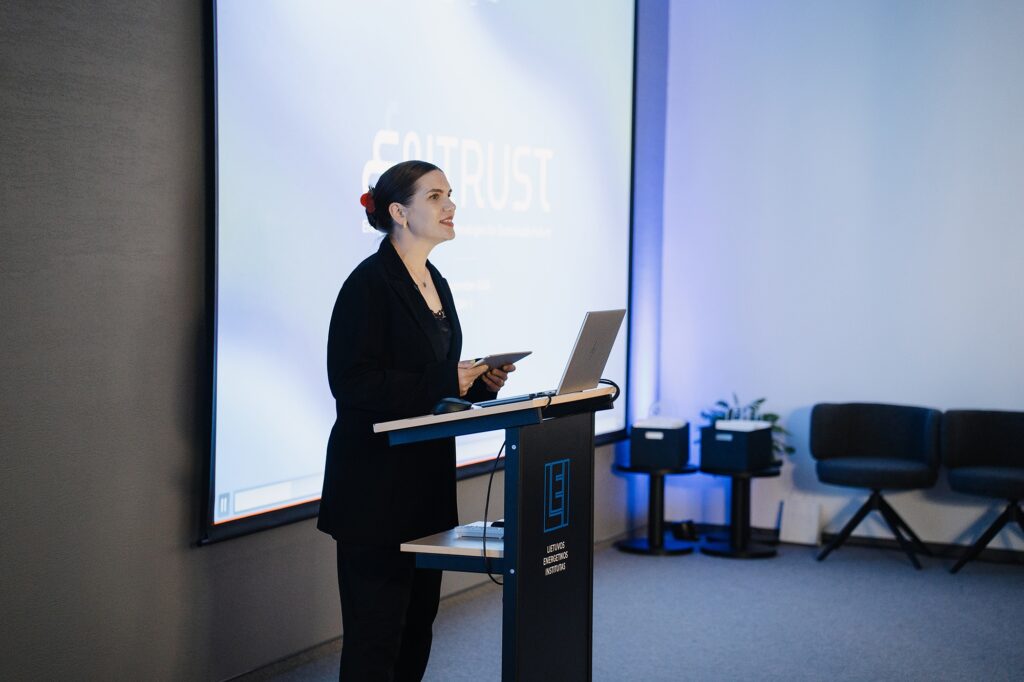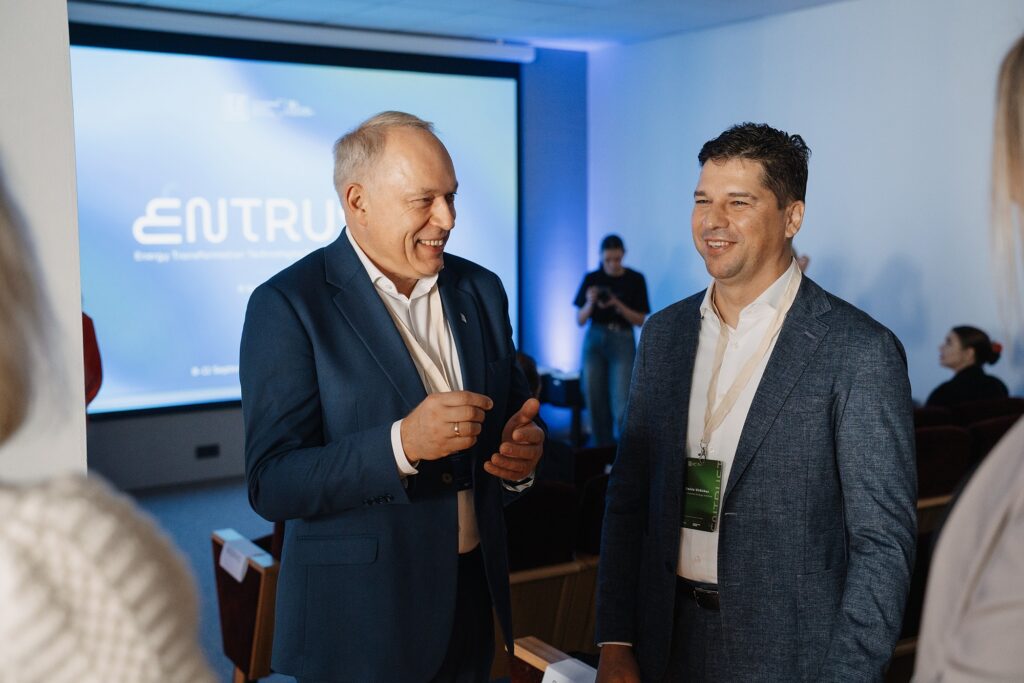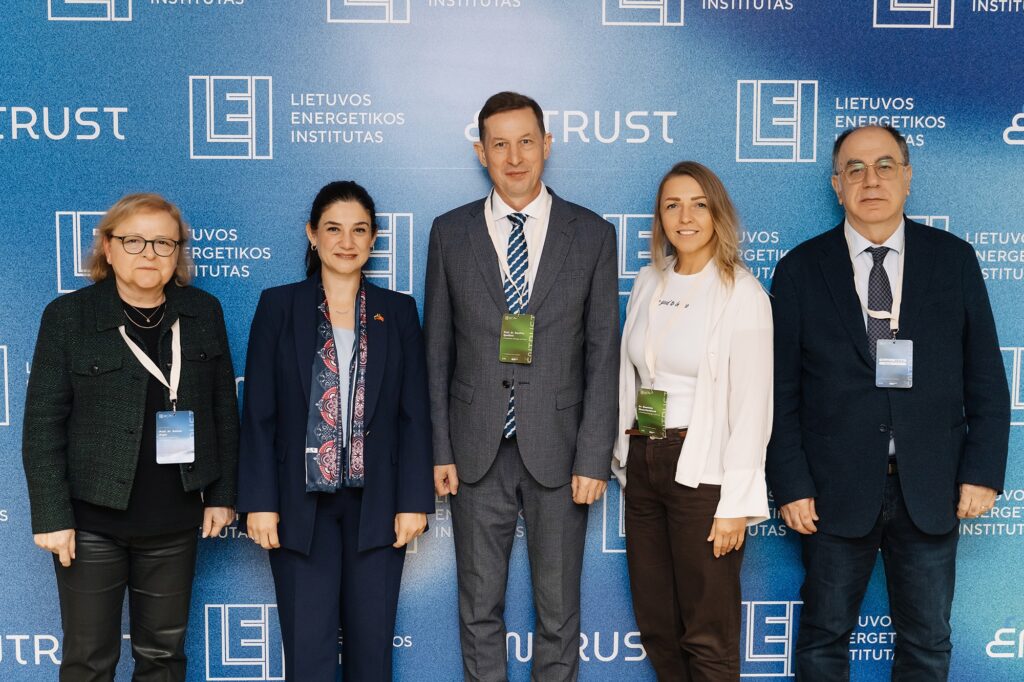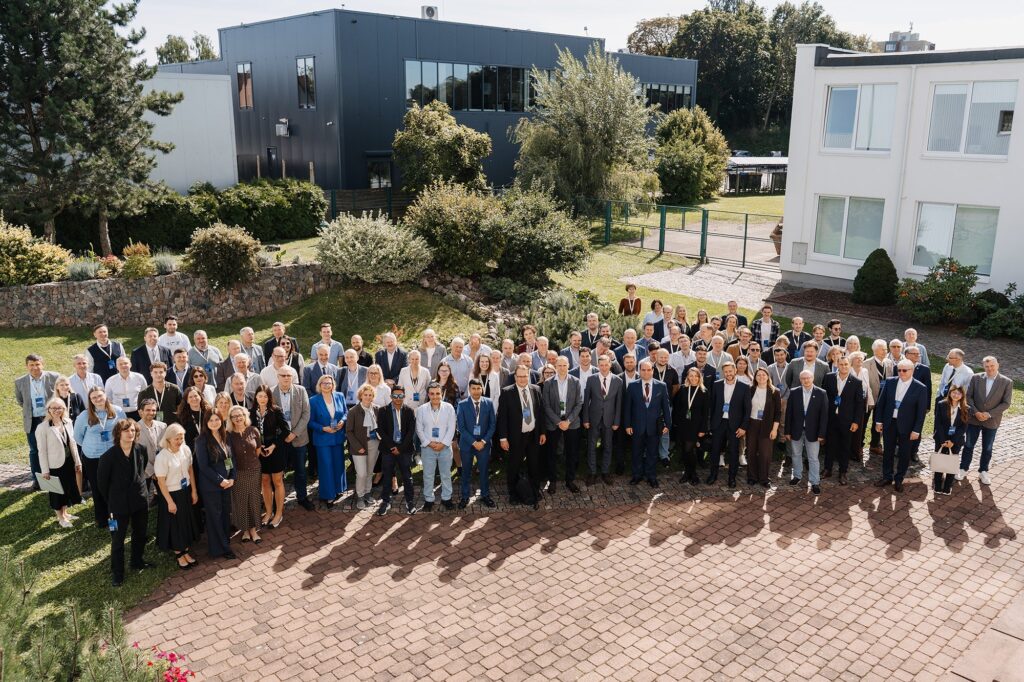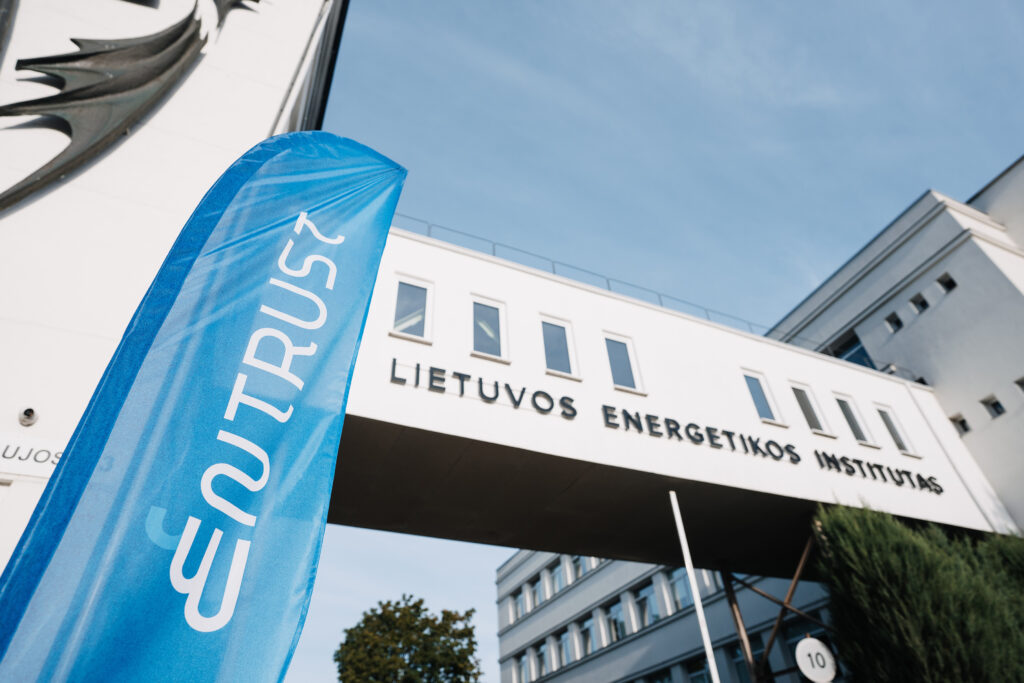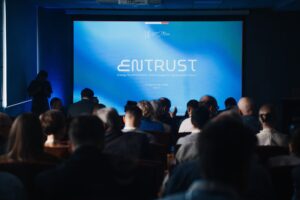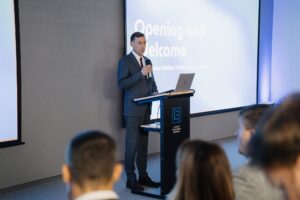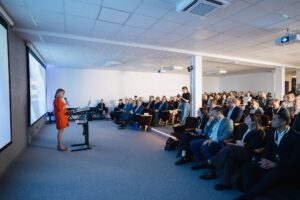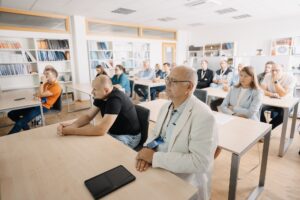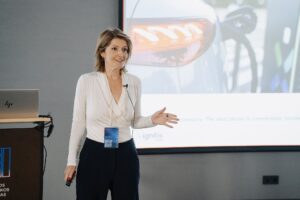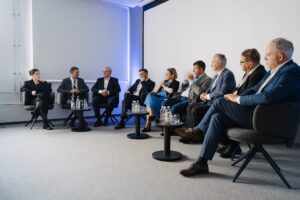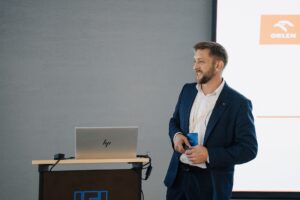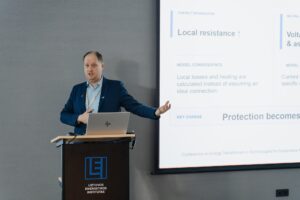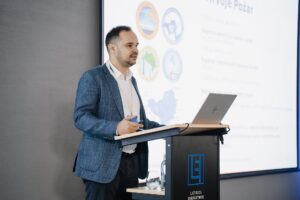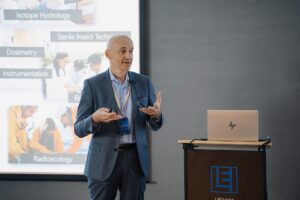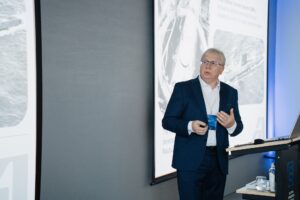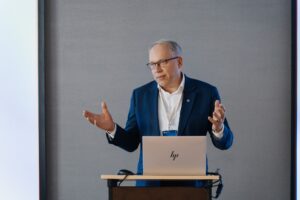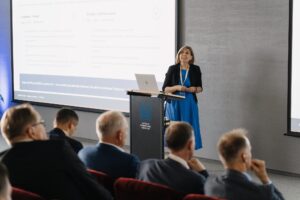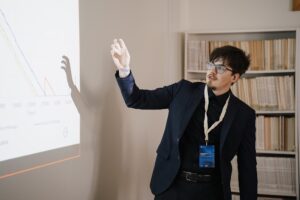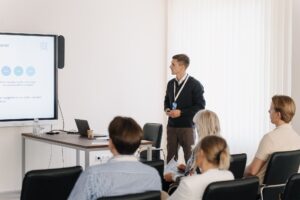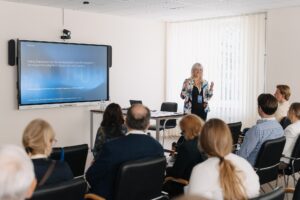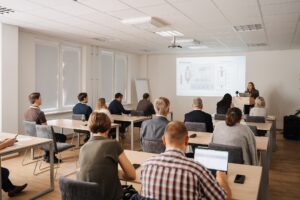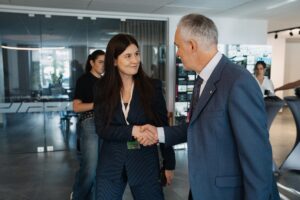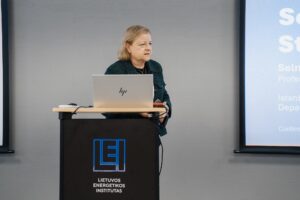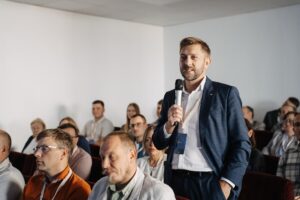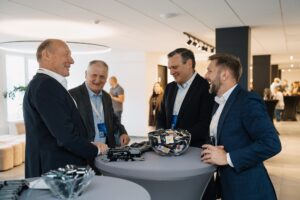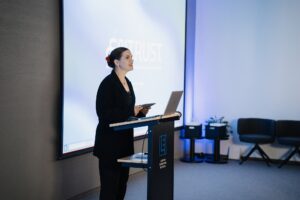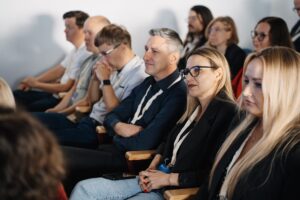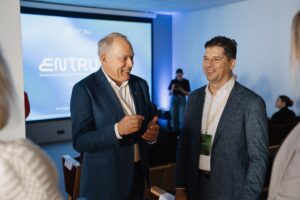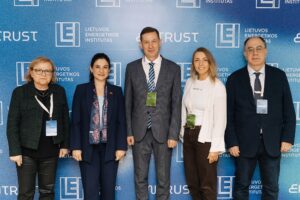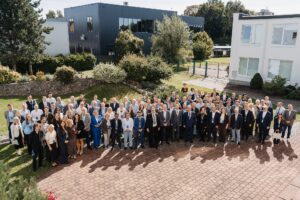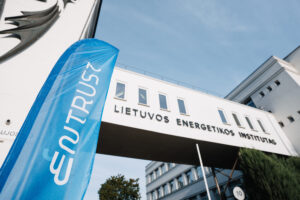


8–11 September the first international scientific conference “Energy Transformation Technologies for Sustainable Future” (ENTRUST) took place at the Lithuanian Energy Institute (LEI) in Kaunas, bringing together researchers from Lithuania and abroad, energy-sector experts, and representatives from industry and the public sector.
Over four days, the conference focused on energy transformation and the solutions that are shaping the future of Europe’s and the Baltic region’s energy systems. The programme covered a broad range of topics, including the future of nuclear energy, energy security, critical infrastructure resilience, changes in energy systems and markets, electrification, decarbonisation, hydrogen and other emerging technologies.
Marking a major milestone
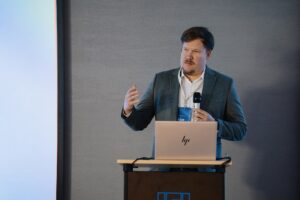
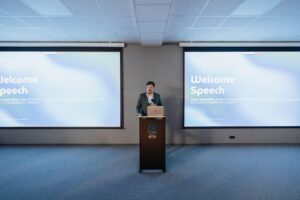
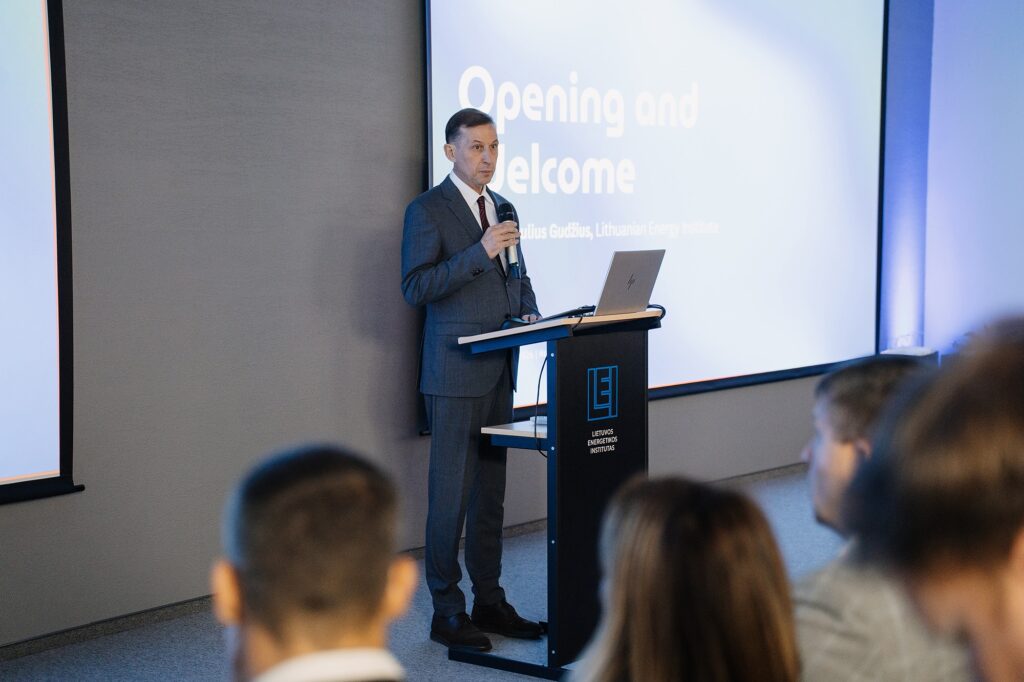
The opening day of ENTRUST was dedicated to celebrating the 70th anniversary of the Lithuanian Energy Institute. The conference officially opened with welcoming remarks from the ENTRUST Organising Committee Chairs, Prof. Dr. Saulius Gudžius, Prof. Dr. Hussam Jouhara and Dr. Robertas Poškas.
“For seven decades, the Institute has changed and grown together with Lithuania, responding to evolving energy needs while maintaining its core mission – using scientific and engineering knowledge to help address emerging challenges. As LEI approached its 70th anniversary, the idea for ENTRUST naturally emerged. This conference is an important step towards the future – an opportunity to bring together researchers and industry representatives, exchange knowledge and ideas, and discuss the technologies and challenges that will shape the future of energy,” said Prof. Dr. Saulius Gudžius.
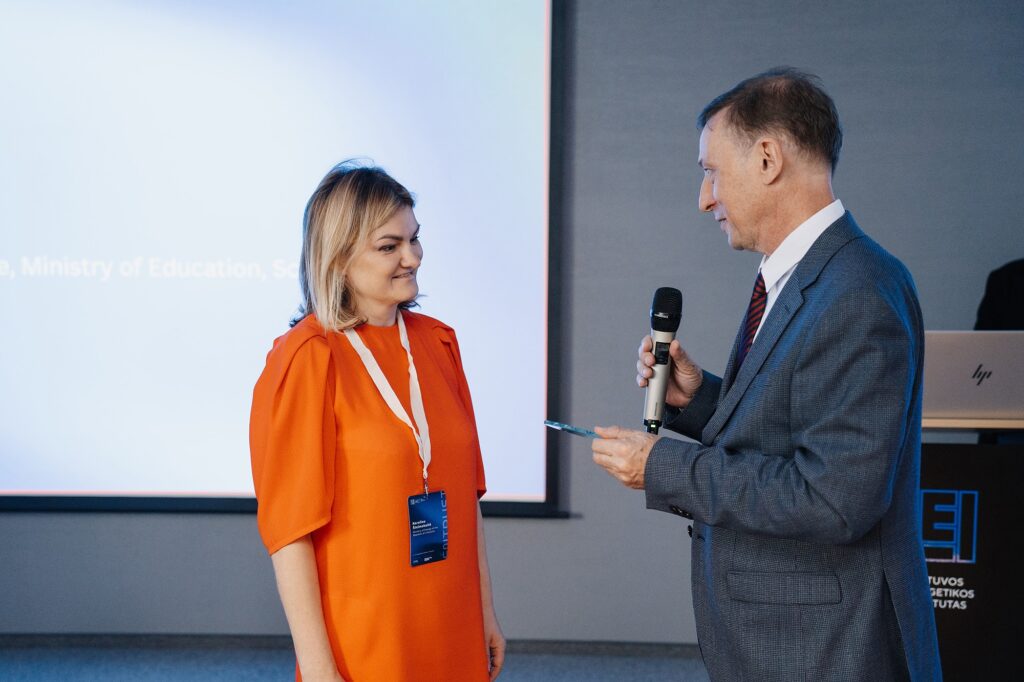
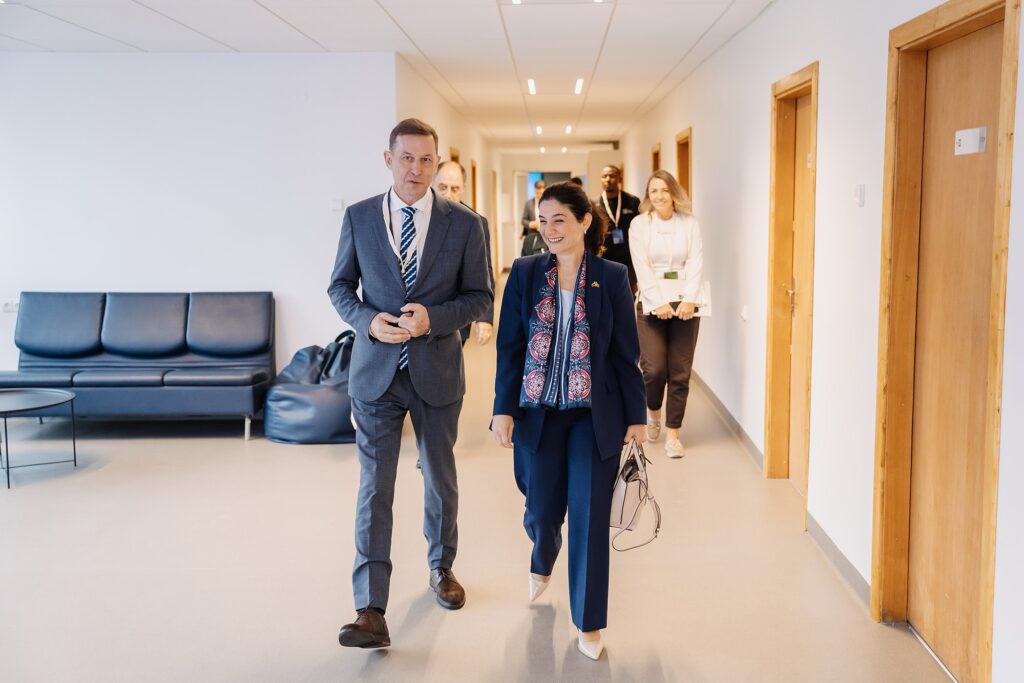
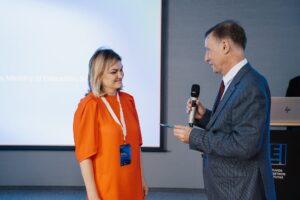
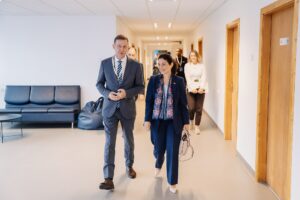
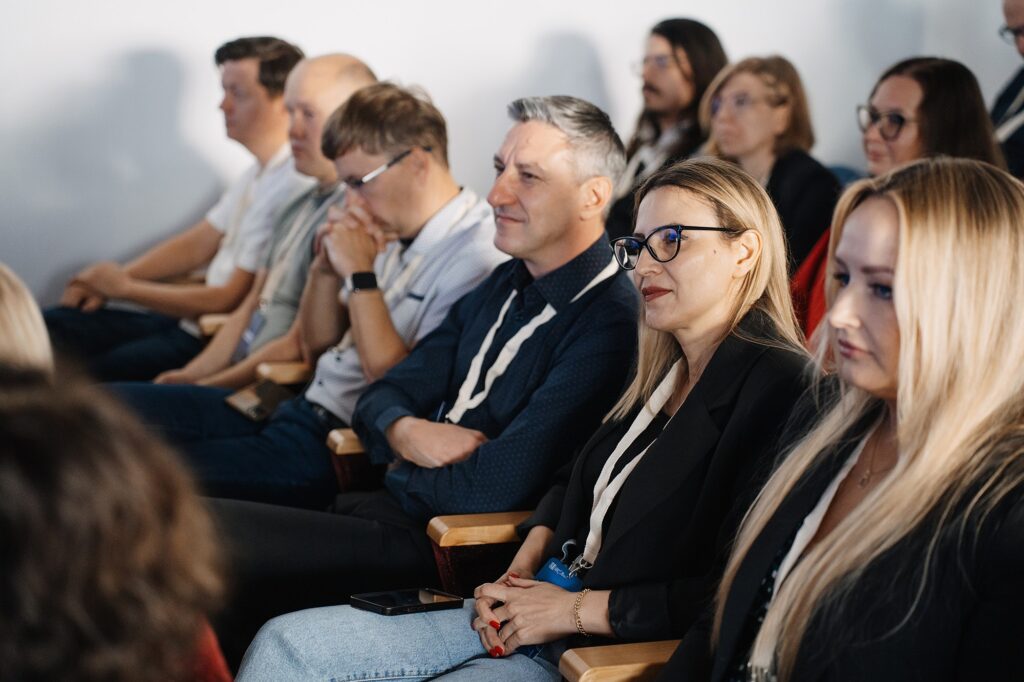
The conference participants and LEI were also congratulated by Karolina Štelmokaitė, Vice-Minister of Energy of the Republic of Lithuania, and Tadas Juknevičius, Head of the Science Division at the Ministry of Education, Science and Sport of the Republic of Lithuania.
In their remarks, they highlighted LEI’s significant contribution to Lithuanian science, its successful participation in international research projects, and its importance to the country’s wider research community, while wishing the Institute continued success in its future work.
The future of nuclear energy in Europe
The first day placed a strong focus on the future of nuclear energy, the prospects for fusion, energy security, and the energy landscape of Europe and the Baltic Sea region. Keynote presentations and discussions highlighted the importance of international cooperation and research in addressing long-term energy challenges.
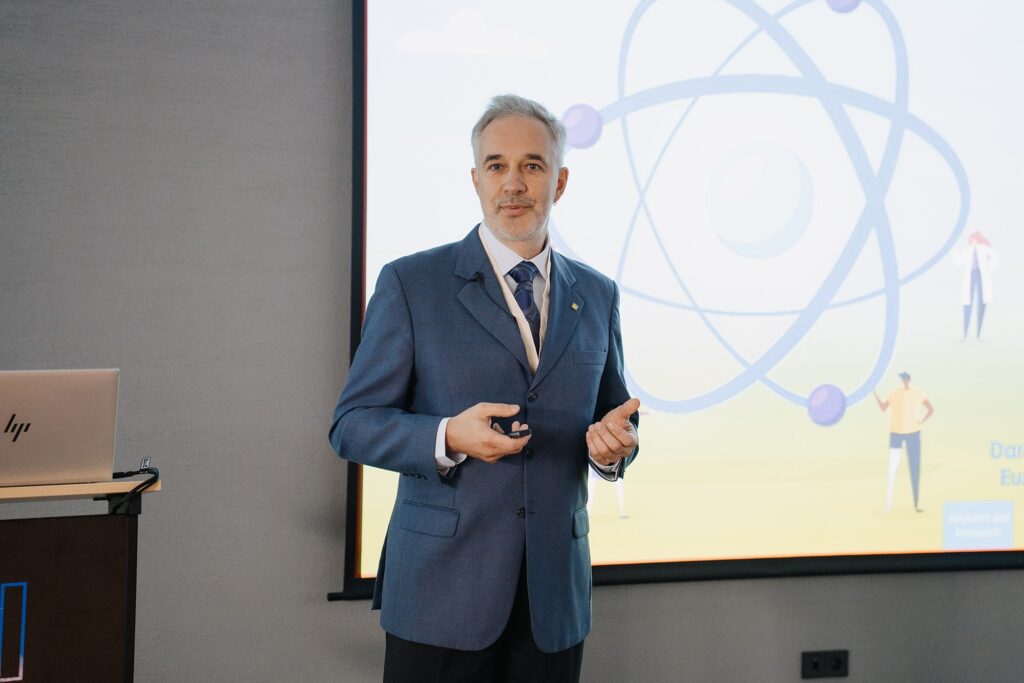
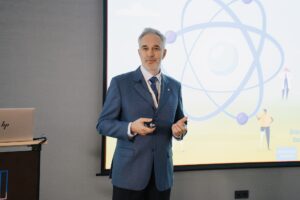
Dr. Darius Ancius, Policy Officer for International Cooperation at the European Commission, presented the EU’s approach to fusion energy and the importance of cooperation between research, industry and policymakers.
“Fusion gives Europe a unique chance to power the future with clean, near-limitless energy. With ITER, world-class research, and growing industrial strength, Europe already has the talent and supply chains to lead. Now we must unite bold innovation with strong collaboration across science, industry, and policy – and turn excellence into global industrial leadership,” he said.
Dr. Habil. Danas Ridikas, Head of the Physics Section at the International Atomic Energy Agency (IAEA), presented the role of nuclear science and applications in the energy sector, highlighting emerging nuclear technologies, research infrastructure, nuclear data, and capacity building for future nuclear energy programmes.
Kristina Rimkūnaitė, Subject Matter Expert at the NATO Energy Security Centre of Excellence (ENSECCOE), addressed the importance of critical energy infrastructure resilience, nuclear energy and innovation for strategic security.
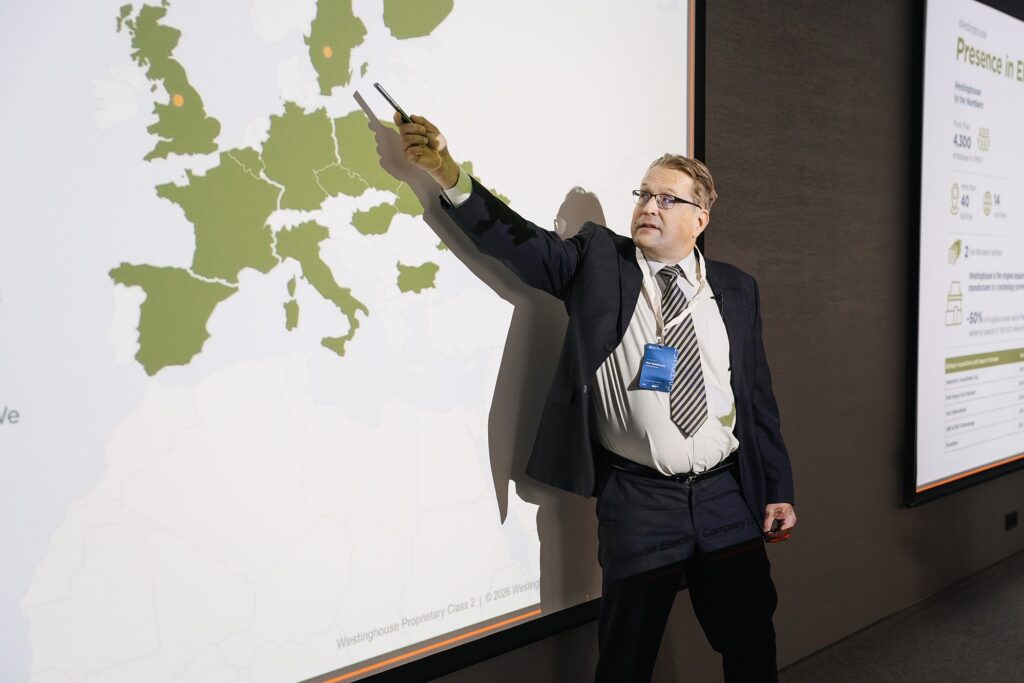
Kim Dahlbacka, Regional Account Director for Eastern and Northern Europe at Westinghouse, explored the potential of new nuclear technologies in the Baltic region.
“The next phase of the energy transition will be won not by ambition alone, but by the ability to deploy proven solutions at scale. In the Baltic region, where energy security and decarbonization go hand in hand, nuclear energy – when standardized and delivered with modern project approaches – offers a clear pathway forward. Yet the real enabler is collaboration between all the stakeholders in the Baltic region. This is how we move from discussion to delivery,” he said.
Dr. Gintautas Klevinskas, Head of Radioactive Waste Repositories at Altra, highlighted how experience gained through decommissioning Ignalina Nuclear Power Plant can support the development and deployment of new nuclear technologies.
Another important topic on the first day was the development of the next generation of energy professionals. Prof. Dr. Eugenijus Valatka, Rector of Kaunas University of Technology, presented the challenges and opportunities of competence-based education for energy engineers. Prof. Dr. Agnieszka Korgul, Professor at the Faculty of Physics at the University of Warsaw and President of the Polish Nuclear Society, discussed how Poland can prepare its future nuclear specialists.
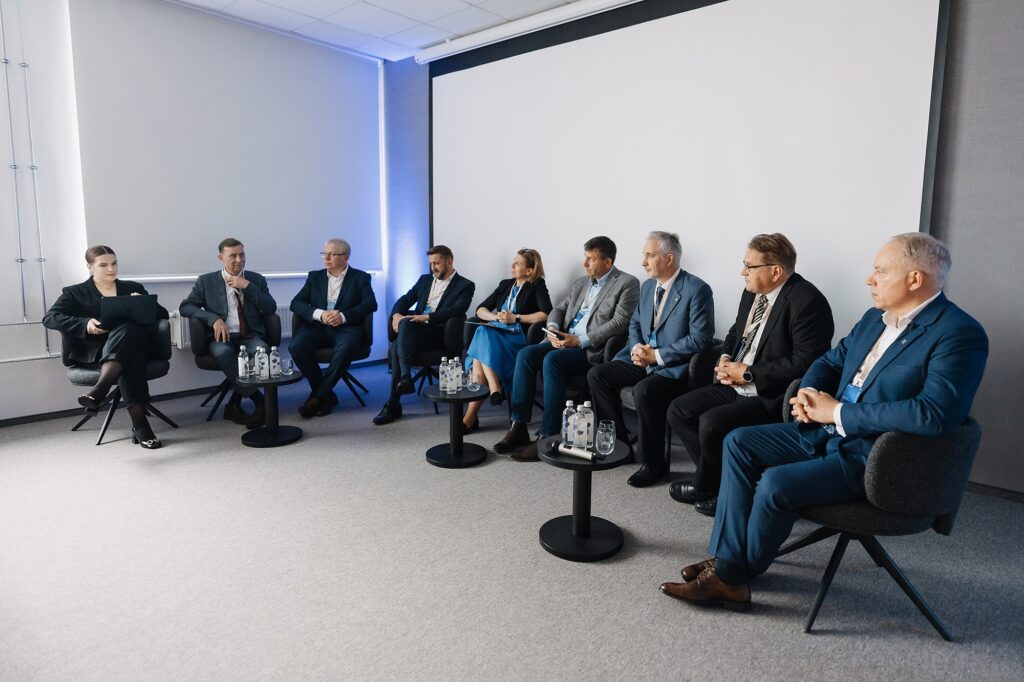
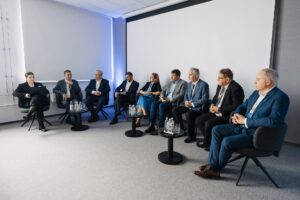
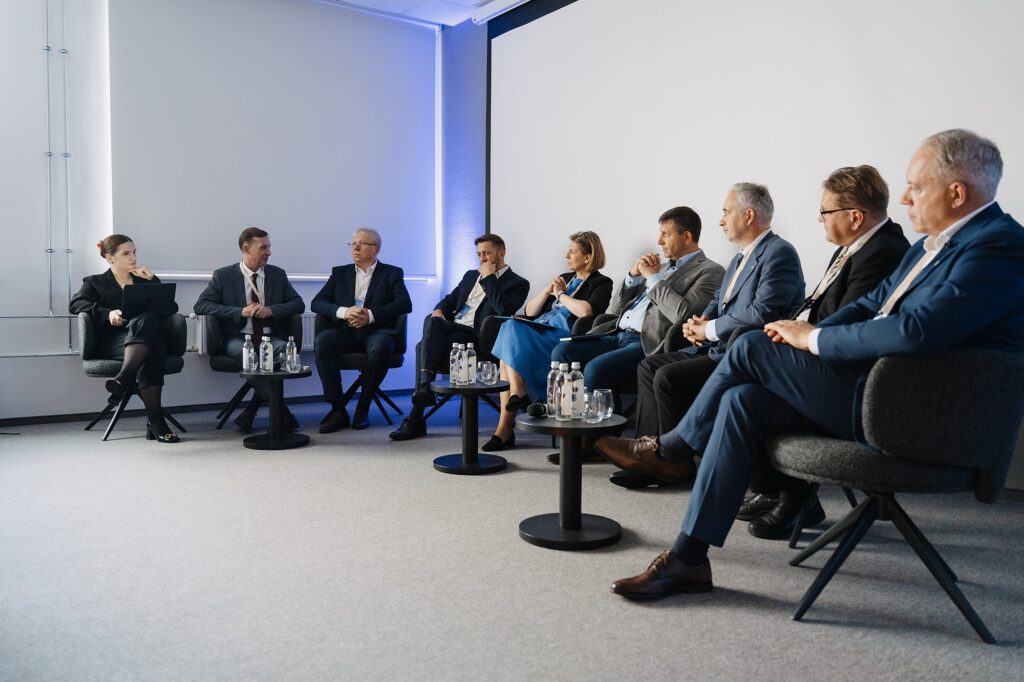
The day concluded with a panel discussion, “Energy Tomorrow: Strategic Choices for Europe and Role of Lithuania,” bringing together representatives of the European and Lithuanian energy sectors, academia and industry. The discussion explored Europe’s strategic energy choices, the role of nuclear energy, energy security and Lithuania’s position in a rapidly changing energy landscape.
From energy-system transformation to emerging technologies
The second day focused on some of the key processes driving the energy transition – changes in energy systems, electrification and emerging technologies. Keynote presentations and discussions explored how the changing energy sector will affect industry, energy consumption and the infrastructure of tomorrow.
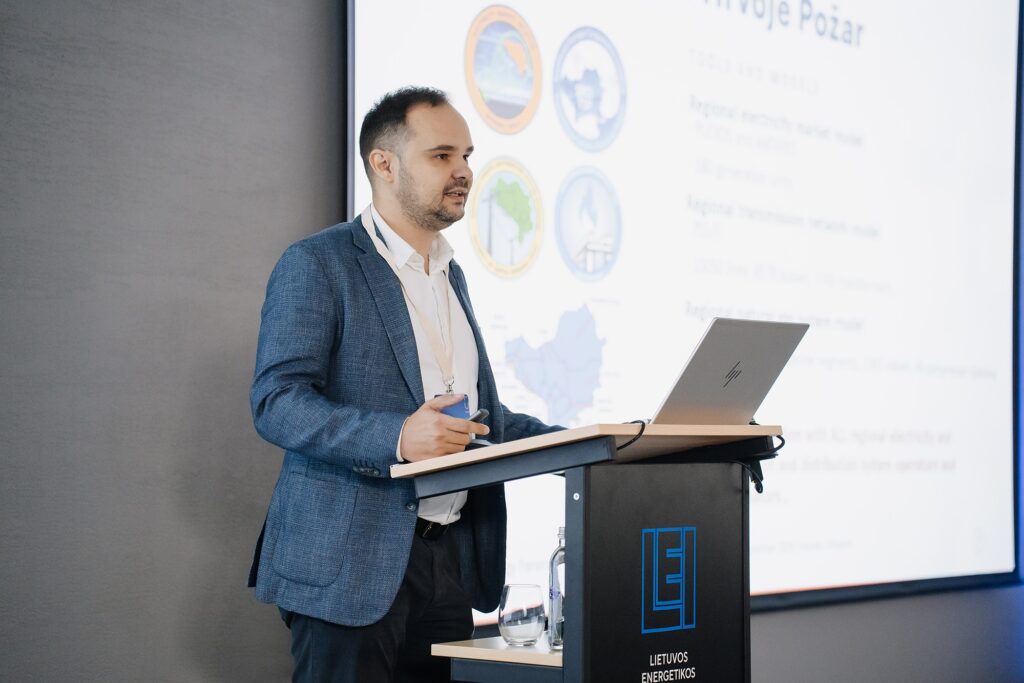
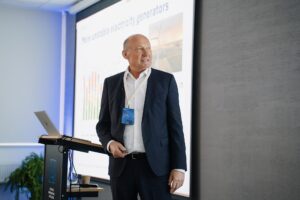
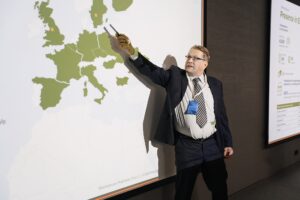
Dr. Dražen Balić, Head of the Department for Energy Generation and Energy Markets at the Energy Institute Hrvoje Požar, discussed the changing requirements for electricity systems and the evolution of energy markets, with a focus on renewable integration, flexibility, and energy storage.
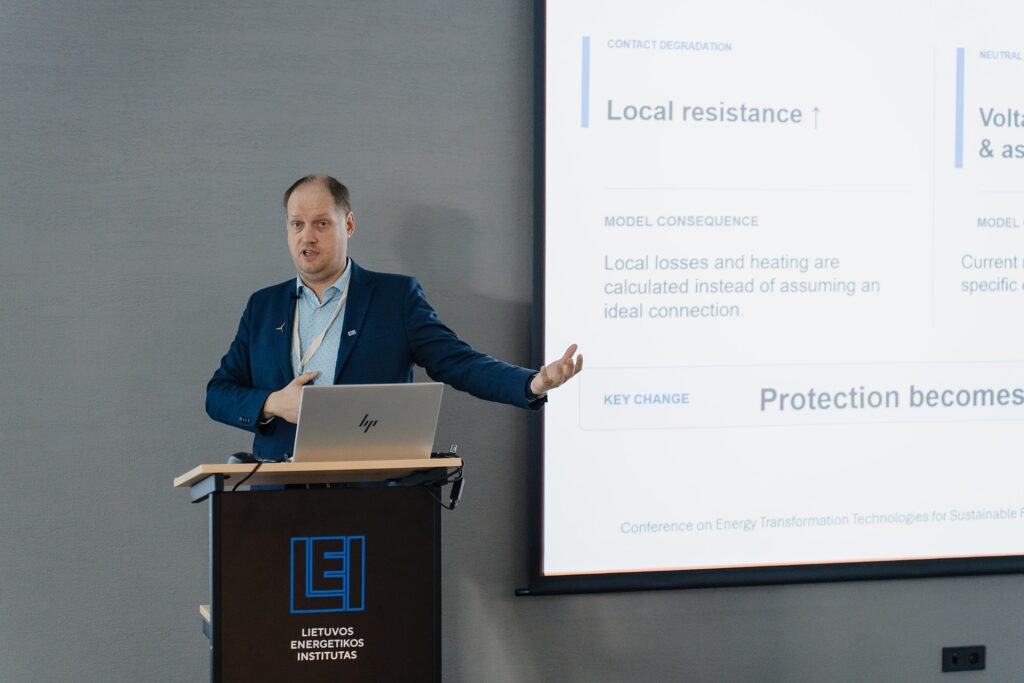
Prof. Dr. Ivo Palu of Tallinn University of Technology drew attention to a less visible aspect of the energy transition.
“Energy transformation is usually discussed through generation, storage, markets and policy – but one of its most critical safety layers remains hidden inside buildings. Changing electricity use, ageing electrical installations, degraded contacts and invisible thermal stress can become reliability, fire-safety and social welfare risks before they are noticed by conventional protection or monitoring systems,” he noted.
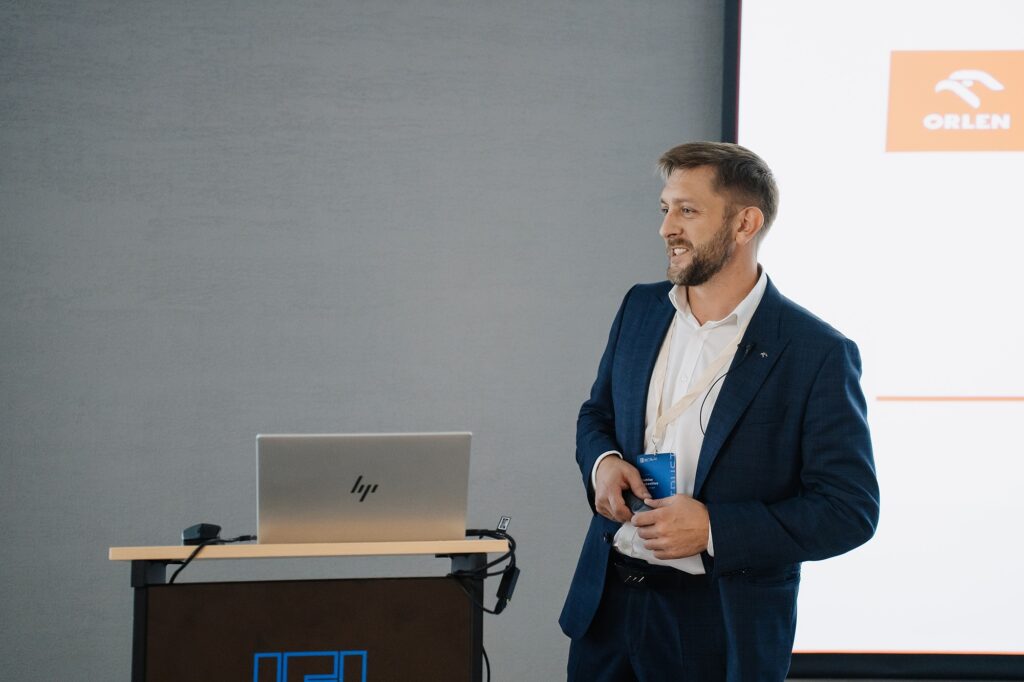
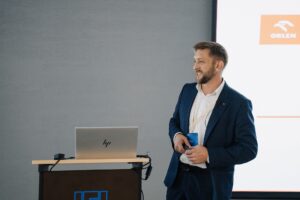
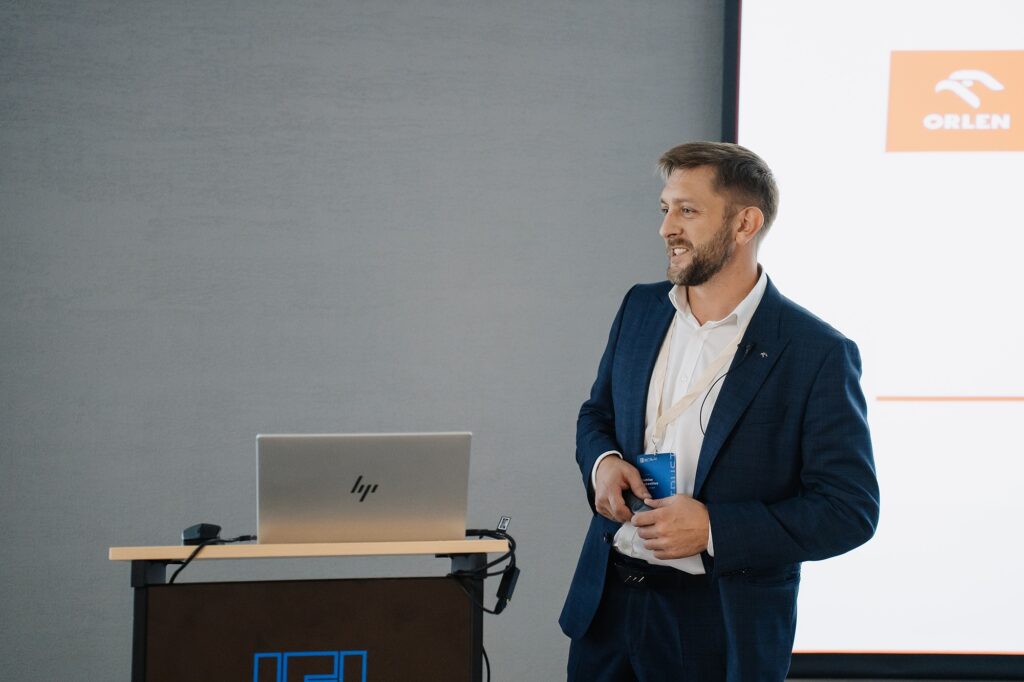
Giedrius Dapkevičius, Energy Director at ORLEN Lietuva, discussed the role of industry in the energy transition and its shift from energy consumer to energy system partner.
“Industrial transformation is already underway, with electrification becoming one of its main drivers. Growing energy demand, decarbonization targets, technological progress, and energy security challenges are reshaping the traditional role of industry – from a passive energy consumer to an active participant in the energy system, integrating renewable energy, flexibility, and new technologies,“ he emphasised.
Dr. Valdas Lukoševičius, President of the Lithuanian District Heating Association (LDHA), addressed the role of district heating in the future energy system.
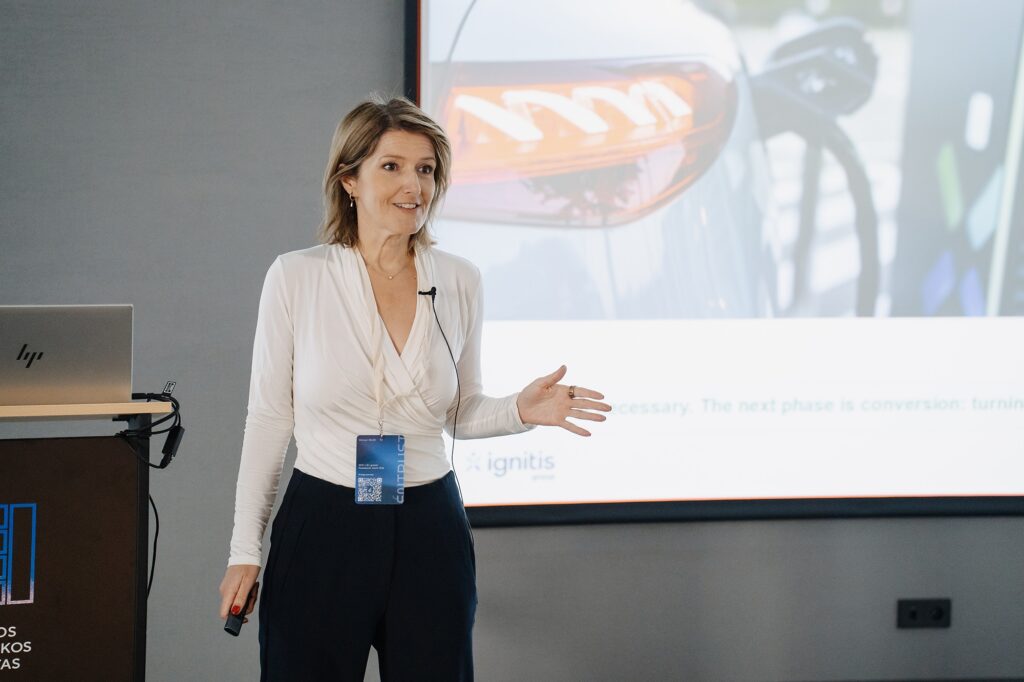
Anu Eslas, Head of European and Baltic Affairs at Ignitis Group and CEO of Ignitis Data Center Solutions, highlighted the growing importance of electricity for Europe’s competitiveness.
“The winners of the next decade will not simply generate green electricity; they will build the ecosystems that allow clean energy to power sustainable economic growth,” she said.
The second day also featured a panel discussion, “Smart Metering and Energy Monitoring in Power Systems – Innovations and Research Directions.” Experts from the energy, technology and research sectors discussed the current state and future of smart metering and energy monitoring, with particular attention to artificial intelligence, the Internet of Things and advanced communication technologies, as well as their potential to create more efficient and flexible energy systems.
Technologies for a sustainable energy future
The third day focused primarily on energy transformation technologies, sustainable solutions and research across a range of energy-related fields. Keynote presentations explored technological innovations that can help reduce energy consumption and emissions, integrate different energy solutions and address some of the most complex challenges of decarbonisation.
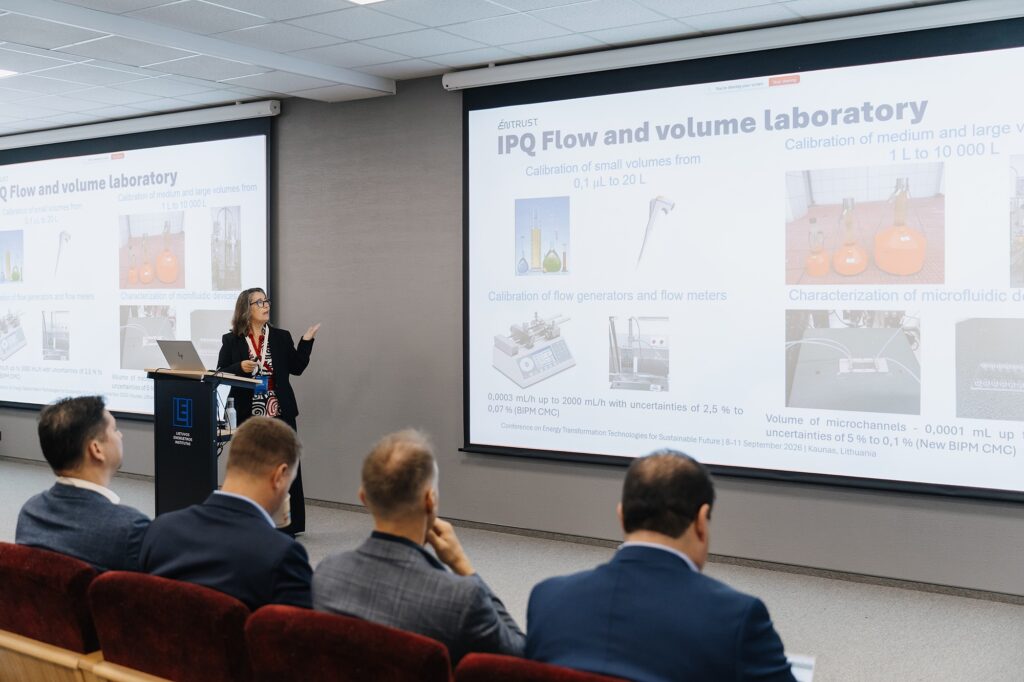
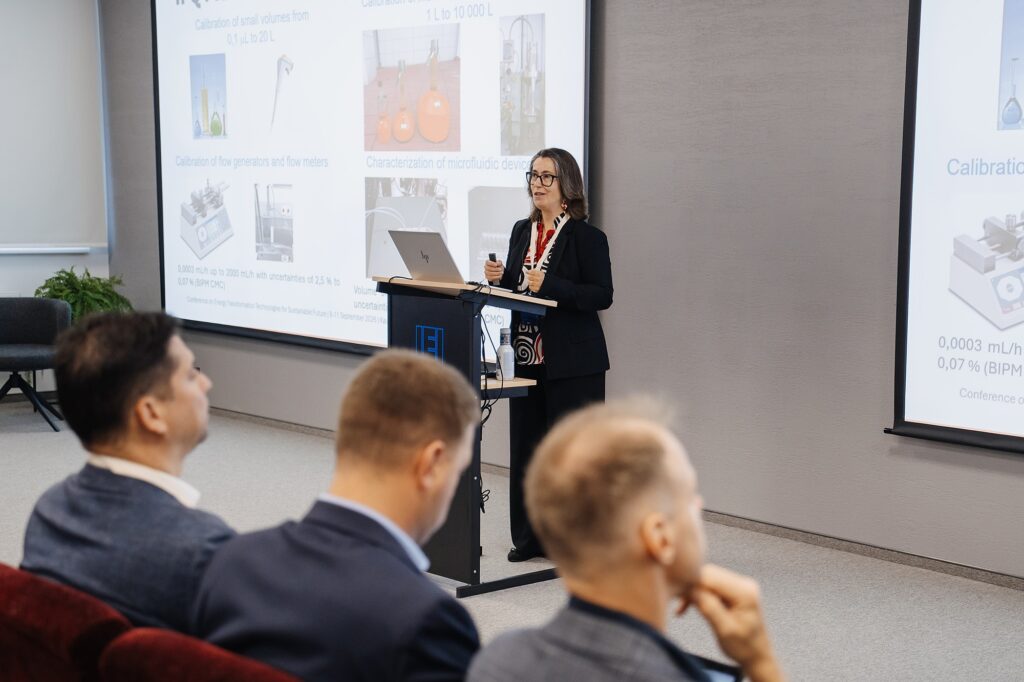
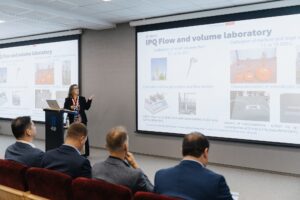
Dr. Elsa Batista, Head of the Volume and Flow Laboratory at the Portuguese Institute for Quality, explored advances in microfluidic measurement technologies and their potential to improve energy efficiency.
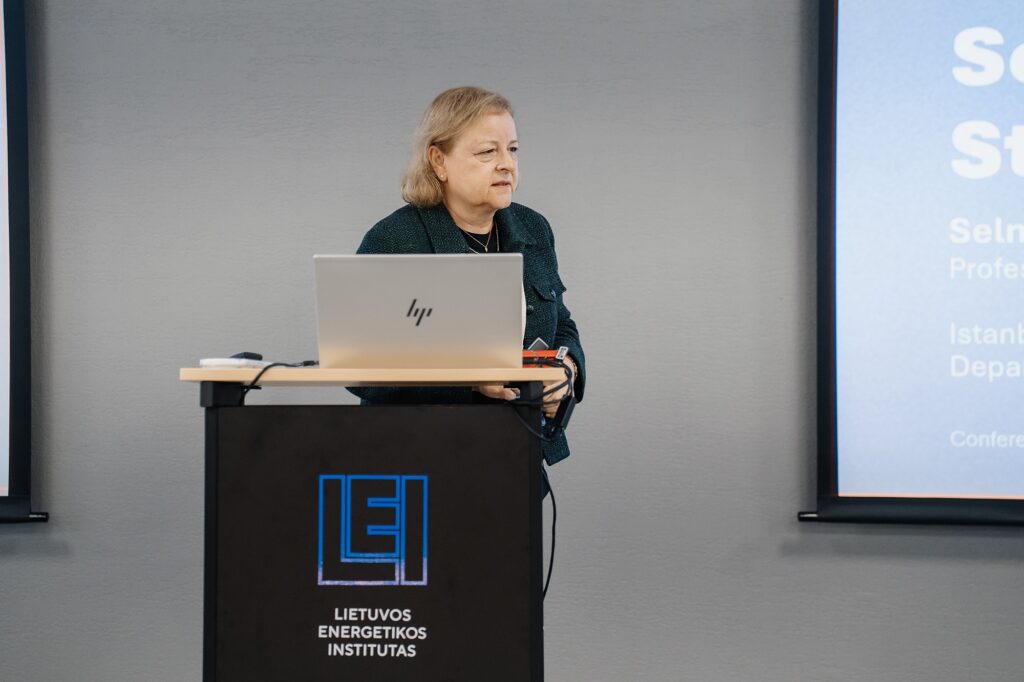
Prof. Dr. Selma Ergin, Head of the Department of Naval Architecture and Marine Engineering at Istanbul Technical University, addressed maritime decarbonisation, focusing on solvent-based carbon capture and storage systems for ships.
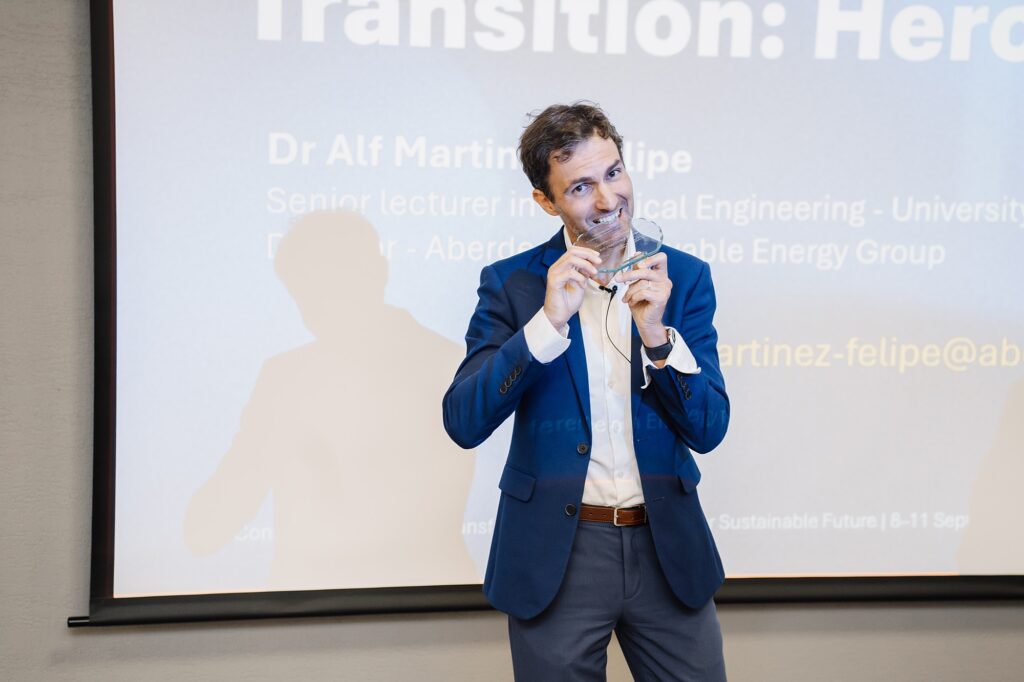
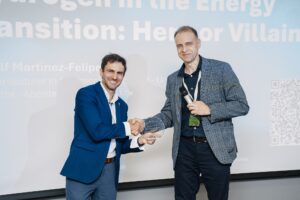
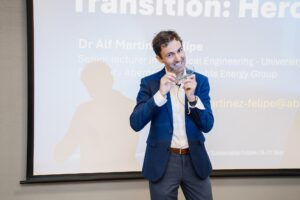
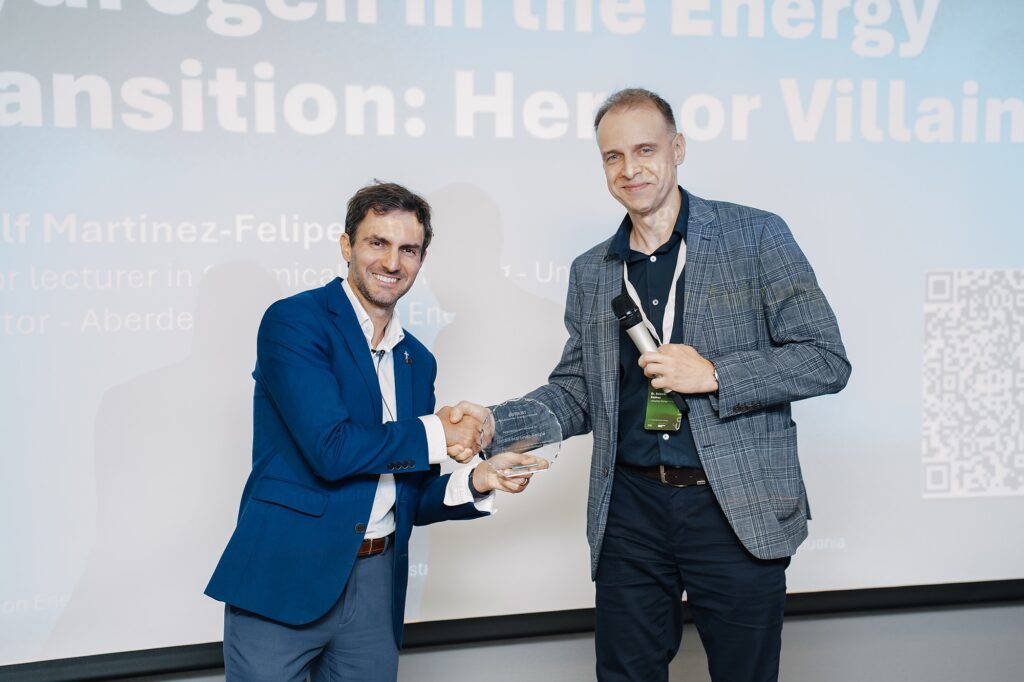
Dr. Alf Martinez-Felipe, Senior Lecturer in Chemical Engineering at the University of Aberdeen, explored the role of hydrogen in the energy transition and its potential benefits and challenges.
“The energy transition is probably the biggest opportunity and challenge that we face as a civilisation. It is deadly urgent but at the same time its perception by society can be easily distorted by other socio-economic and geopolitical events, delaying its implementation. This is why education and demonstration are key to make sure that governments work closely with the private sector and innovators,“ he said.
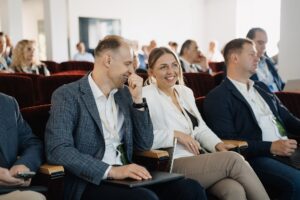
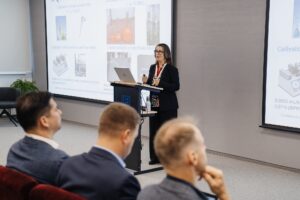
The conference programme also featured seven thematic sessions. Researchers presented their latest findings, ongoing work and emerging research directions. The sessions provided opportunities for both early-career and experienced scientists to share their work, establish new professional connections and exchange ideas with colleagues from different countries.
The fourth and final day concluded the conference with reflections on the event and informal conversations during a barbecue in the LEI courtyard.
A dialogue connecting different fields
The conference discussions were brought to life by science journalist Goda Raibytė-Aleksa and energy expert Daivis Virbickas, who moderated the sessions. By engaging speakers and participants in open dialogue and asking thought-provoking questions, they helped spark meaningful conversations about today’s key energy challenges and the solutions of tomorrow.
The first ENTRUST conference provided an opportunity not only to discuss pressing energy challenges and emerging technologies, but also to bring together experts from different disciplines and sectors for a shared dialogue. The connections established and discussions initiated during the event will lay the foundation for new research collaborations, partnerships and joint projects.
The conference was an important part of the programme marking the 70th anniversary of the Lithuanian Energy Institute, celebrating seven decades of LEI’s contribution to energy research, innovation and technological development.
The second ENTRUST conference will take place on 11–14 May 2027. The conference is included in the calendar of events for Lithuania’s Presidency of the Council of the European Union in 2027.