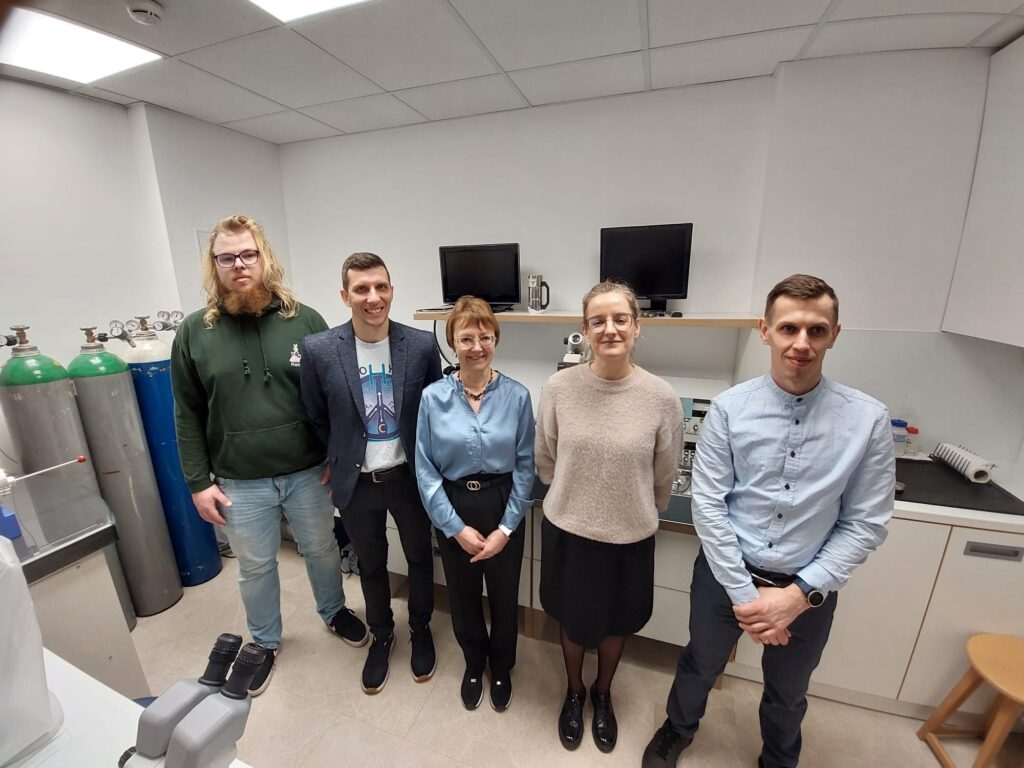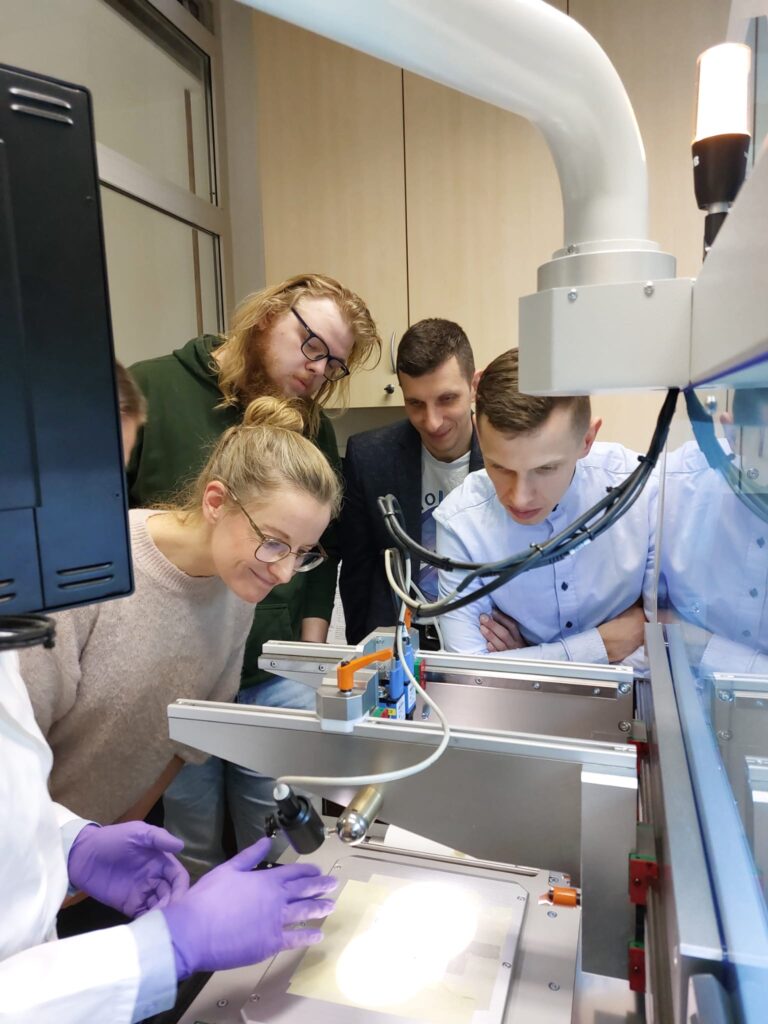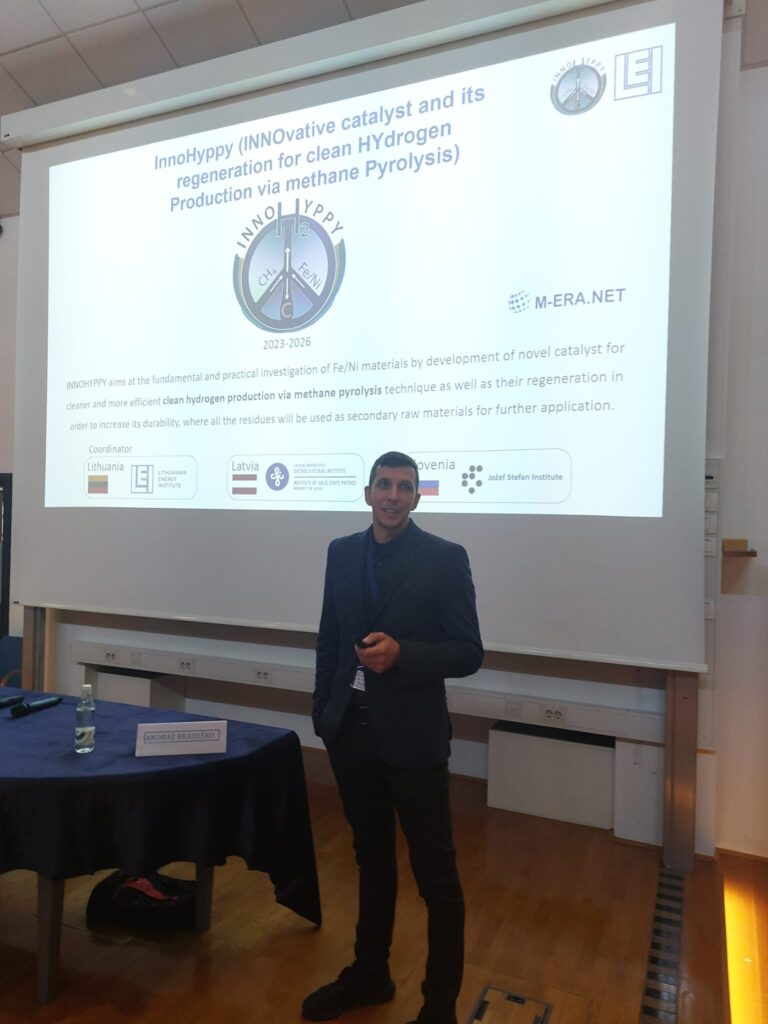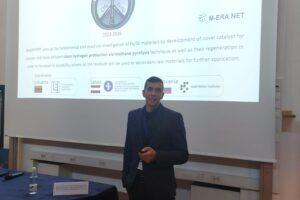


An international research project coordinated by the Hydrogen Energy Technology Centre at the Lithuanian Energy Institute (LEI), InnoHyppy, has been recognised as a success story by the M-ERA.NET programme. In the programme’s history, spanning more than a decade, this is only the second project coordinated by a Lithuanian team to receive this recognition.
M-ERA.NET is a network of international funding organisations that supports research into advanced materials and promotes international scientific collaboration. Over its 14 years of operation, the programme has funded more than 500 projects, of which only 25 have been selected as success stories. Among them is InnoHyppy, coordinated by LEI researchers, whose findings are helping advance more sustainable hydrogen production technologies.
From Aluminium Waste to Cleaner Hydrogen
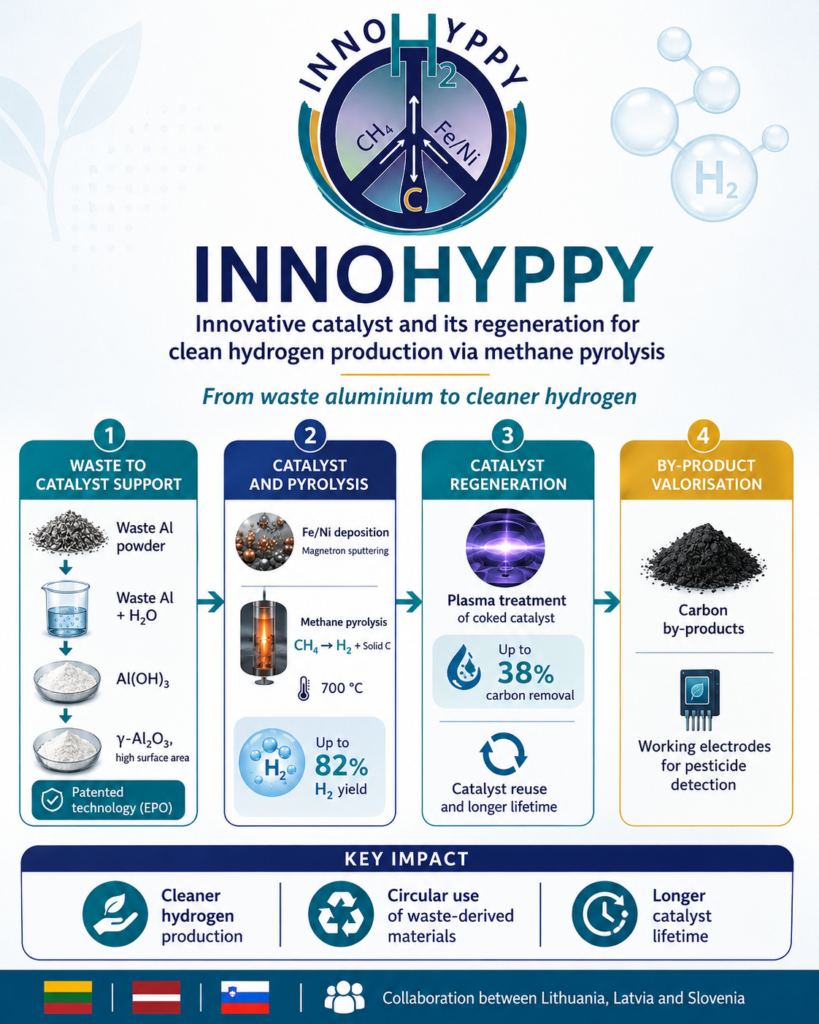
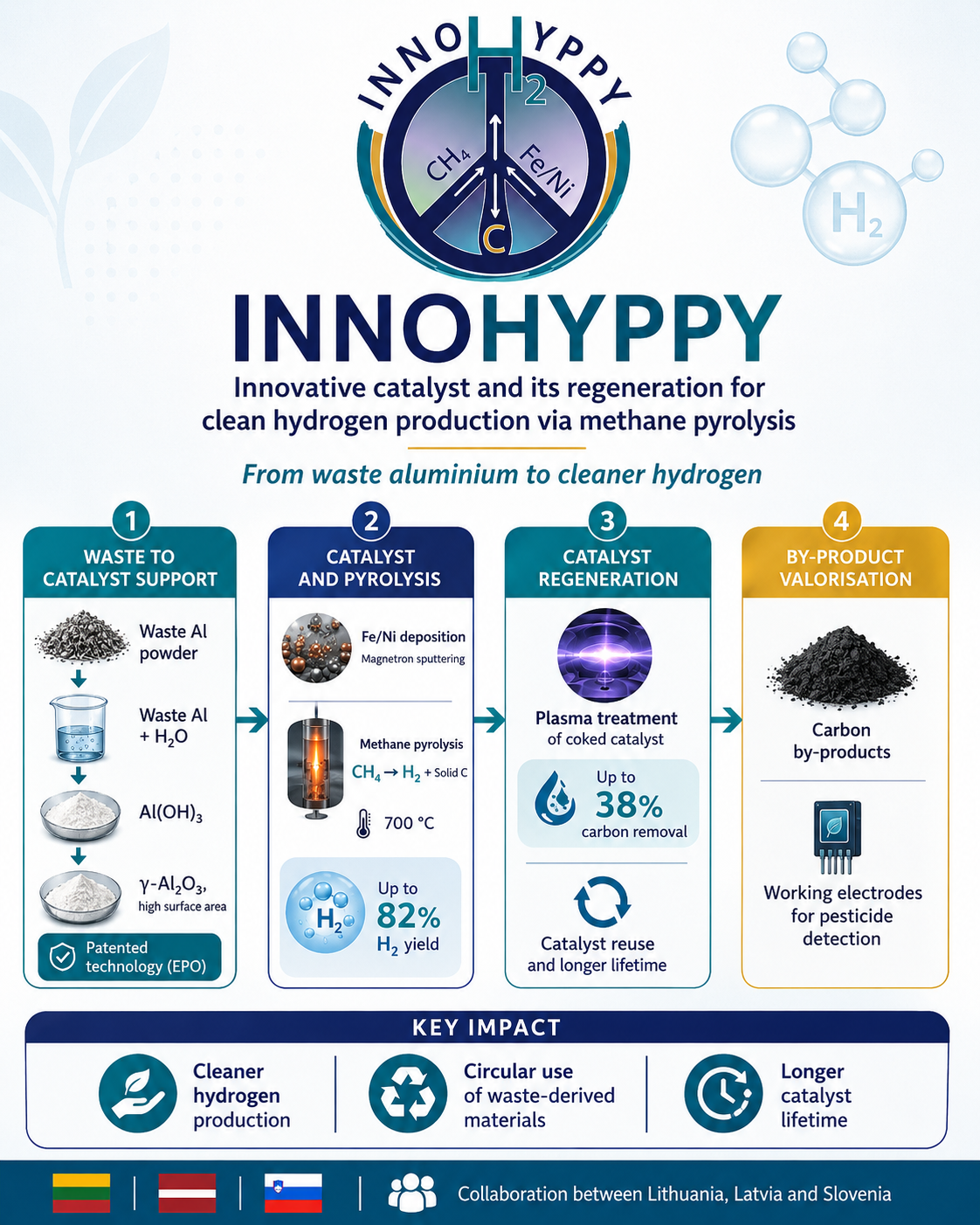
Researchers from Lithuania, Latvia and Slovenia joined forces in the project to develop more efficient catalysts and catalyst regeneration methods for cleaner hydrogen production through methane pyrolysis. The team explored ways to repurpose aluminium waste, extend catalyst lifetimes and find valuable applications for by-products generated during the process.
The researchers developed an iron (Fe)- and nickel (Ni)-based catalyst. Iron provides stability and durability, while nickel nanoclusters enhance catalytic activity. This system improved methane conversion efficiency at lower temperatures, achieving a hydrogen yield of up to 82% at a reaction temperature of 700 °C. This is an important step towards more efficient hydrogen production, as achieving high process efficiency at lower temperatures could reduce energy demand and the associated environmental impact.
The catalysts were supported on high-purity gamma-alumina (γ-Al₂O₃), produced through the hydrolysis of aluminium waste. This approach offers a way to turn waste into a valuable raw material, helping to improve resource efficiency. As hydrogen is also released during hydrolysis, the project laid the groundwork for a dual hydrogen generation system.
Solutions for More Sustainable Energy
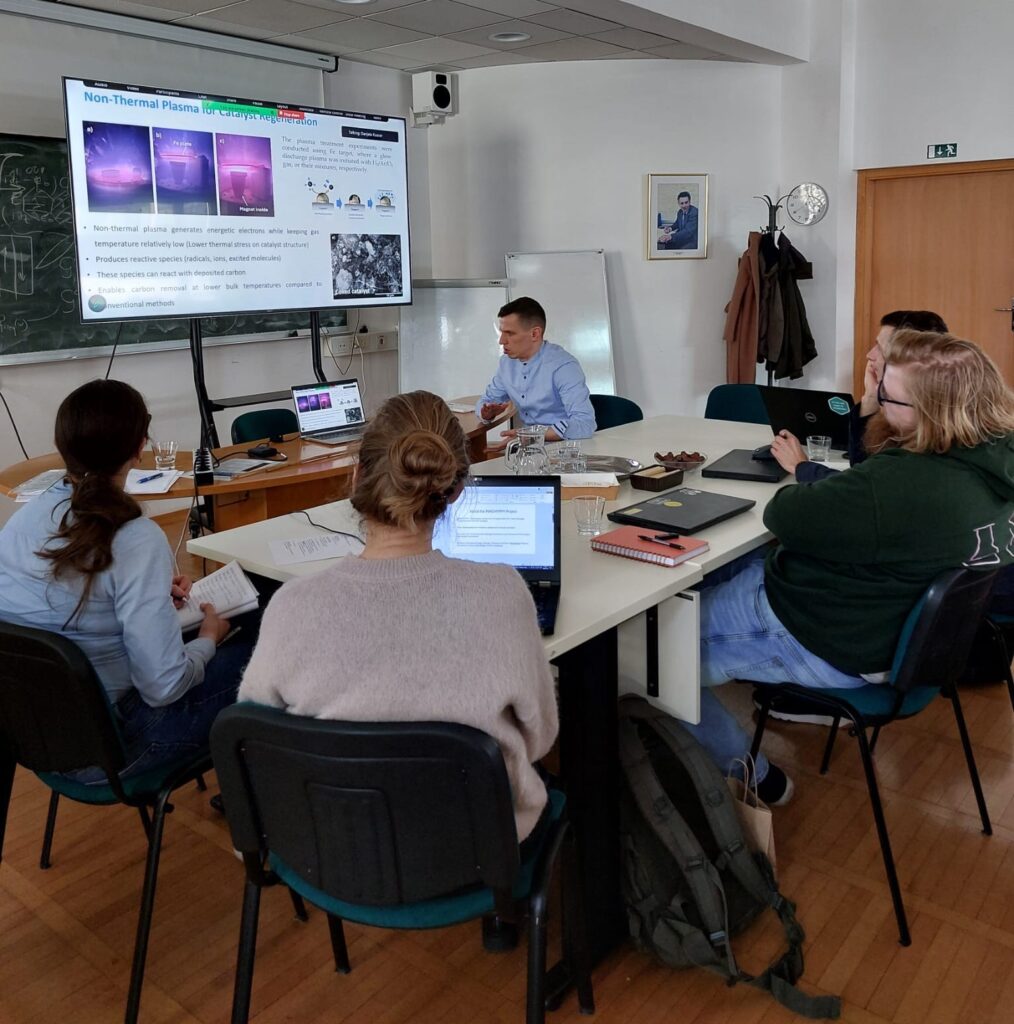
An important part of the project focused on regenerating spent catalysts. During methane pyrolysis, carbon accumulates on the catalyst surface, reducing its effectiveness. To address this, the researchers tested a plasma-based regeneration method, which successfully removed up to 38% of the accumulated carbon. The findings point to opportunities for reusing catalysts and extending their operational lifetimes.
The team also investigated potential uses for the carbon produced during the process. The research showed that this material could be used to fabricate working electrodes suitable for pesticide detection.
The project therefore explored not only how to make hydrogen production more efficient, but also how to reduce waste by turning by-products into materials with potential added value.
International Recognition
The project’s findings have been published in nine scientific papers, and the research has led to the granting of a Lithuanian national patent. The results have also been presented at 15 scientific conferences. In addition, the project has been featured in radio programmes, interviews and lectures for both students and the wider public.
The InnoHyppy results laid the foundation for an integrated hydrogen production concept combining two processes: using aluminium waste to produce catalyst support material and generating hydrogen through methane pyrolysis. This approach opens opportunities to reduce reliance on critical raw materials, lower the carbon footprint and promote circular material use.
The project’s international recognition creates new opportunities to further develop the solutions and strengthen scientific collaboration between Lithuania, Latvia and Slovenia. It marks an important step towards advancing innovative hydrogen technologies and contributing to a more sustainable energy future.