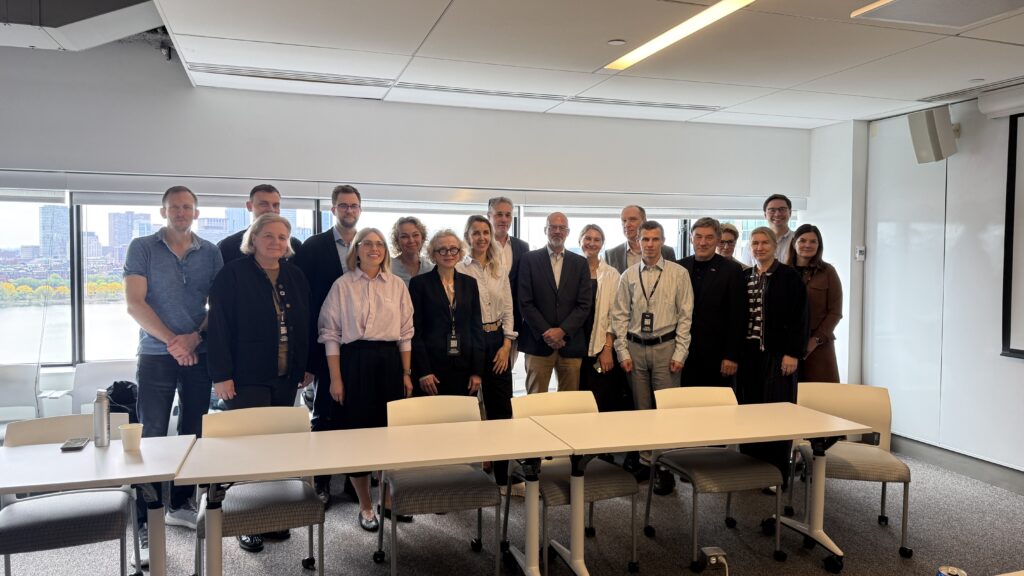
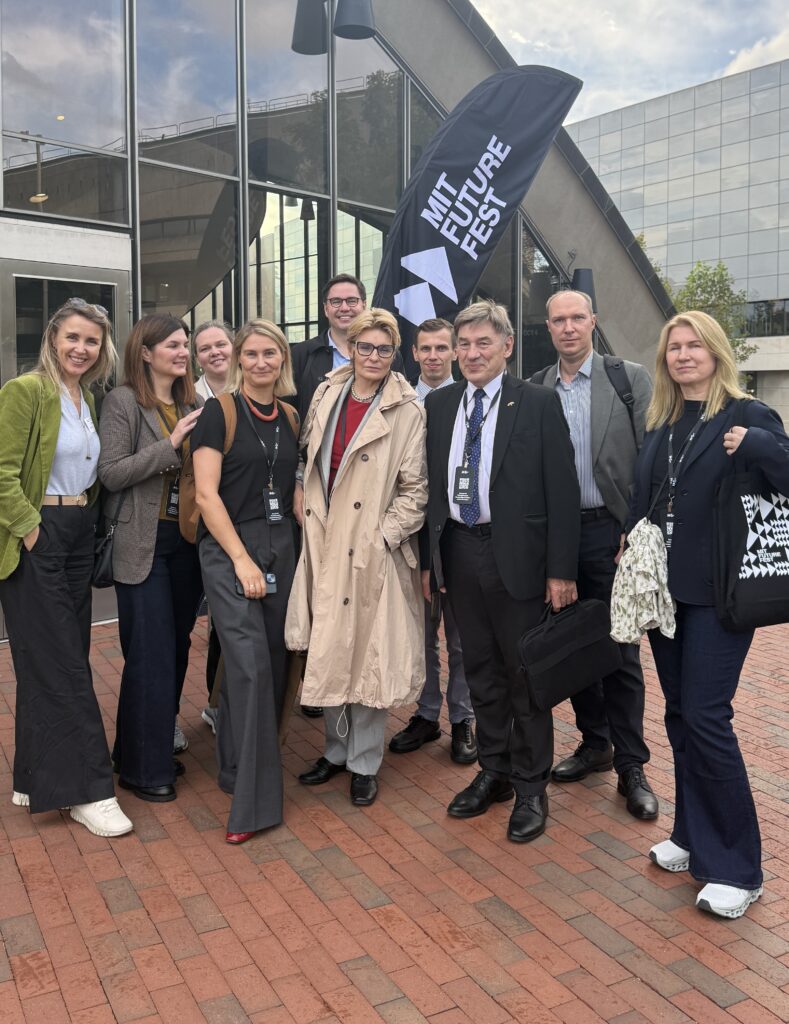
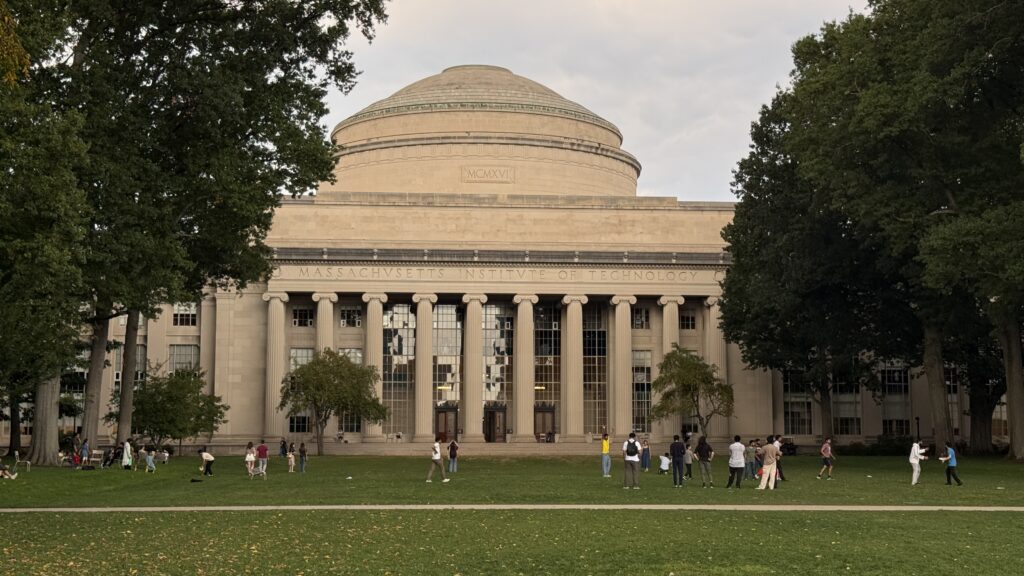
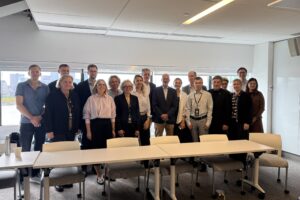
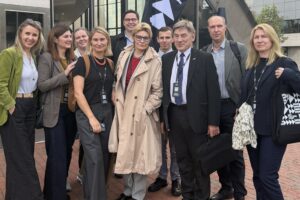
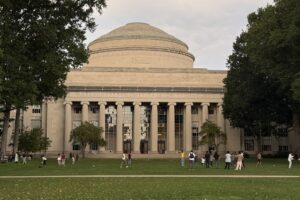
September 30–October 6, a Lithuanian delegation visited the Massachusetts Institute of Technology (MIT) in the United States. More than 20 representatives from Lithuanian universities, research institutes, and companies took part in the visit. Among the participants was Dr. Marius Urbonavičius, Senior Research Associate at the Center for Hydrogen Energy Technologies of the Lithuanian Energy Institute (LEI).
MIT–Lithuania Cooperation: From Research to Joint Projects
The visit was organized by the Lithuanian Consortium for Engagement with MIT, which brings together the country’s universities, research institutes, and business community to foster partnerships with the Massachusetts Institute of Technology.
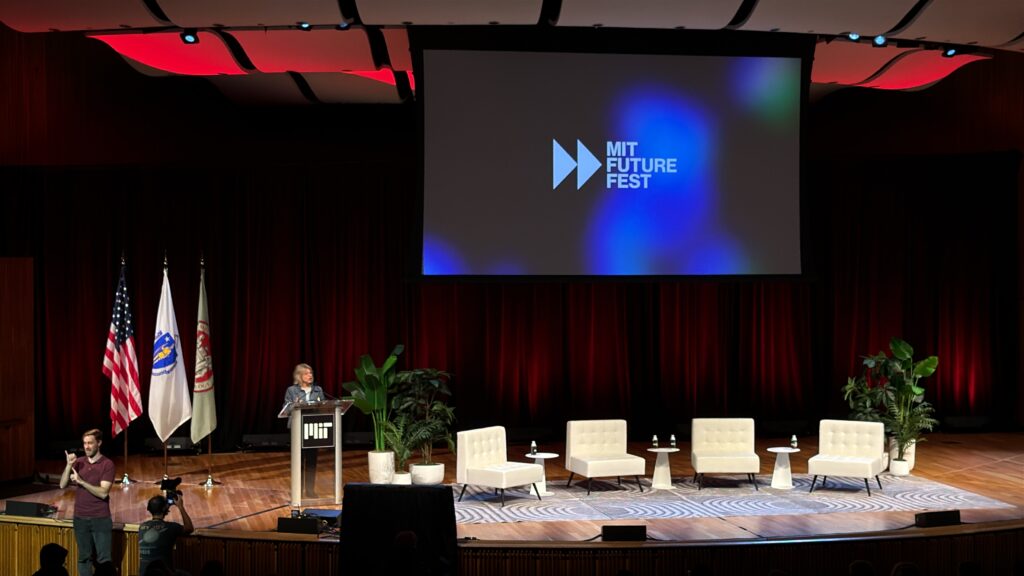
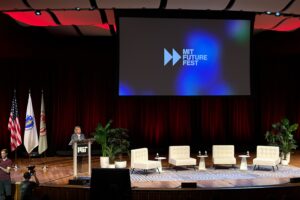
During the visit, delegation members attended sessions at MIT Future Fest, a festival celebrating science, technology, art, and design, and took part in exhibitions and meetings. They also met with representatives of MIT’s Technology Licensing Office (TLO), the Industrial Liaison Program, and Startup Exchange.
During a visit to the MIT Plasma Science and Fusion Center, the delegation gained first-hand insight into nuclear fusion research. At MIT.nano, they were also given a private viewing of Amphibian Drift, an installation created by Lithuanian artists Gediminas and Nomeda Urbonas in collaboration with MIT Professor Markus J. Buehler.
On October 5, the MISTI Lithuania Conference was held at the MIT Media Lab, bringing together around 60 participants from Lithuania, MIT, and the Lithuanian-American community. The program included workshops on MIT–Lithuania collaboration, a networking lunch focused on opportunities for future joint projects, and a discussion with Lithuania’s Ambassador to the United States, Gediminas Varvuolis.
Representatives of MIT and the Lithuanian diaspora were also introduced to three Lithuanian living labs (LLs), which focus on life sciences, advanced manufacturing, and energy transmission.
New Insights and Ideas
According to Dr. Marius Urbonavičius, Senior Research Associate at LEI’s Center for Hydrogen Energy Technologies, the visit offered an excellent opportunity to gain a closer look at the research and innovation taking place at one of the world’s leading technology institutes.
‘The high level of research in biotechnology was particularly impressive. I was also struck by our visits to MIT.nano and the Plasma Science and Fusion Center, where we had the opportunity to explore advanced analytical equipment, learn about the latest research, and see how fusion technologies are being developed. We were also given a brief introduction to Commonwealth Fusion Systems, a company founded within the MIT ecosystem that aims to commercialize fusion technology,’ he said.
Dr. Urbonavičius added that discussions on the future of energy, the development of emerging technologies, and their practical applications were equally valuable. He noted that MIT places considerable emphasis on applying artificial intelligence to research and technology development to streamline research processes, save time, and support decision-making.
‘Visits like this not only provide fresh ideas but also create opportunities to connect directly with researchers and explore potential areas for collaboration,’ he said.
Next Steps: MIT Representatives to Visit Lithuania
Cooperation between Lithuania and MIT will continue in Lithuania. On October 21, MIT leaders and researchers will take part in the Lithuania–US Science and Innovation Forum.
One of the forum’s keynote speakers will be MIT Professor Markus J. Buehler, a member of the US National Academy of Engineering and the Jerry McAfee Professor in Engineering at MIT.He will deliver a keynote address and participate in a discussion.
The Lithuanian delegation’s visit to MIT, followed by the planned visit of MIT representatives to Lithuania later in October, forms part of ongoing efforts to strengthen ties between Lithuania and MIT in science, technology, and innovation.
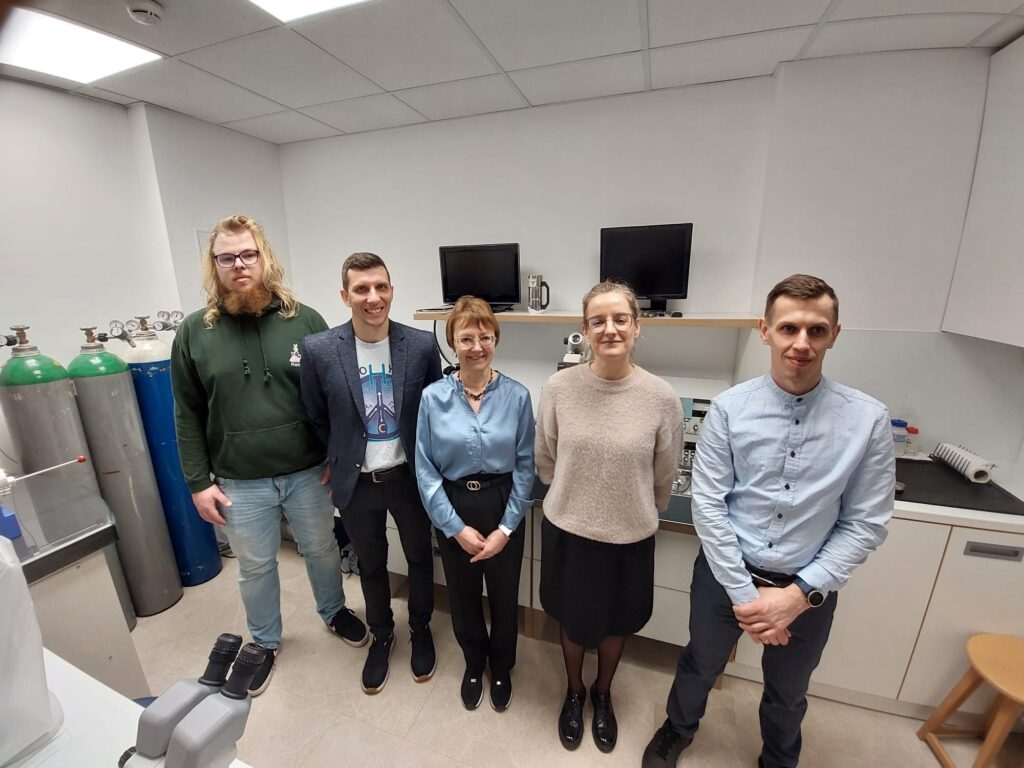
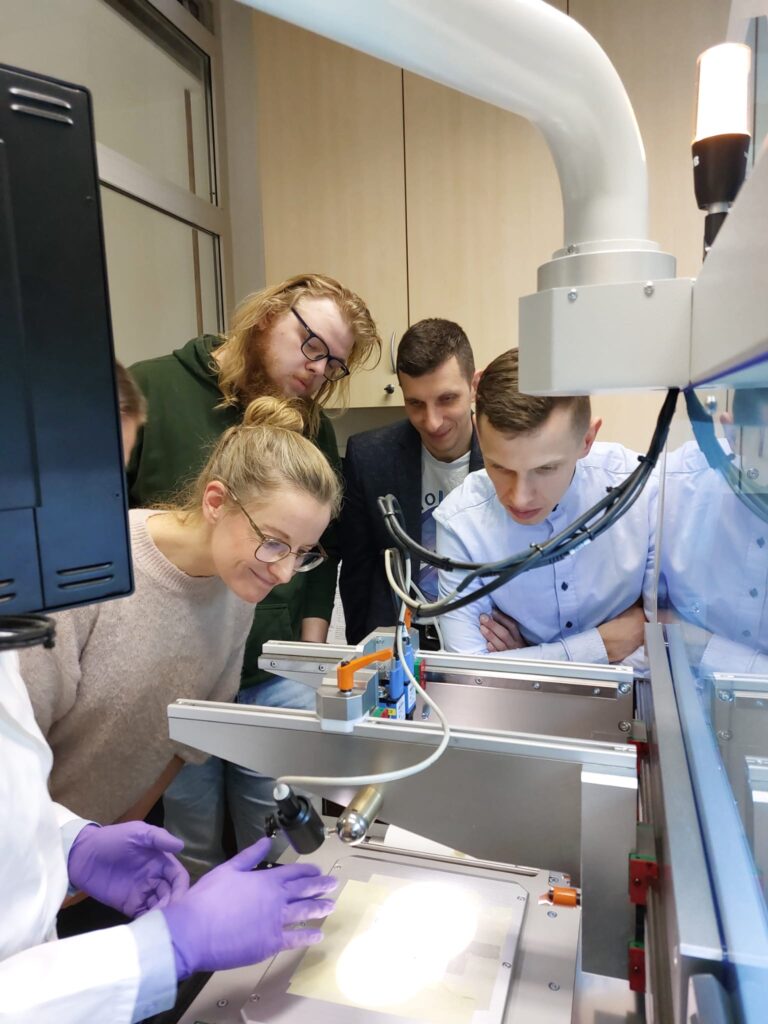
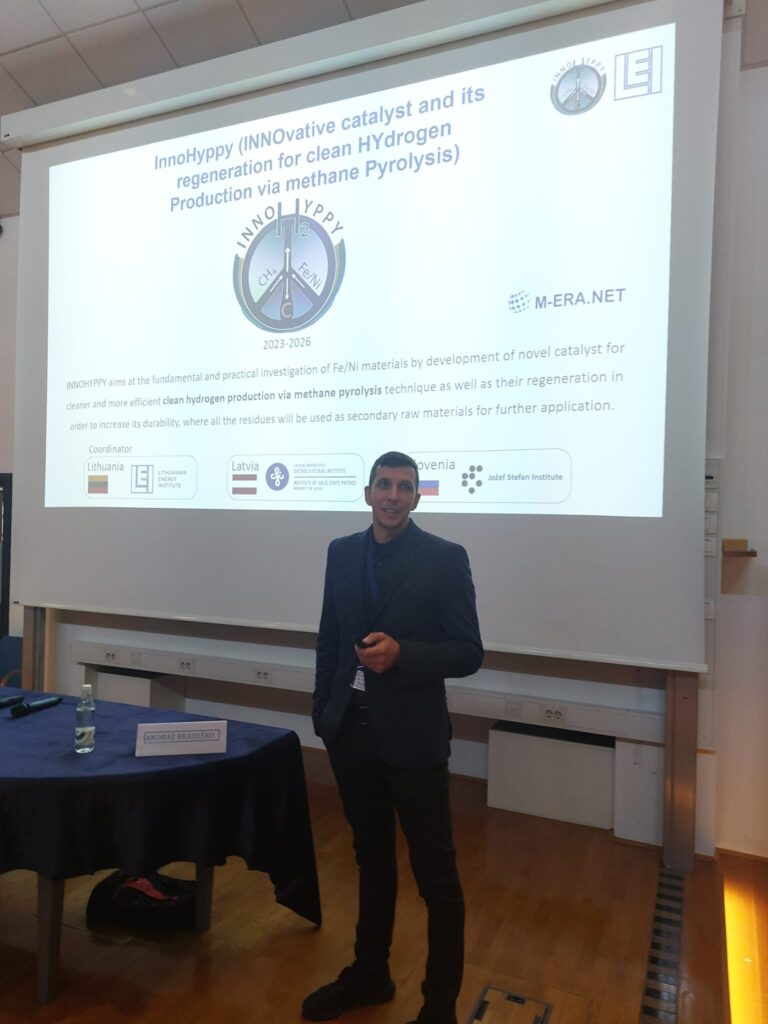
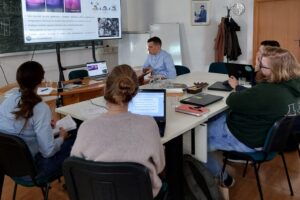
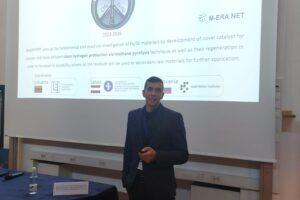
An international research project coordinated by the Hydrogen Energy Technology Centre at the Lithuanian Energy Institute (LEI), InnoHyppy, has been recognised as a success story by the M-ERA.NET programme. In the programme’s history, spanning more than a decade, this is only the second project coordinated by a Lithuanian team to receive this recognition.
M-ERA.NET is a network of international funding organisations that supports research into advanced materials and promotes international scientific collaboration. Over its 14 years of operation, the programme has funded more than 500 projects, of which only 25 have been selected as success stories. Among them is InnoHyppy, coordinated by LEI researchers, whose findings are helping advance more sustainable hydrogen production technologies.
From Aluminium Waste to Cleaner Hydrogen
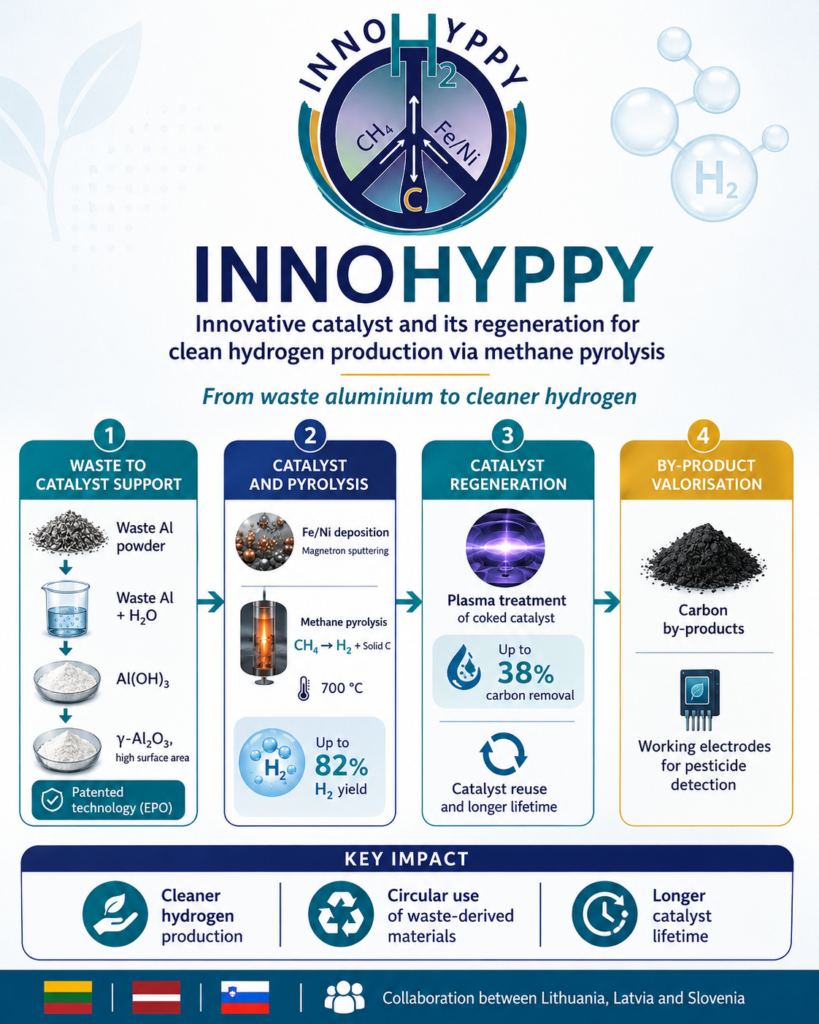
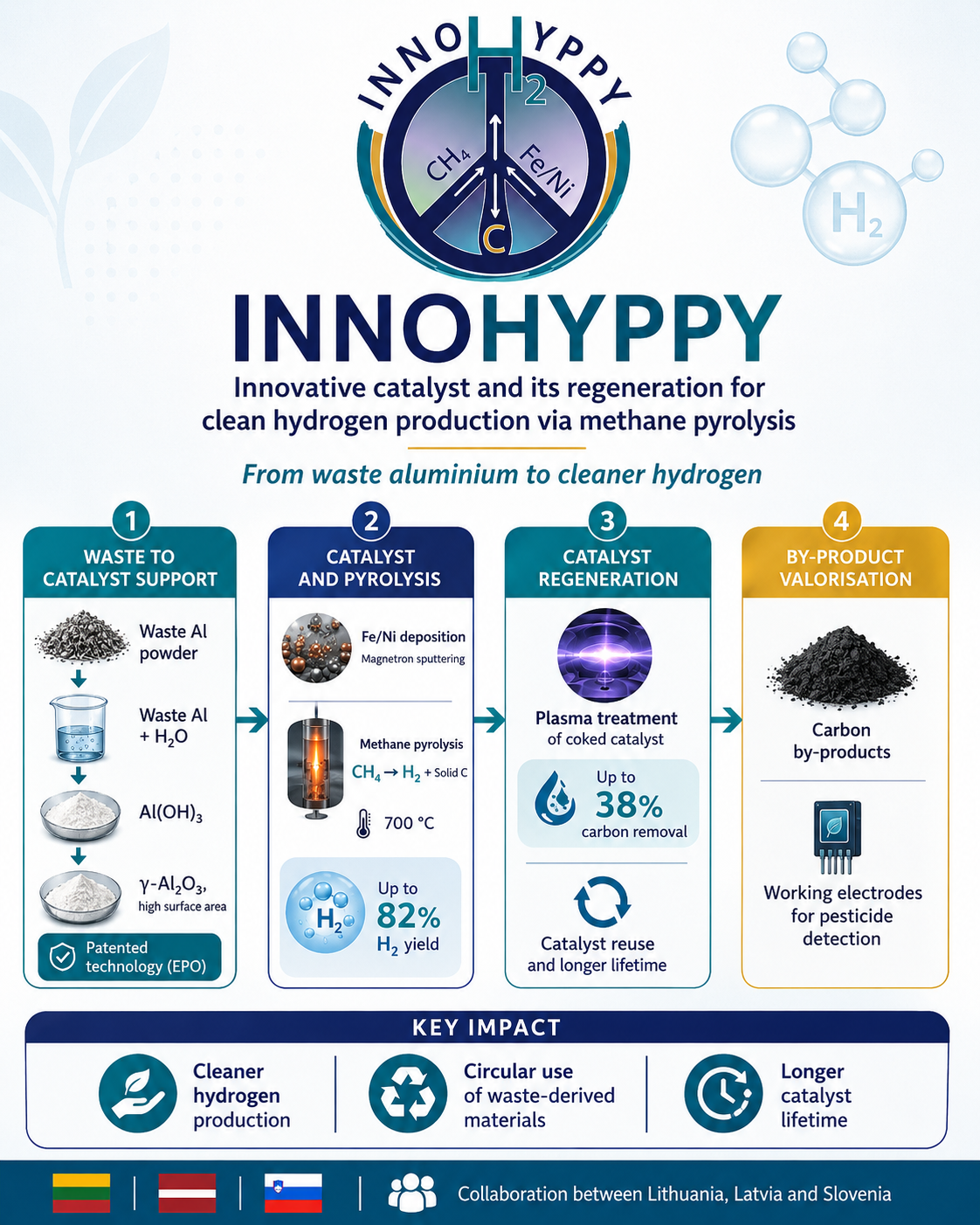
Researchers from Lithuania, Latvia and Slovenia joined forces in the project to develop more efficient catalysts and catalyst regeneration methods for cleaner hydrogen production through methane pyrolysis. The team explored ways to repurpose aluminium waste, extend catalyst lifetimes and find valuable applications for by-products generated during the process.
The researchers developed an iron (Fe)- and nickel (Ni)-based catalyst. Iron provides stability and durability, while nickel nanoclusters enhance catalytic activity. This system improved methane conversion efficiency at lower temperatures, achieving a hydrogen yield of up to 82% at a reaction temperature of 700 °C. This is an important step towards more efficient hydrogen production, as achieving high process efficiency at lower temperatures could reduce energy demand and the associated environmental impact.
The catalysts were supported on high-purity gamma-alumina (γ-Al₂O₃), produced through the hydrolysis of aluminium waste. This approach offers a way to turn waste into a valuable raw material, helping to improve resource efficiency. As hydrogen is also released during hydrolysis, the project laid the groundwork for a dual hydrogen generation system.
Solutions for More Sustainable Energy
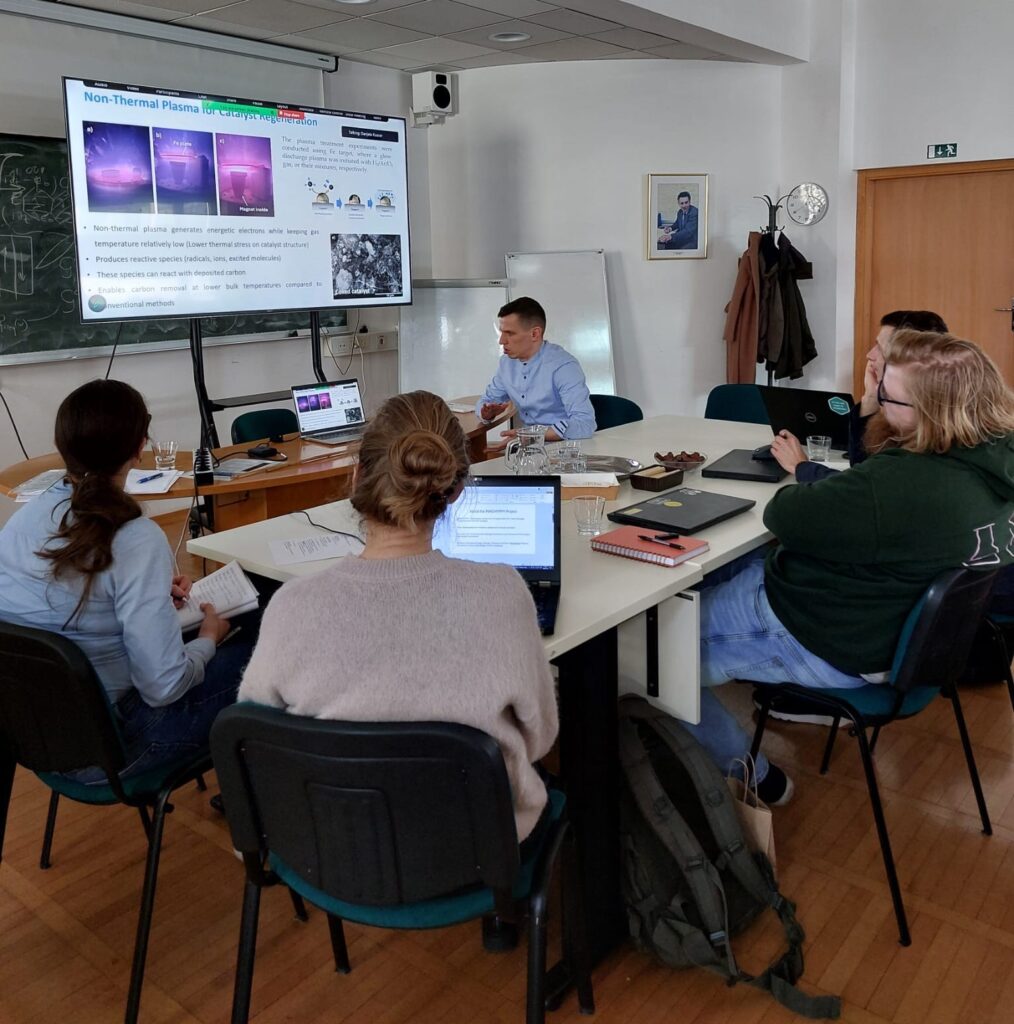
An important part of the project focused on regenerating spent catalysts. During methane pyrolysis, carbon accumulates on the catalyst surface, reducing its effectiveness. To address this, the researchers tested a plasma-based regeneration method, which successfully removed up to 38% of the accumulated carbon. The findings point to opportunities for reusing catalysts and extending their operational lifetimes.
The team also investigated potential uses for the carbon produced during the process. The research showed that this material could be used to fabricate working electrodes suitable for pesticide detection.
The project therefore explored not only how to make hydrogen production more efficient, but also how to reduce waste by turning by-products into materials with potential added value.
International Recognition
The project’s findings have been published in nine scientific papers, and the research has led to the granting of a Lithuanian national patent. The results have also been presented at 15 scientific conferences. In addition, the project has been featured in radio programmes, interviews and lectures for both students and the wider public.
The InnoHyppy results laid the foundation for an integrated hydrogen production concept combining two processes: using aluminium waste to produce catalyst support material and generating hydrogen through methane pyrolysis. This approach opens opportunities to reduce reliance on critical raw materials, lower the carbon footprint and promote circular material use.
The project’s international recognition creates new opportunities to further develop the solutions and strengthen scientific collaboration between Lithuania, Latvia and Slovenia. It marks an important step towards advancing innovative hydrogen technologies and contributing to a more sustainable energy future.
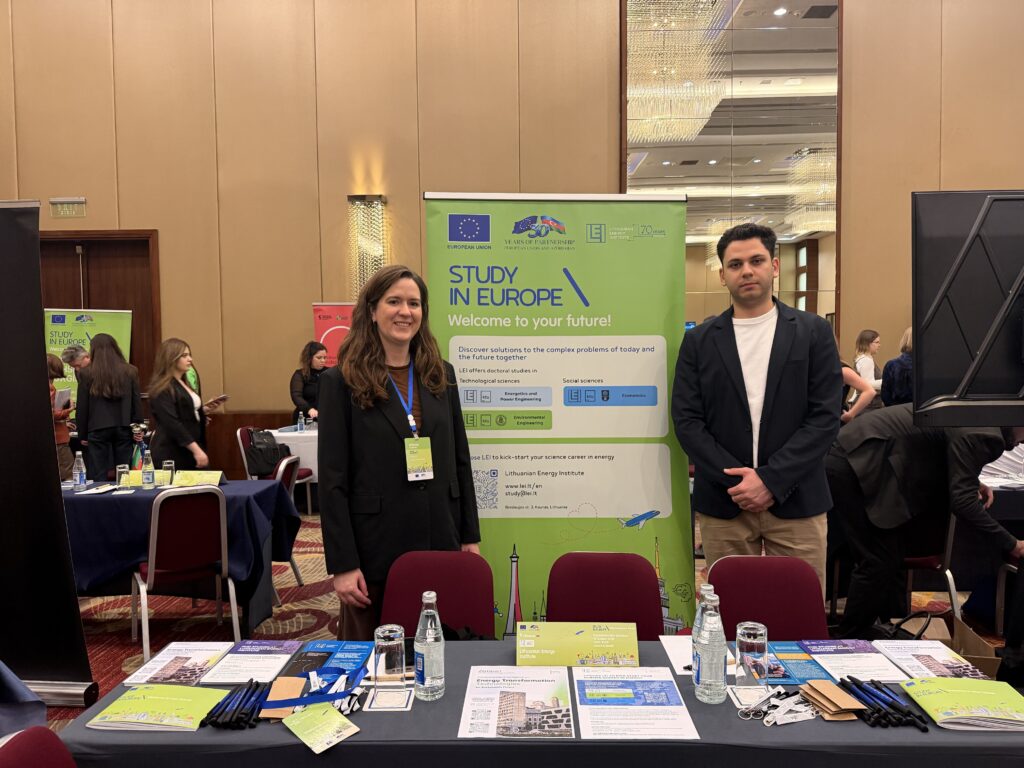
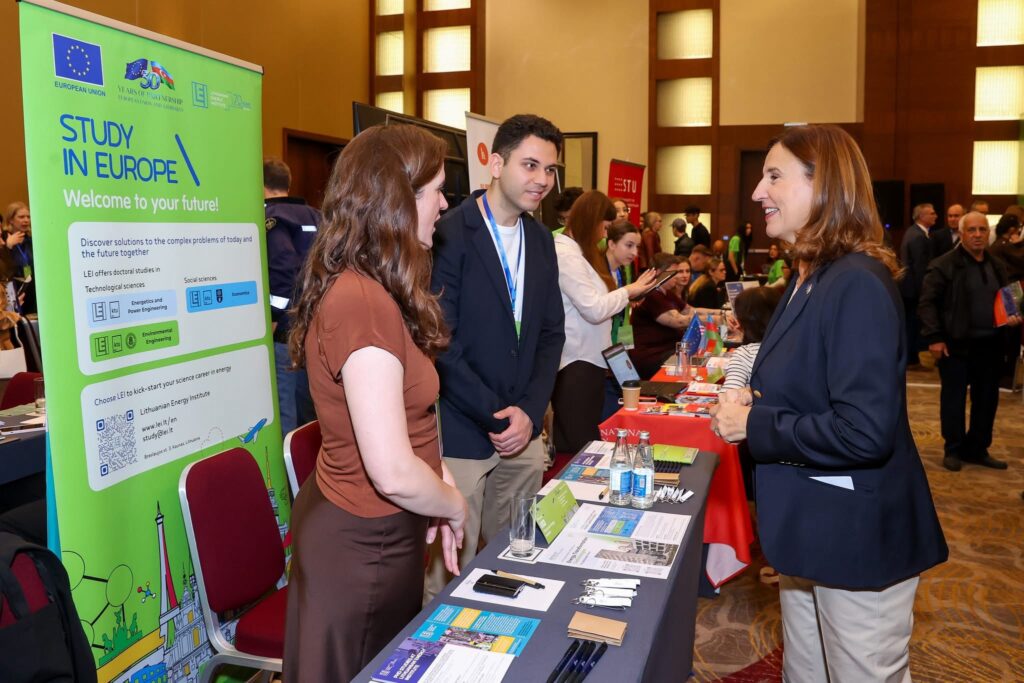
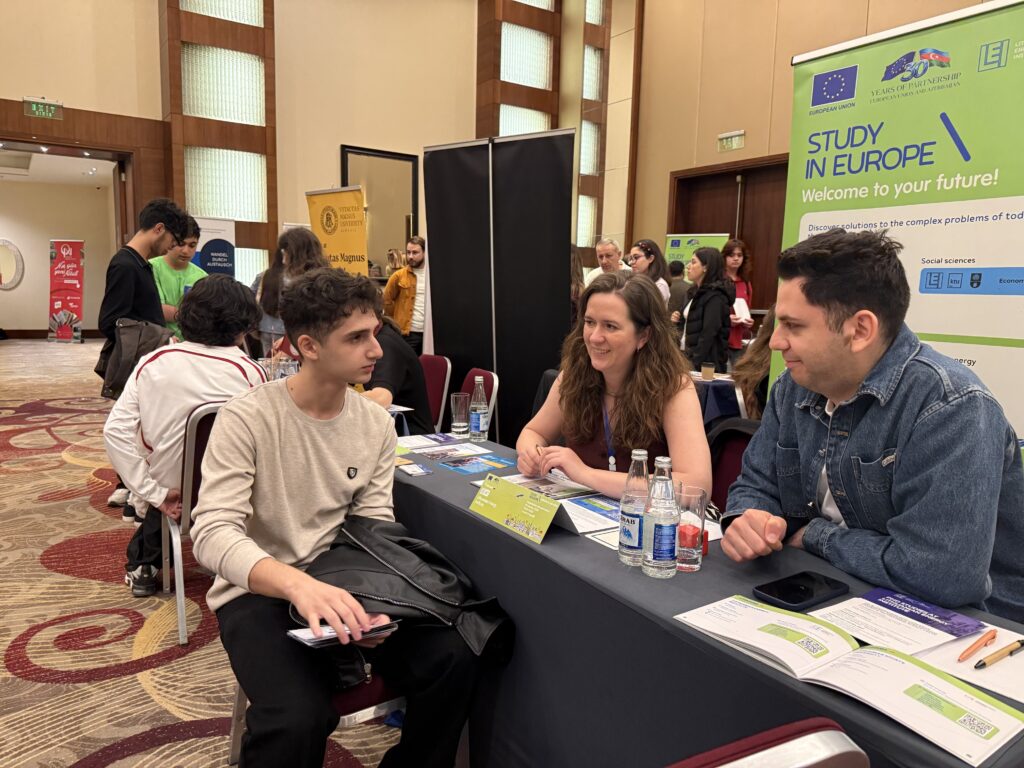
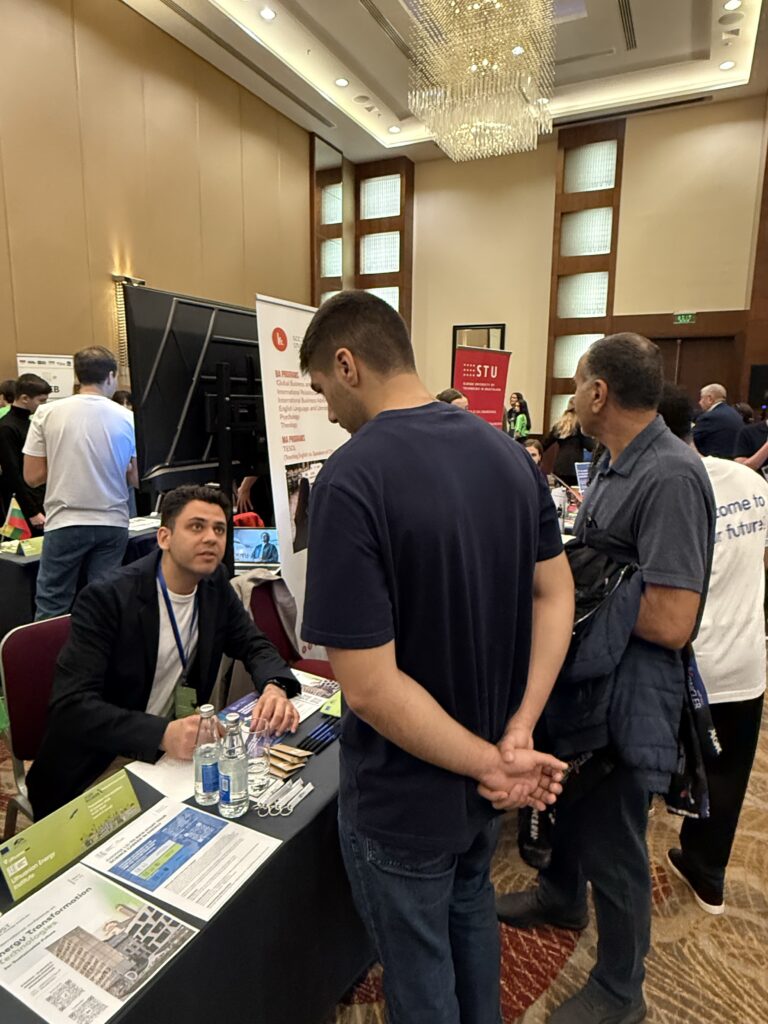
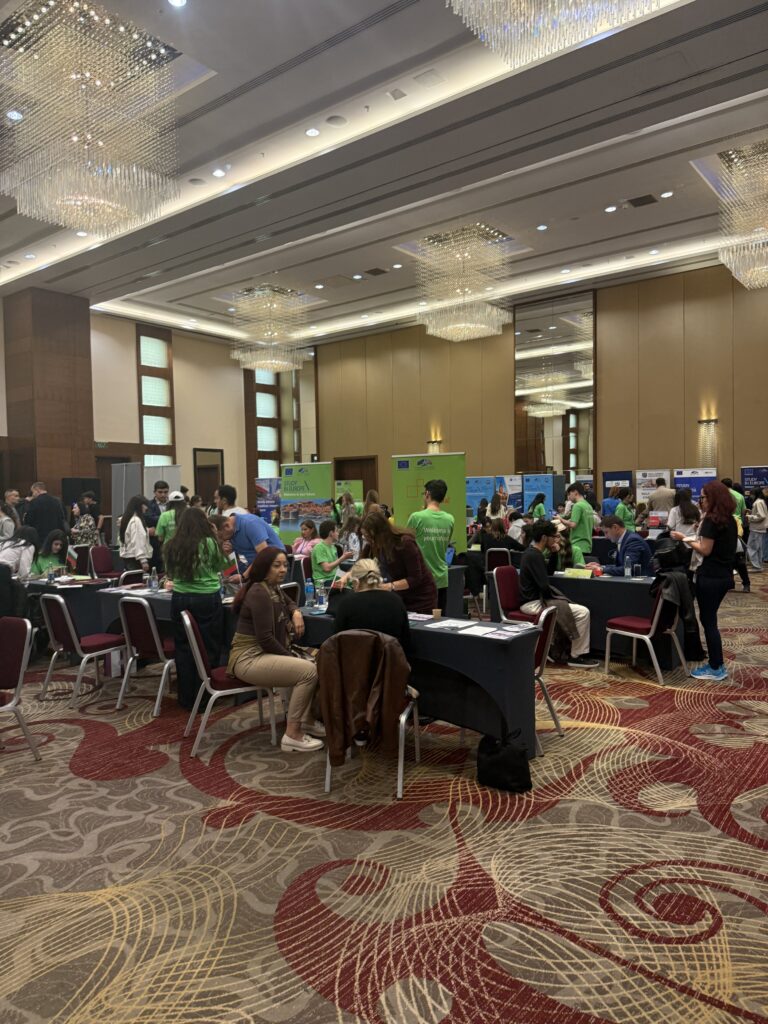
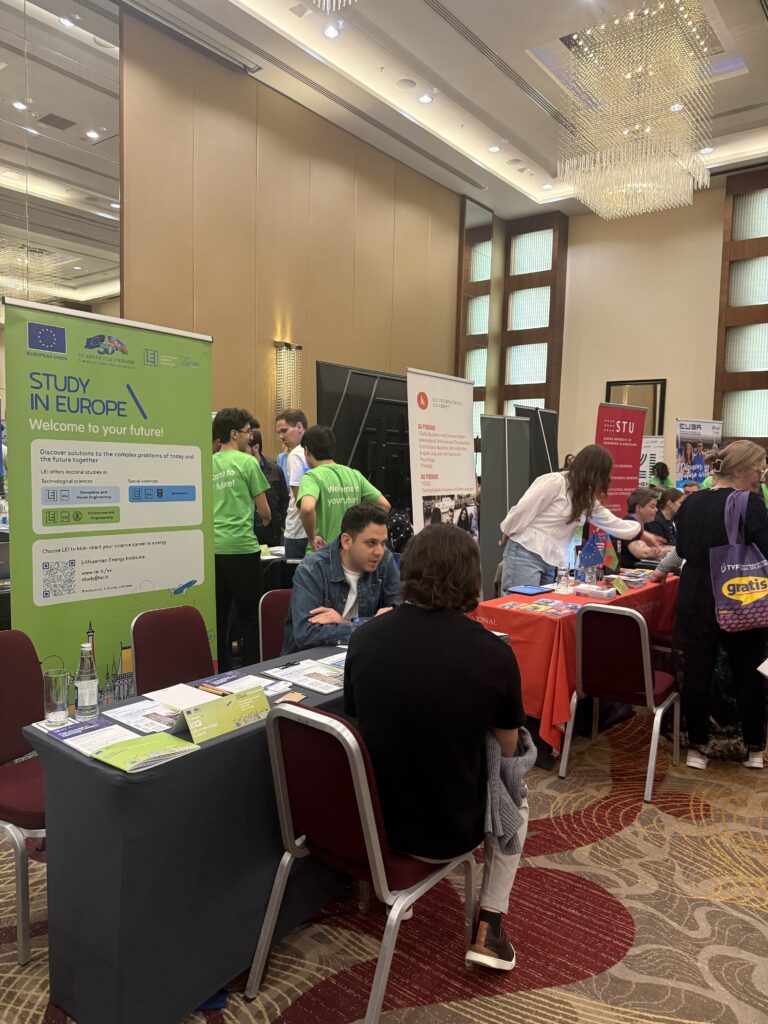
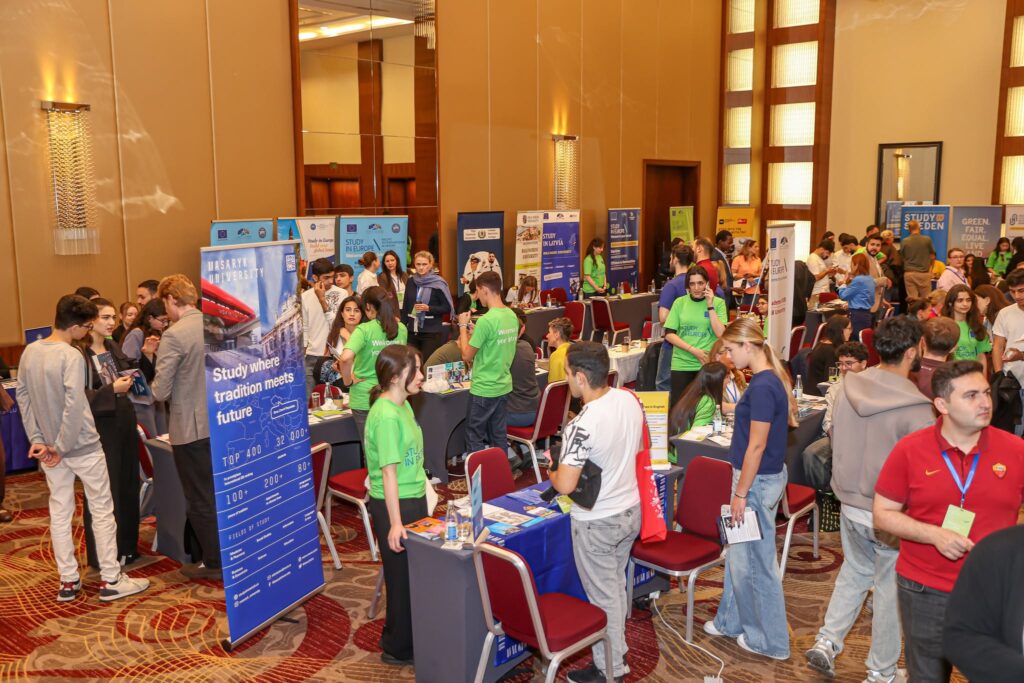
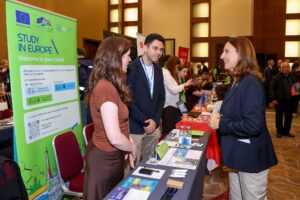
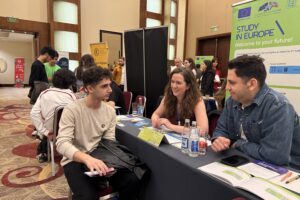
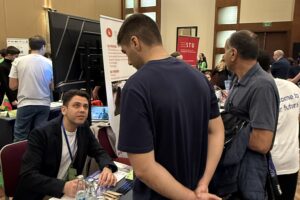
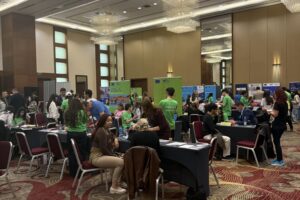
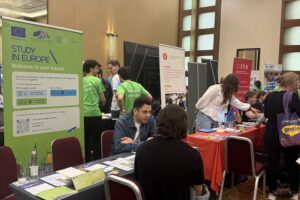
On 10–11 October, Monika Inčerytė, International Cooperation Coordinator at the Lithuanian Energy Institute (LEI), and doctoral student Javid Karimov participated in the “Study in Europe” education fair held in Baku, Azerbaijan.
During the event, LEI representatives presented PhD studies and career opportunities at the Lithuanian Energy Institute and introduced visitors to the Institute’s scientific activities and ongoing research in the energy sector. The representatives had the opportunity to connect with students seeking study opportunities abroad, early-career researchers and other higher education institutions. Fair visitors were interested in LEI’s doctoral studies, career opportunities in the energy sector and the Institute’s activities.
LEI representatives also met with the European Union Ambassador to Azerbaijan, Marijana Kujundžić, and gave an interview to Azerbaijan’s national broadcaster AzTV.
“Study in Europe” is a higher education fair organised by the Delegation of the European Union to Azerbaijan for students interested in studying in Europe. The event brought together representatives from more than 60 universities and other educational institutions from 16 EU countries. Visitors had the opportunity to meet directly with representatives of higher education institutions and learn more about study programmes, admission requirements, scholarships, internship opportunities and career prospects.
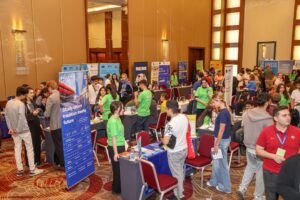
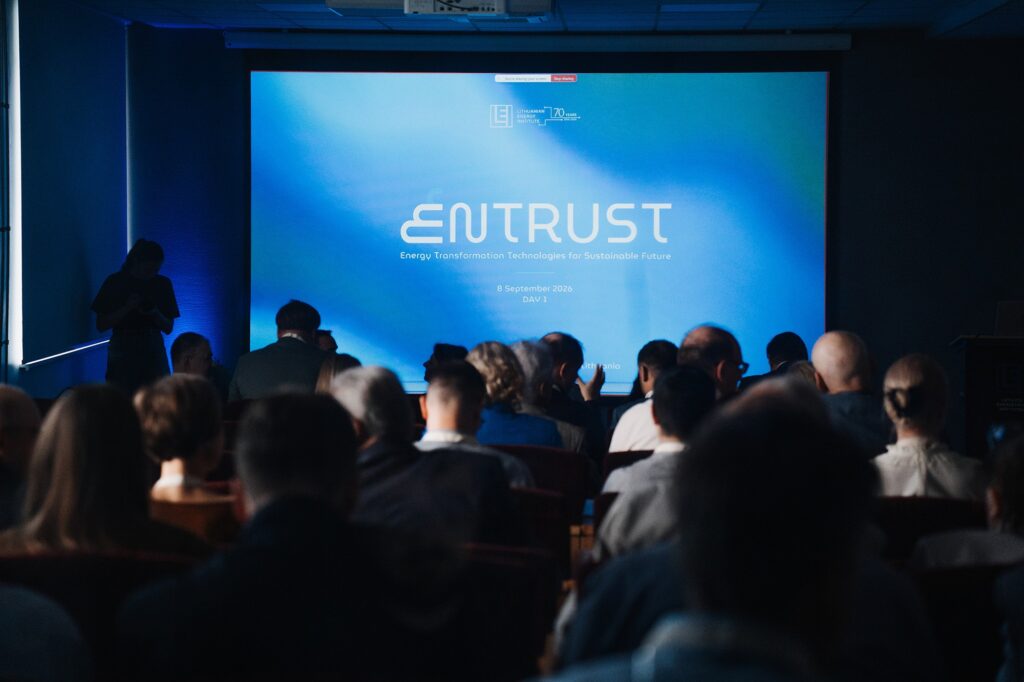
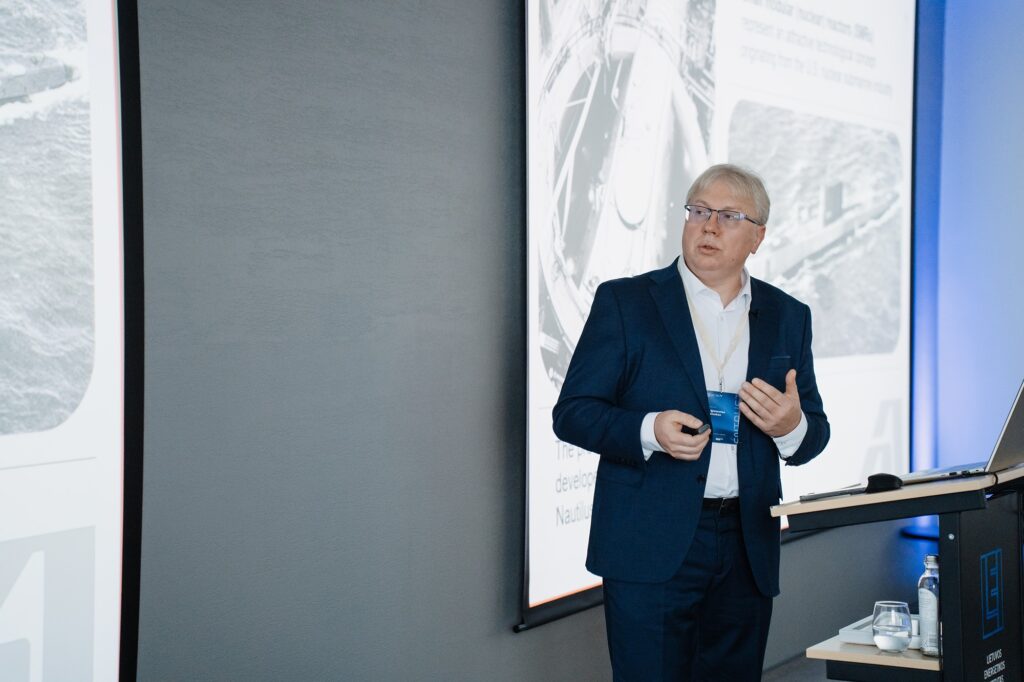
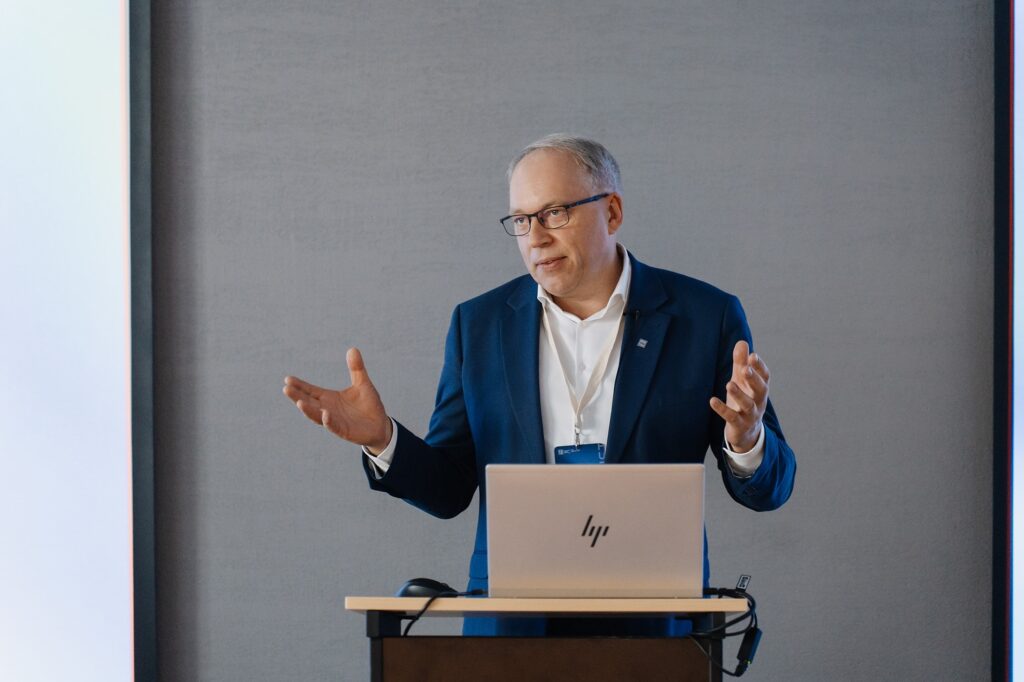
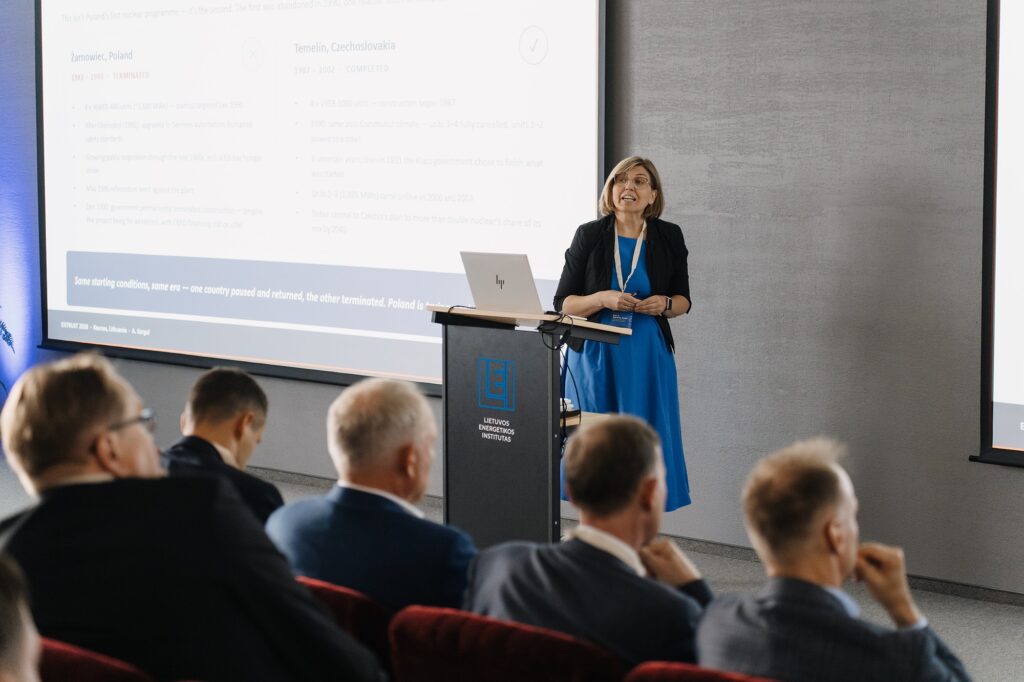
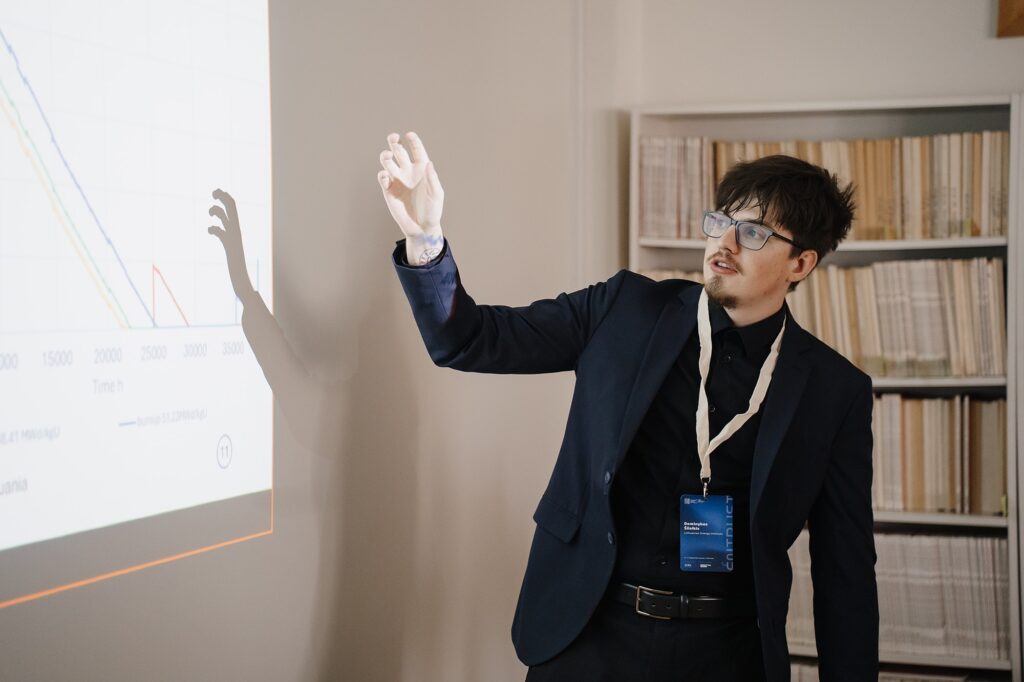
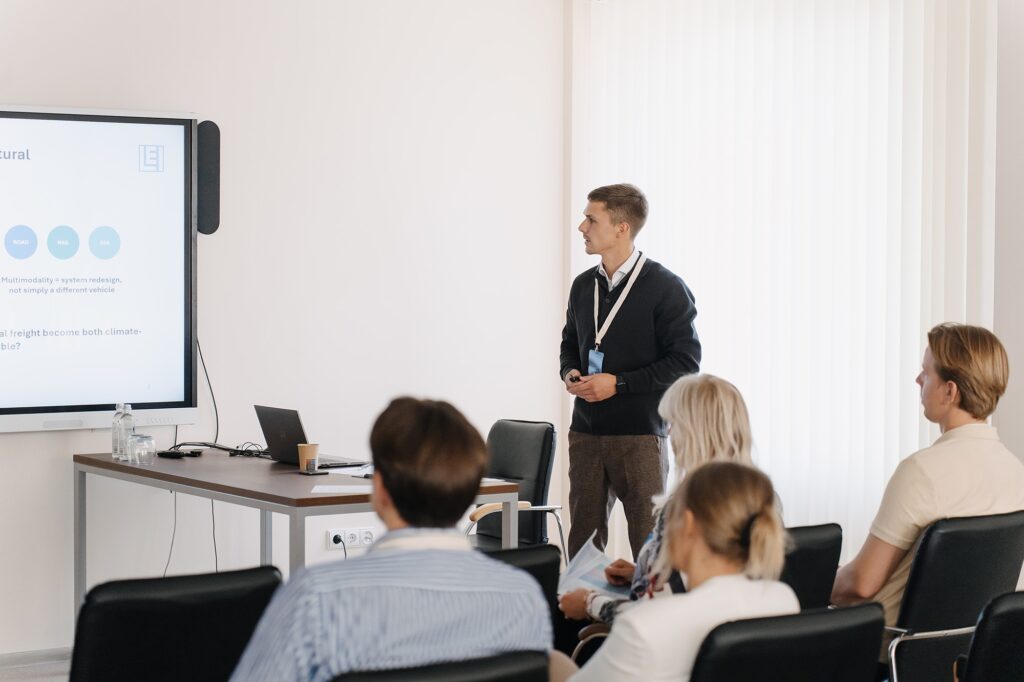
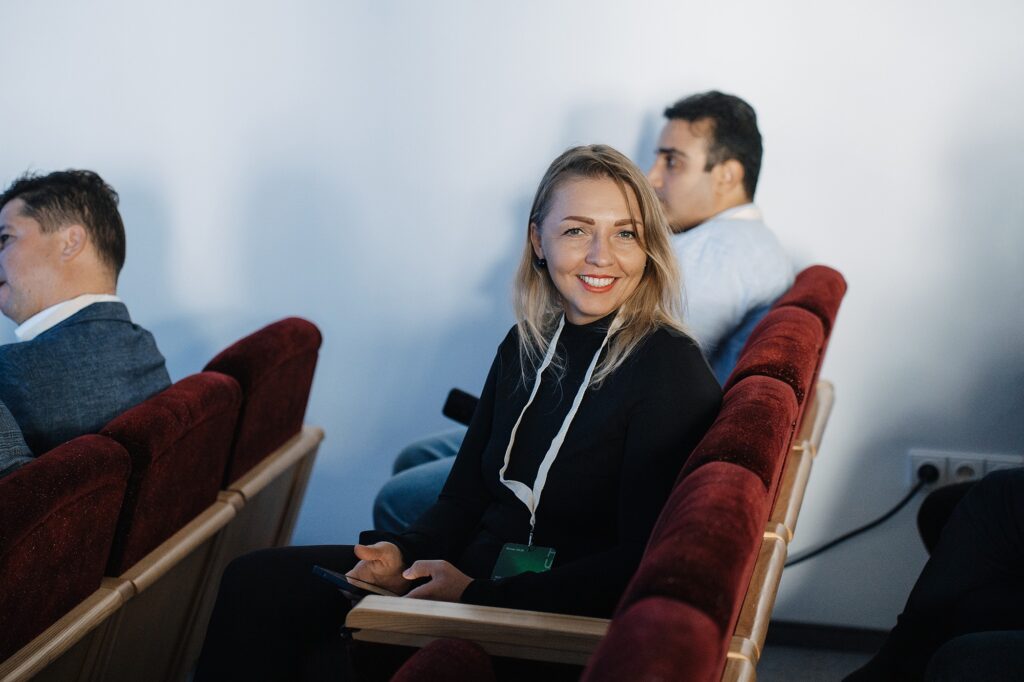
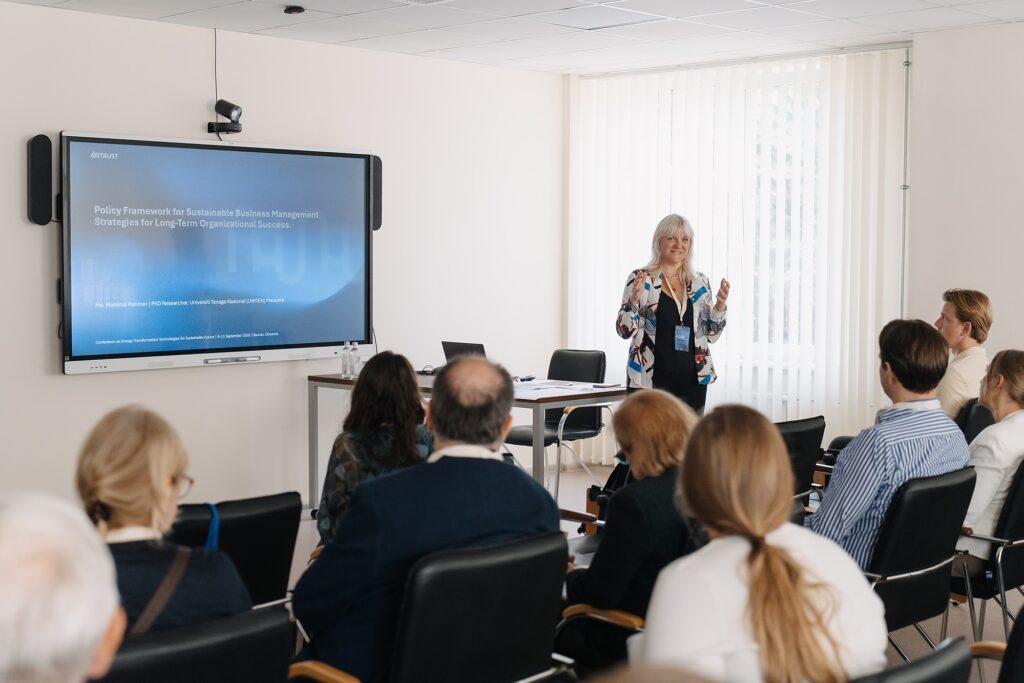
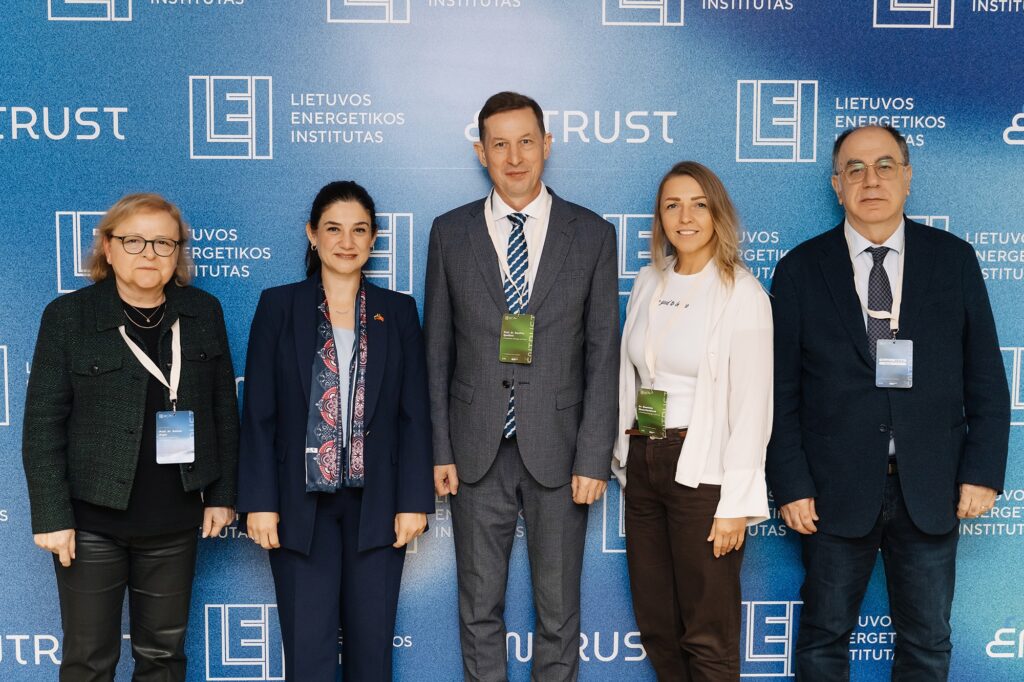
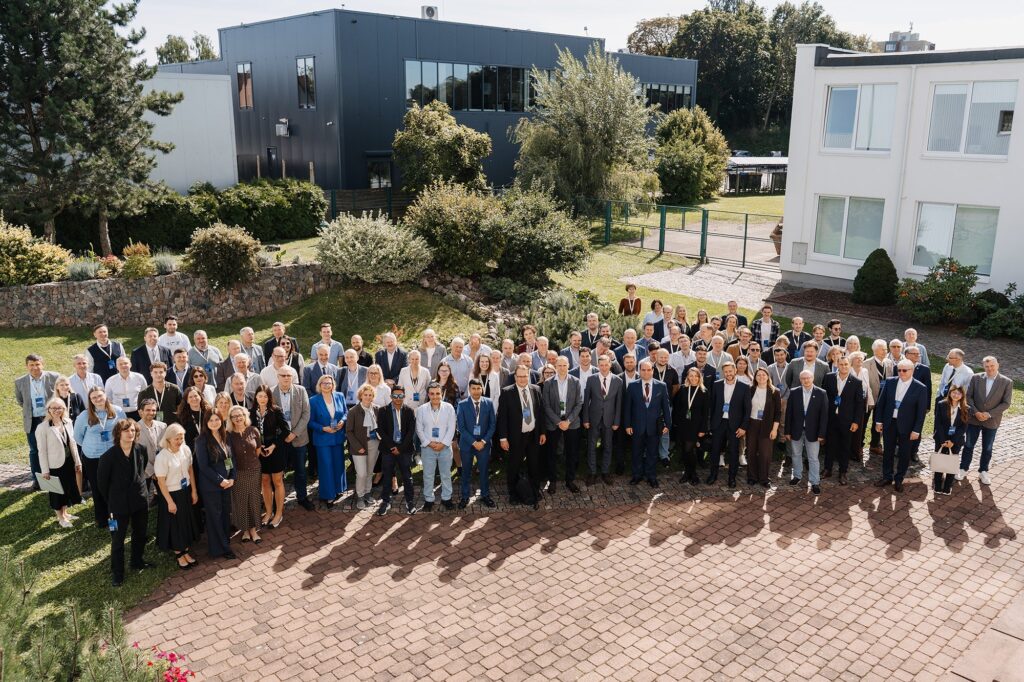
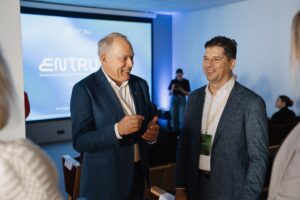
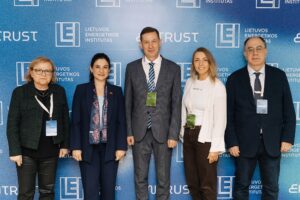
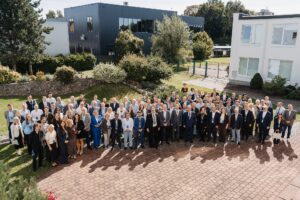
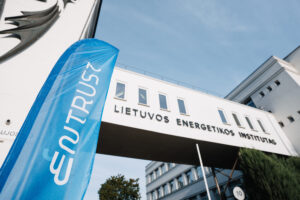
The first international scientific conference Energy Transformation Technologies for Sustainable Future (ENTRUST), held at the Lithuanian Energy Institute (LEI) in Kaunas on 8–11 September, brought together researchers, energy sector experts, and representatives of business and the public sector from Lithuania and abroad. The conference programme featured research from a wide range of fields and explored technological and systemic solutions relevant to the energy transition and a more sustainable future.
Bringing Different Perspectives Together
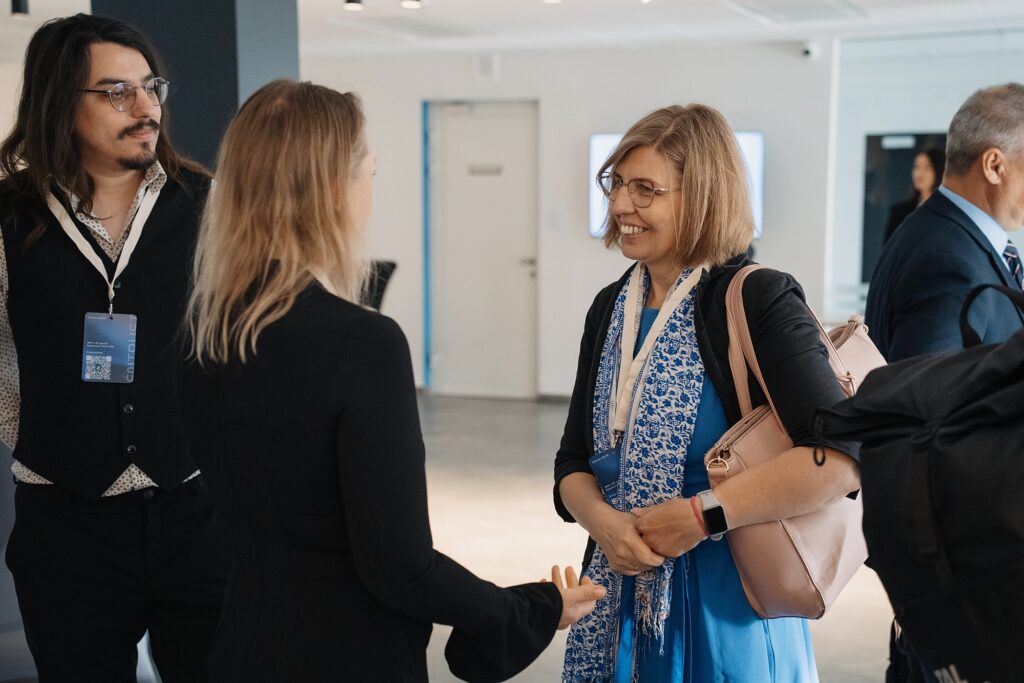
The conference provided not only an opportunity to share the latest scientific knowledge, but also a platform for strengthening international partnerships. In organising ENTRUST, LEI worked closely with representatives of Brunel University of London, who contributed to the development and delivery of the conference programme.
The ENTRUST programme was jointly shaped by three conference chairs: Prof. Dr Saulius Gudžius, Director of LEI; Dr Robertas Poškas, Deputy Director of LEI; and Prof. Dr Hussam Jouhara, representing Brunel University of London.
Their expertise covered different yet closely connected aspects of the energy transition, ranging from energy systems, innovation and the practical application of new technologies to nuclear engineering, heat transfer and advanced thermal technologies. Bringing these perspectives together was an important part of shaping the conference programme and its interdisciplinary character.
Prof. Dr Saulius Gudžius brought to the conference extensive experience in energy transition, innovation and the application of emerging technologies, as well as a broad perspective on energy systems and their practical implementation. Dr Robertas Poškas contributed scientific expertise in heat transfer, hydrodynamic processes, nuclear engineering and environmental protection, adding a strong technical and engineering perspective. Prof. Dr Hussam Jouhara of Brunel University London brought an international academic and industrial perspective, drawing on his work in energy efficiency, advanced thermal systems, energy recovery and sustainable energy solutions.
A Platform for International Partnerships
The international character of ENTRUST was reflected not only in the collaboration between its organisers, but also in the strong participation of international institutions and experts. Researchers and energy sector representatives attended the conference from a wide range of countries, including Croatia, Denmark, Estonia, France, Germany, Indonesia, Latvia, Malaysia, the Netherlands, Poland, Portugal, Sweden, Ukraine and the United Kingdom.
Eight thematic sessions explored a broad range of energy transition topics, from nuclear energy, energy security and critical infrastructure resilience to electrification, decarbonisation, hydrogen and other emerging technologies.
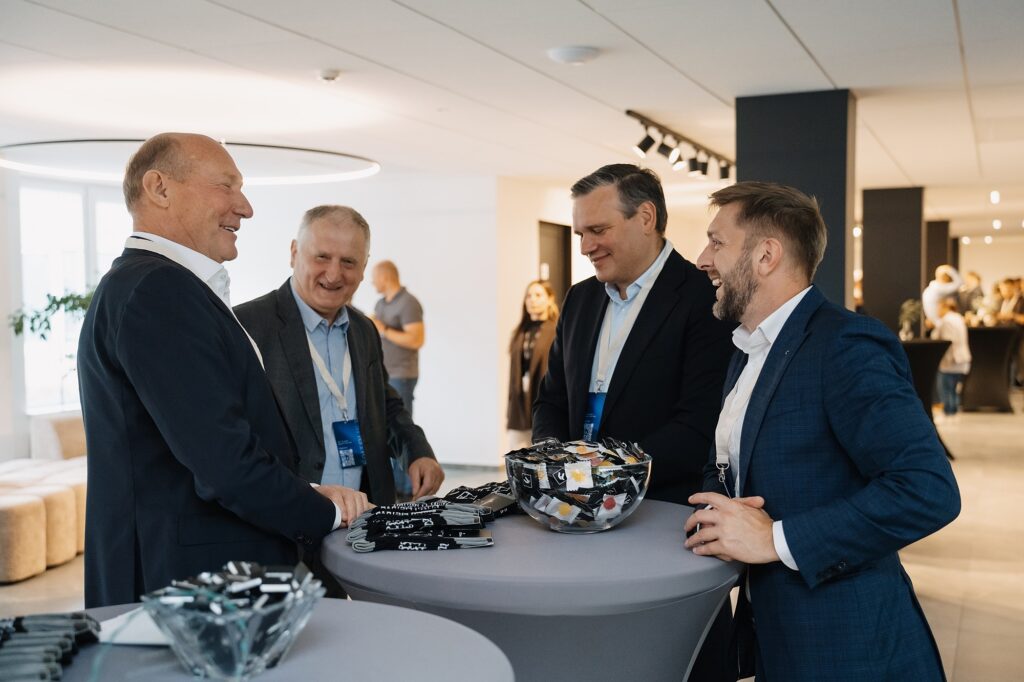
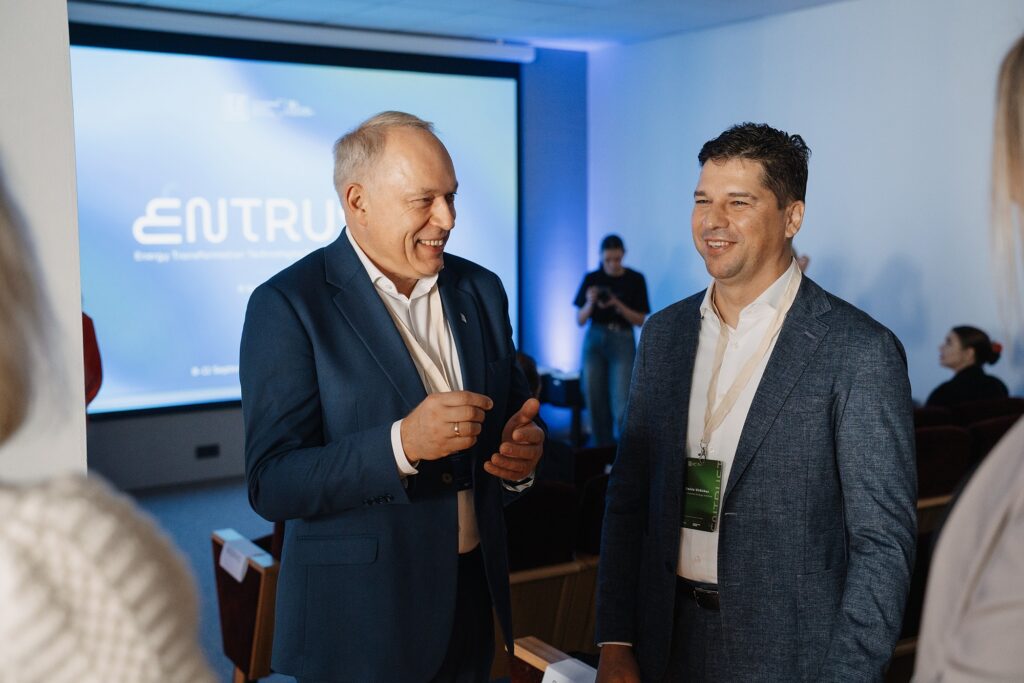
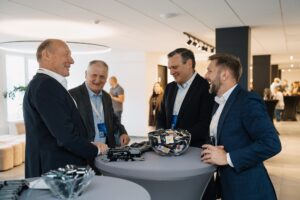
The diverse expertise and experience of energy professionals from different parts of the world helped bring together a range of perspectives on the energy transition. The conference provided an opportunity not only to exchange scientific insights, but also to build new international connections and explore opportunities for future collaboration.
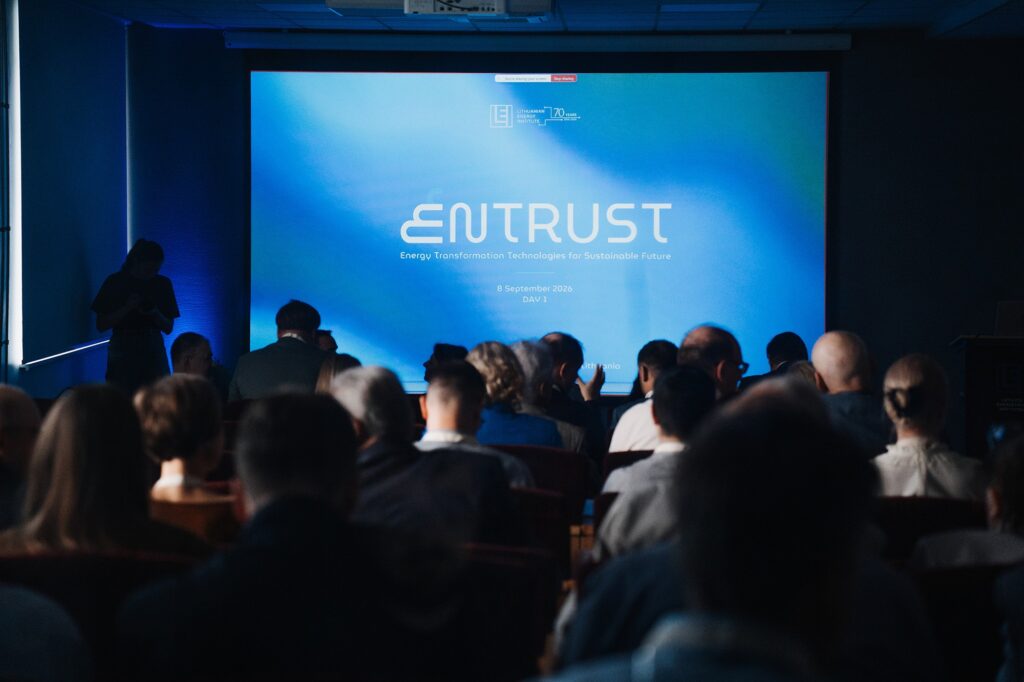
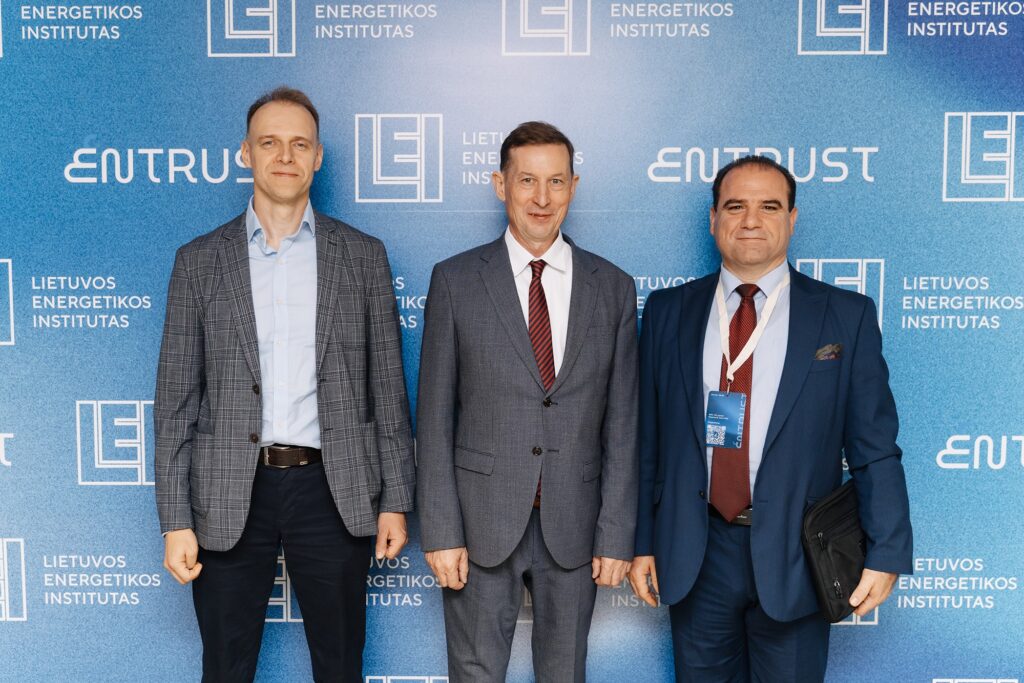
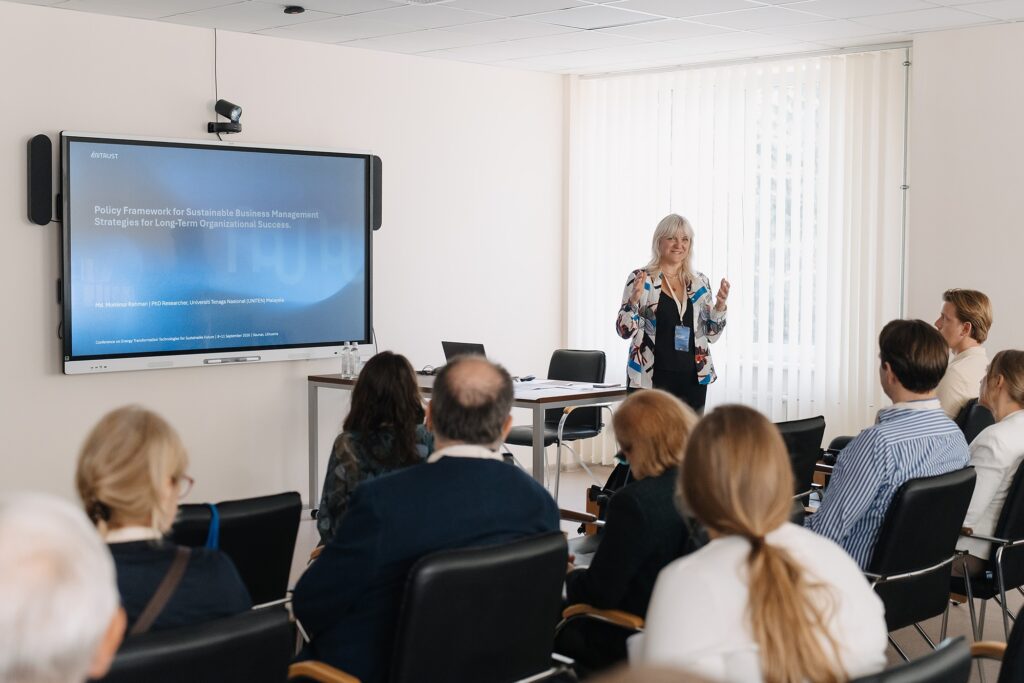
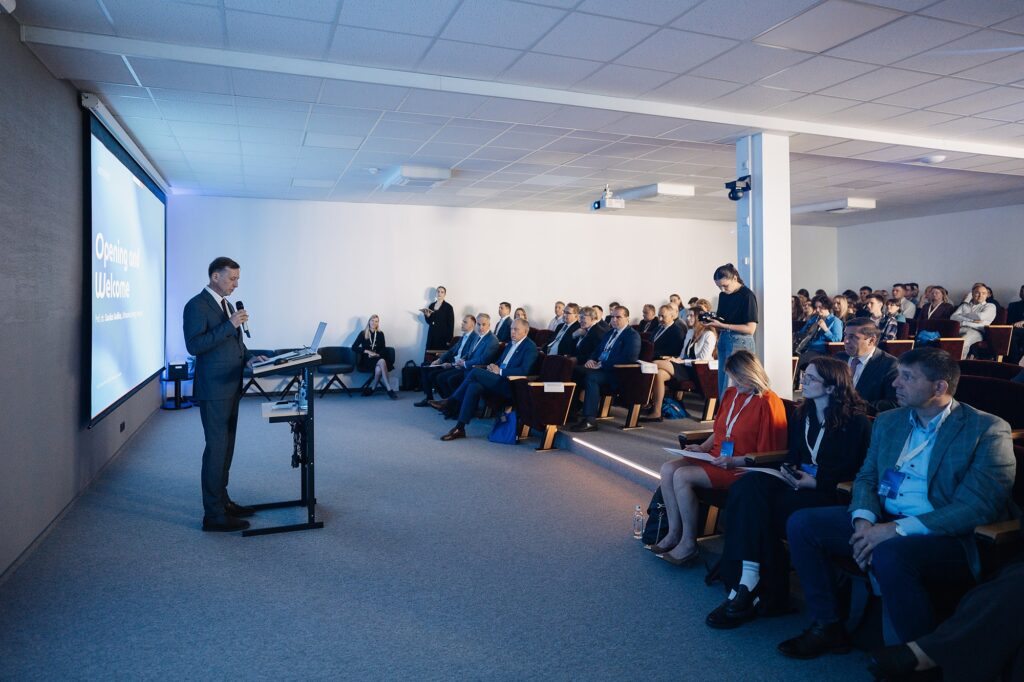
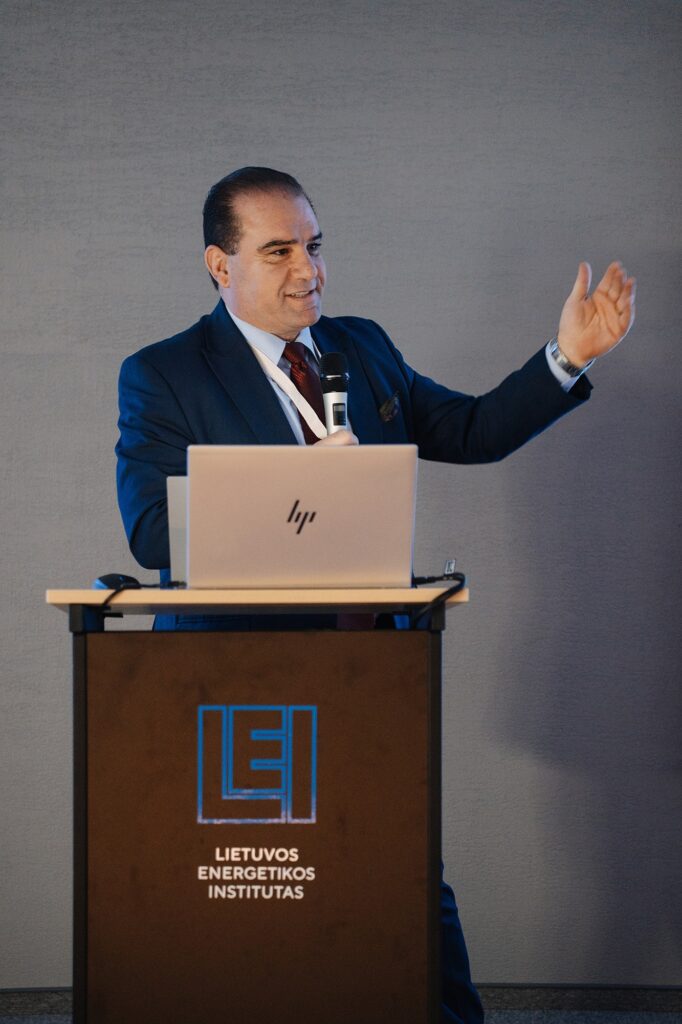
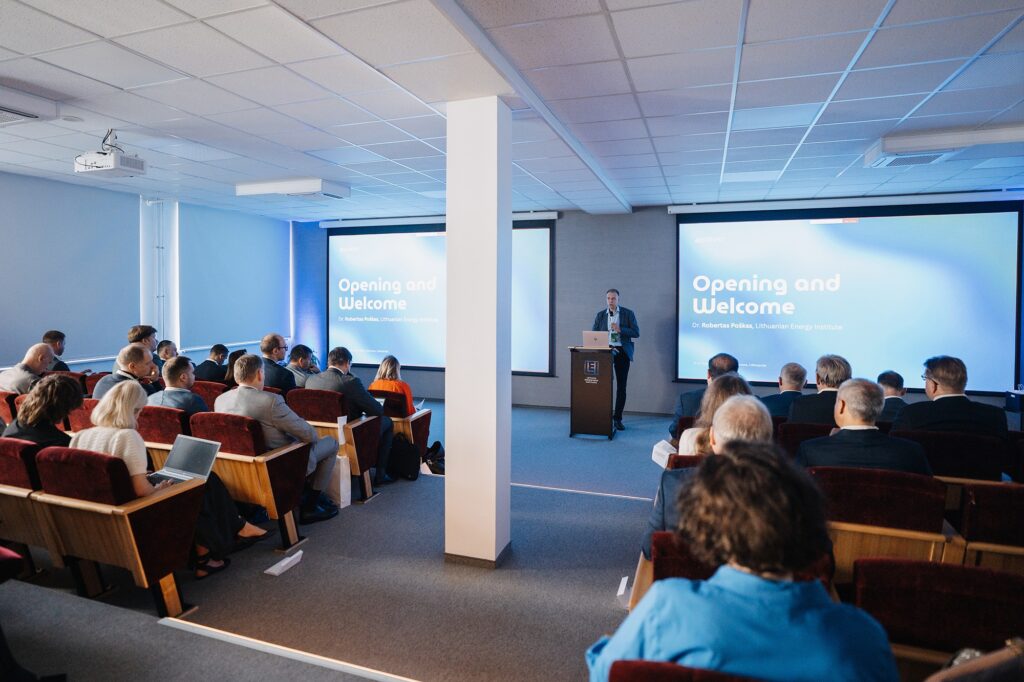
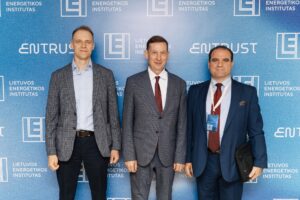
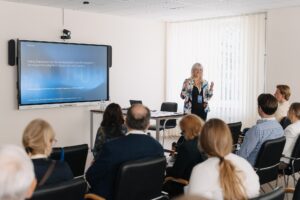
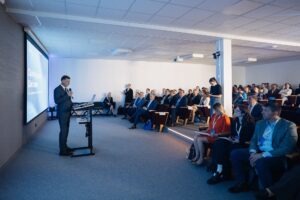
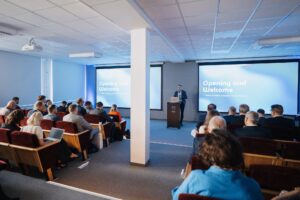
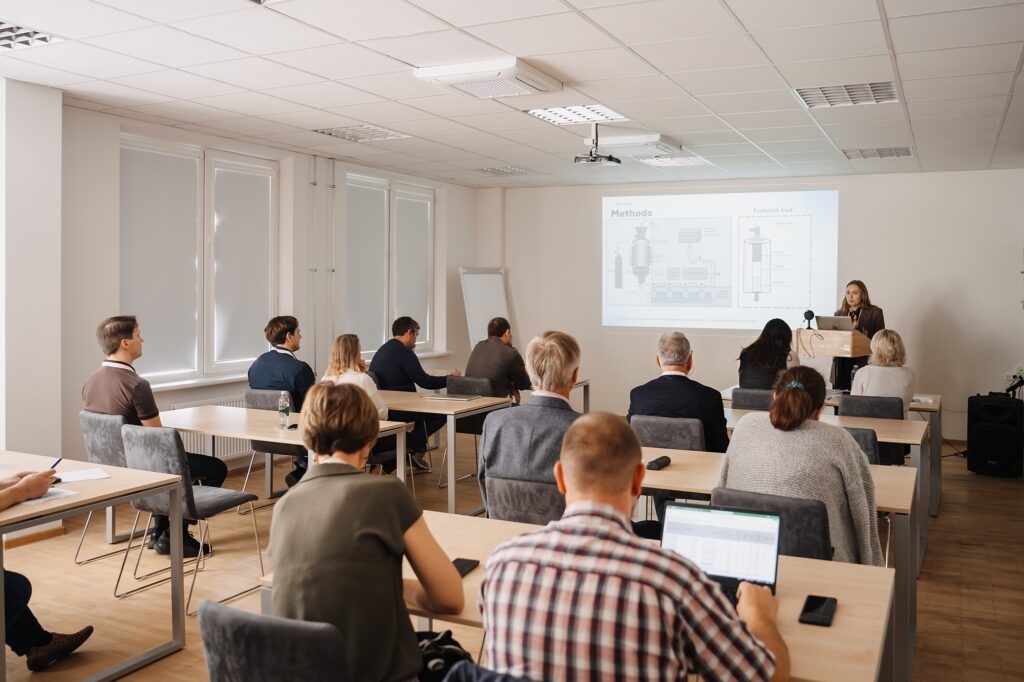
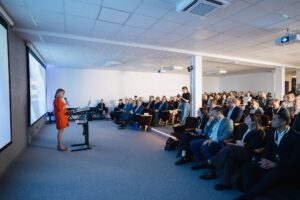
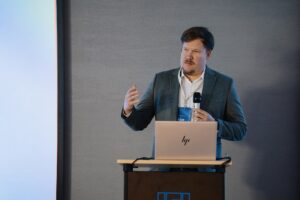
8–11 September the first international scientific conference “Energy Transformation Technologies for Sustainable Future” (ENTRUST) took place at the Lithuanian Energy Institute (LEI) in Kaunas, bringing together researchers from Lithuania and abroad, energy-sector experts, and representatives from industry and the public sector.
Over four days, the conference focused on energy transformation and the solutions that are shaping the future of Europe’s and the Baltic region’s energy systems. The programme covered a broad range of topics, including the future of nuclear energy, energy security, critical infrastructure resilience, changes in energy systems and markets, electrification, decarbonisation, hydrogen and other emerging technologies.
Marking a major milestone
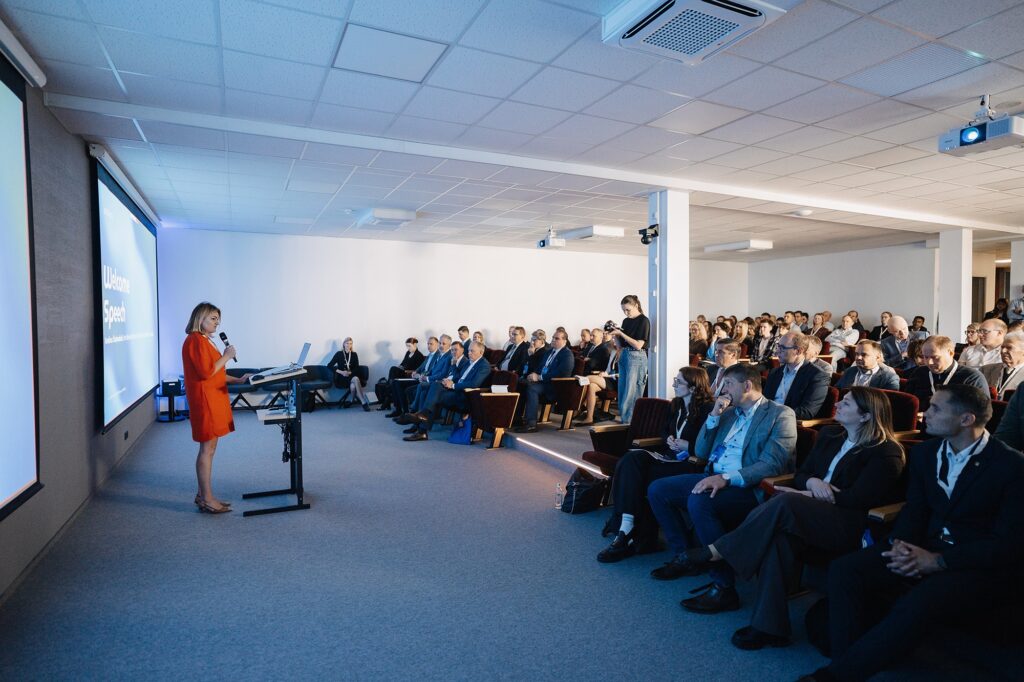
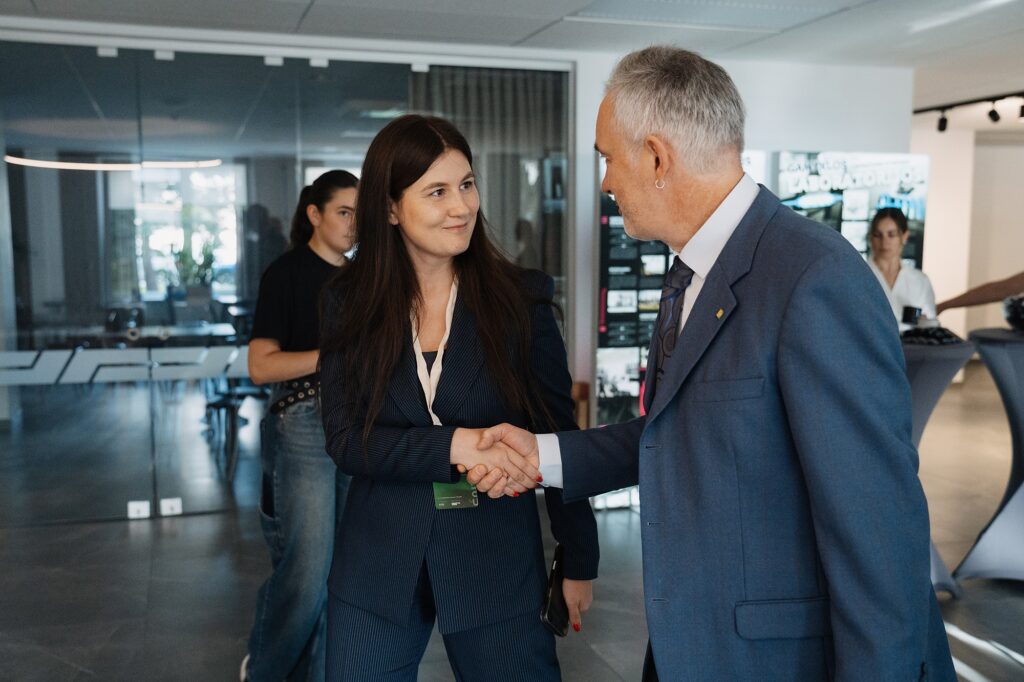
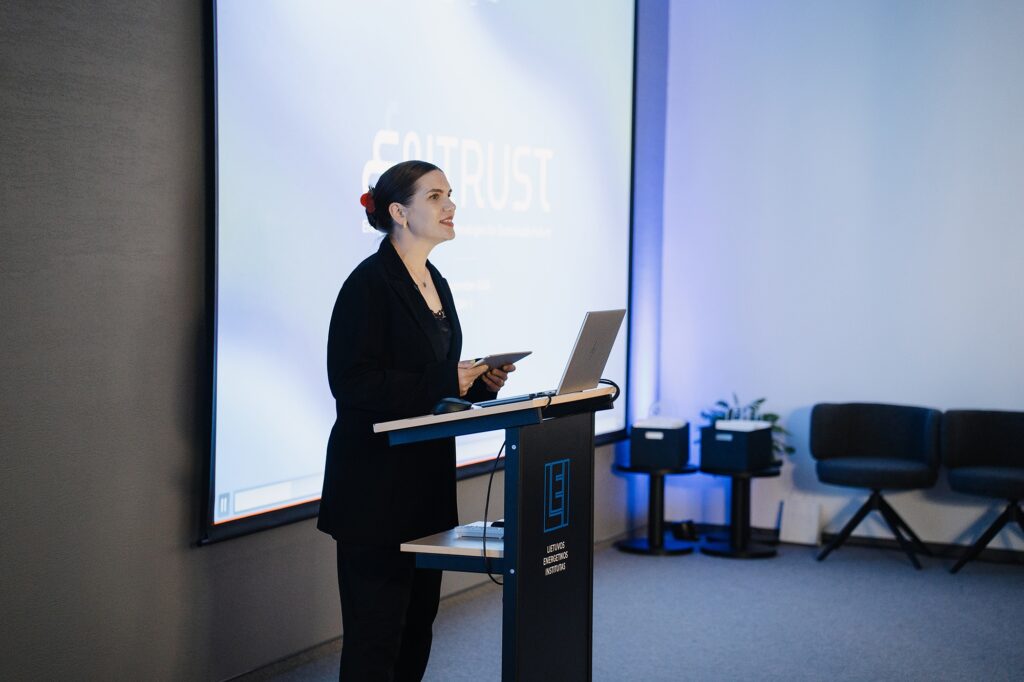
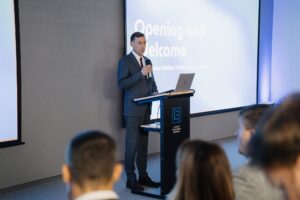
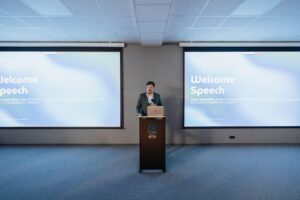
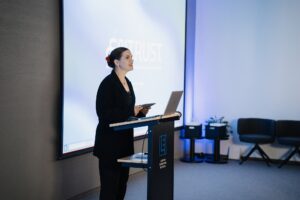
The opening day of ENTRUST was dedicated to celebrating the 70th anniversary of the Lithuanian Energy Institute. The conference officially opened with welcoming remarks from the ENTRUST Organising Committee Chairs, Prof. Dr. Saulius Gudžius, Prof. Dr. Hussam Jouhara and Dr. Robertas Poškas.
“For seven decades, the Institute has changed and grown together with Lithuania, responding to evolving energy needs while maintaining its core mission – using scientific and engineering knowledge to help address emerging challenges. As LEI approached its 70th anniversary, the idea for ENTRUST naturally emerged. This conference is an important step towards the future – an opportunity to bring together researchers and industry representatives, exchange knowledge and ideas, and discuss the technologies and challenges that will shape the future of energy,” said Prof. Dr. Saulius Gudžius.
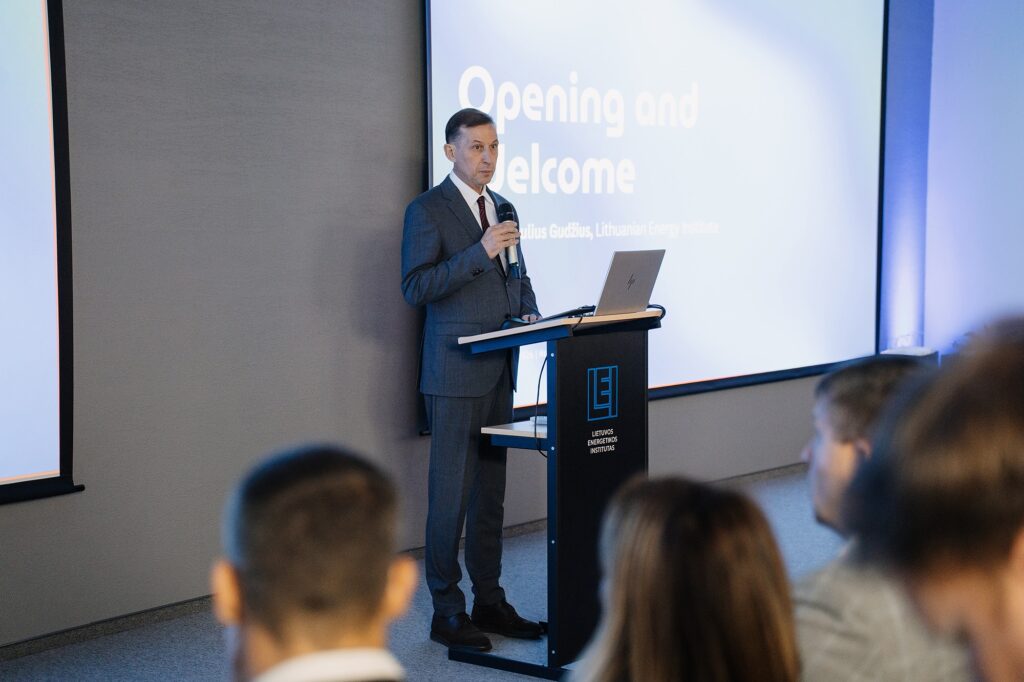
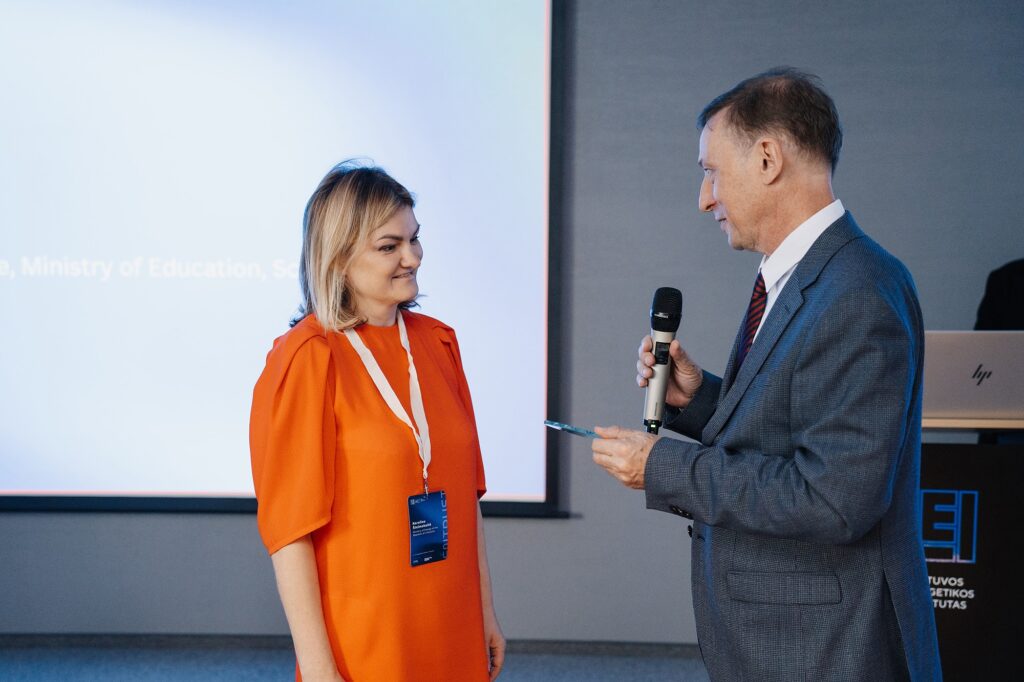
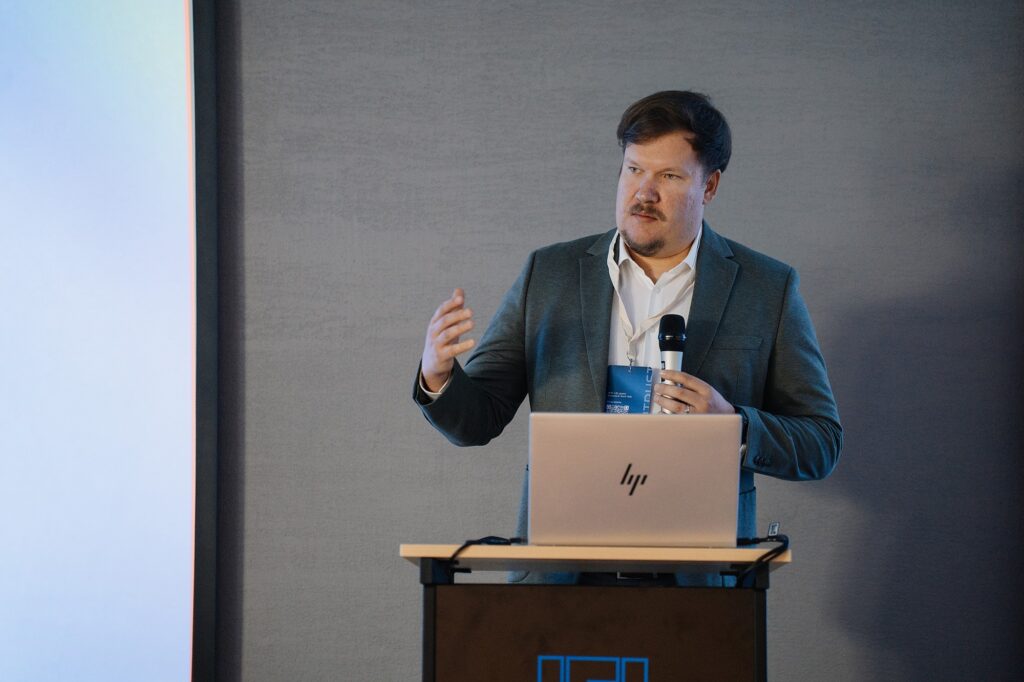
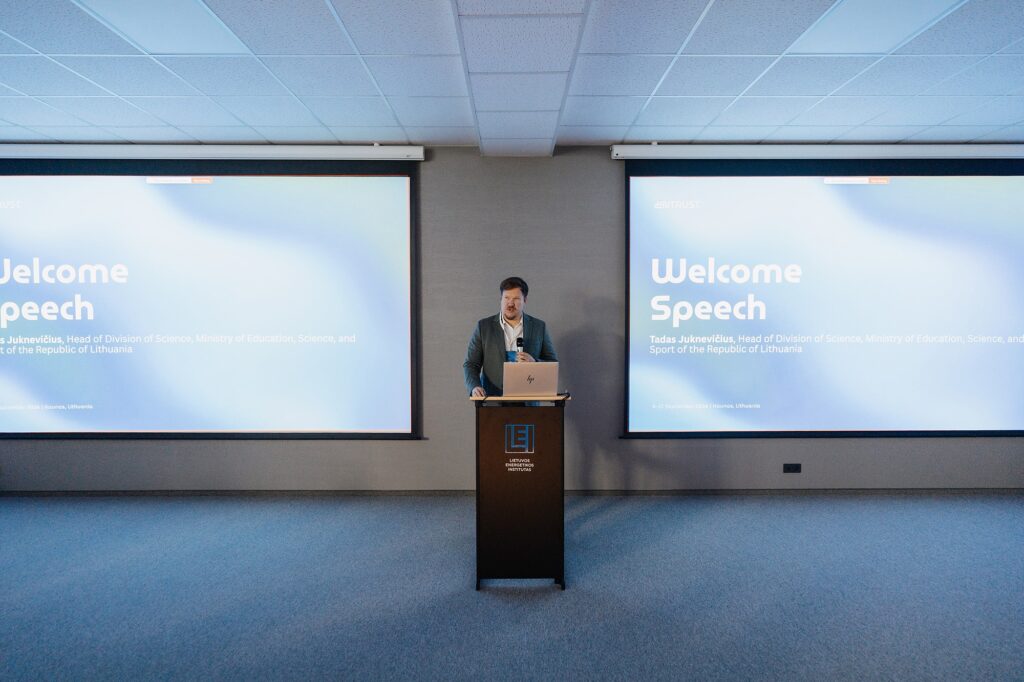
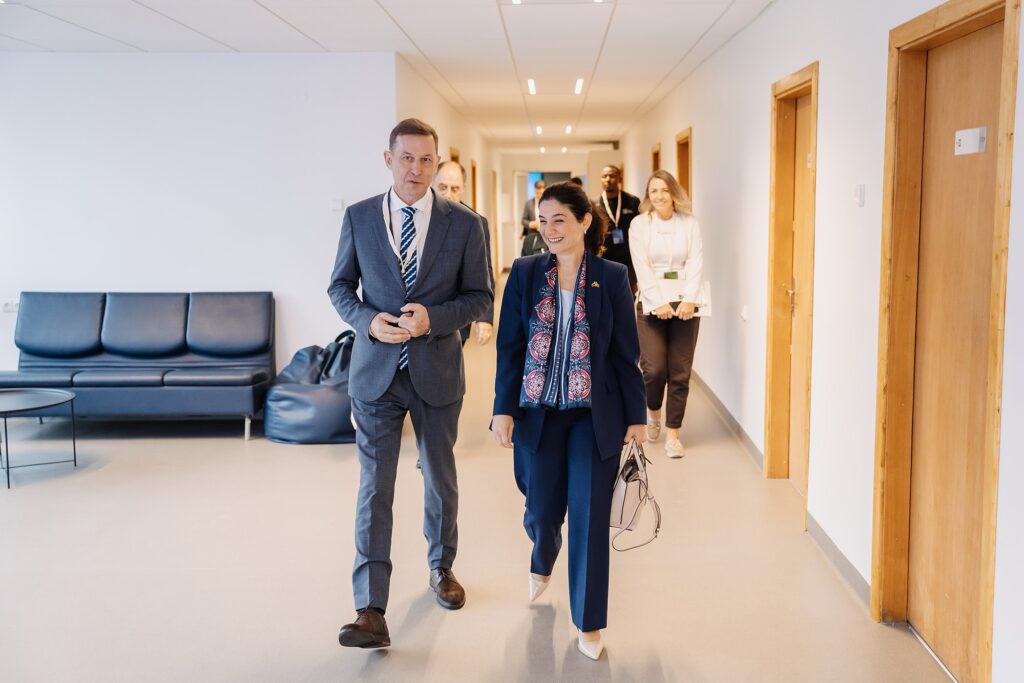
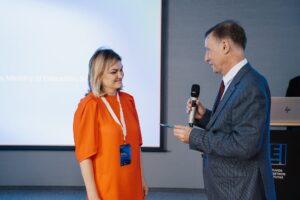
The conference participants and LEI were also congratulated by Karolina Štelmokaitė, Vice-Minister of Energy of the Republic of Lithuania, and Tadas Juknevičius, Head of the Science Division at the Ministry of Education, Science and Sport of the Republic of Lithuania.
In their remarks, they highlighted LEI’s significant contribution to Lithuanian science, its successful participation in international research projects, and its importance to the country’s wider research community, while wishing the Institute continued success in its future work.
The future of nuclear energy in Europe
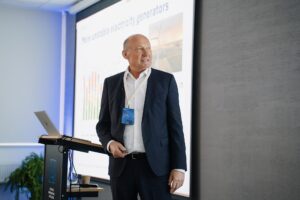
The first day placed a strong focus on the future of nuclear energy, the prospects for fusion, energy security, and the energy landscape of Europe and the Baltic Sea region. Keynote presentations and discussions highlighted the importance of international cooperation and research in addressing long-term energy challenges.
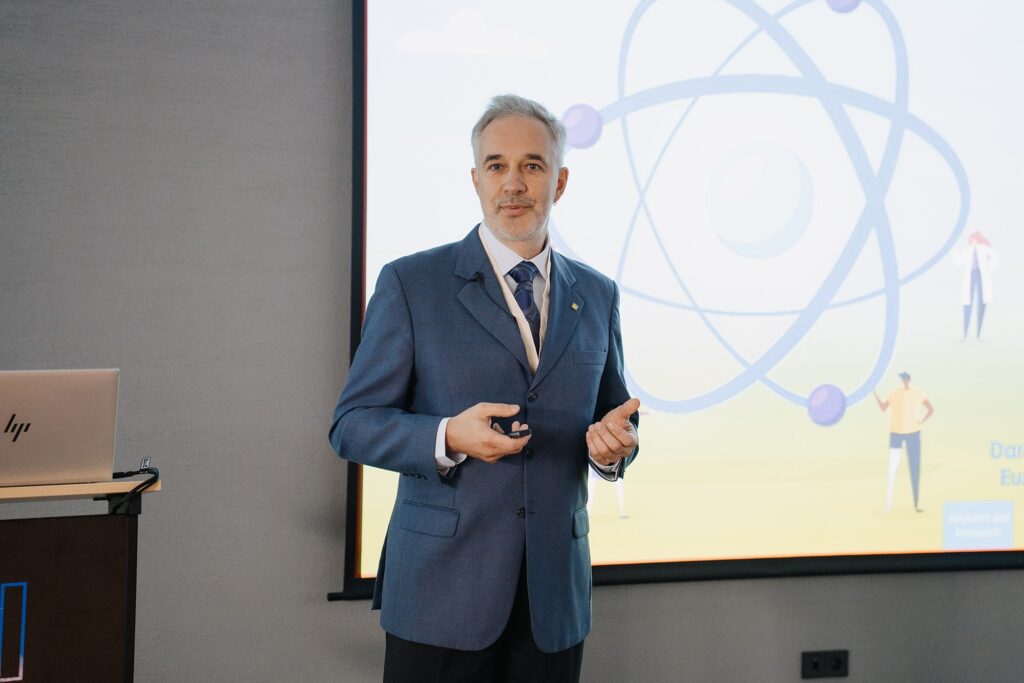
Dr. Darius Ancius, Policy Officer for International Cooperation at the European Commission, presented the EU’s approach to fusion energy and the importance of cooperation between research, industry and policymakers.
“Fusion gives Europe a unique chance to power the future with clean, near-limitless energy. With ITER, world-class research, and growing industrial strength, Europe already has the talent and supply chains to lead. Now we must unite bold innovation with strong collaboration across science, industry, and policy – and turn excellence into global industrial leadership,” he said.
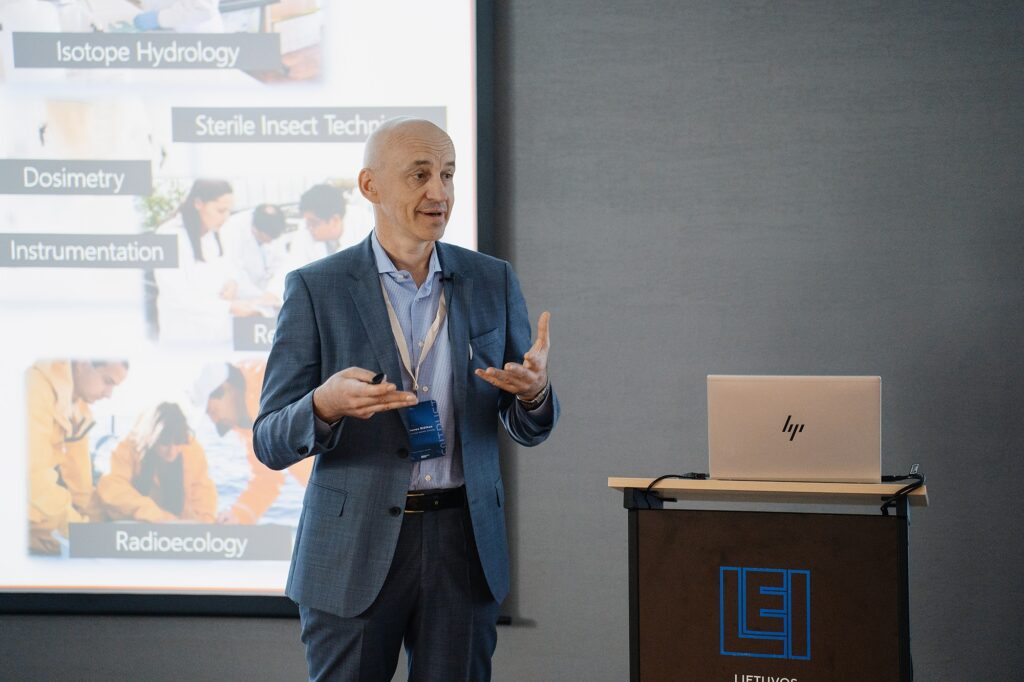
Dr. Habil. Danas Ridikas, Head of the Physics Section at the International Atomic Energy Agency (IAEA), presented the role of nuclear science and applications in the energy sector, highlighting emerging nuclear technologies, research infrastructure, nuclear data, and capacity building for future nuclear energy programmes.
Kristina Rimkūnaitė, Subject Matter Expert at the NATO Energy Security Centre of Excellence (ENSECCOE), addressed the importance of critical energy infrastructure resilience, nuclear energy and innovation for strategic security.
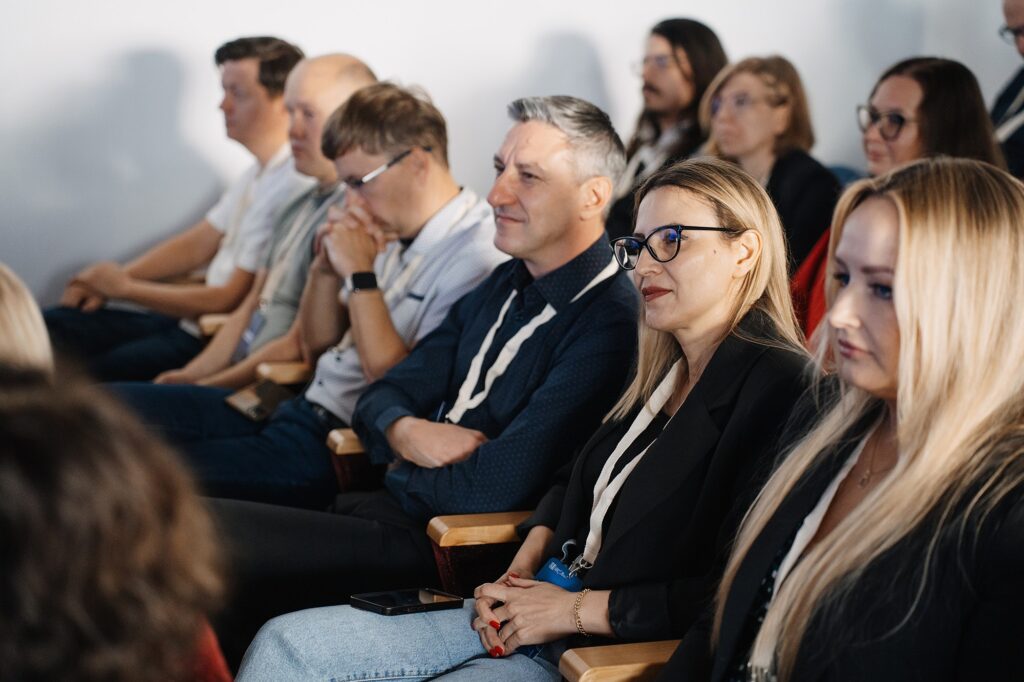
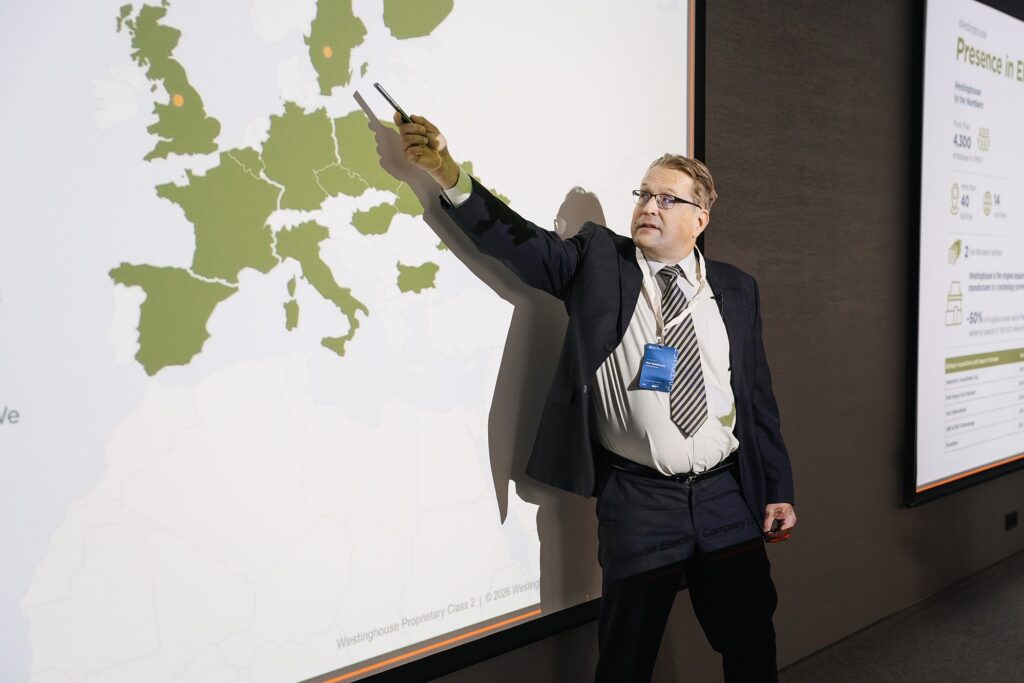
Kim Dahlbacka, Regional Account Director for Eastern and Northern Europe at Westinghouse, explored the potential of new nuclear technologies in the Baltic region.
“The next phase of the energy transition will be won not by ambition alone, but by the ability to deploy proven solutions at scale. In the Baltic region, where energy security and decarbonization go hand in hand, nuclear energy – when standardized and delivered with modern project approaches – offers a clear pathway forward. Yet the real enabler is collaboration between all the stakeholders in the Baltic region. This is how we move from discussion to delivery,” he said.
Dr. Gintautas Klevinskas, Head of Radioactive Waste Repositories at Altra, highlighted how experience gained through decommissioning Ignalina Nuclear Power Plant can support the development and deployment of new nuclear technologies.
Another important topic on the first day was the development of the next generation of energy professionals. Prof. Dr. Eugenijus Valatka, Rector of Kaunas University of Technology, presented the challenges and opportunities of competence-based education for energy engineers. Prof. Dr. Agnieszka Korgul, Professor at the Faculty of Physics at the University of Warsaw and President of the Polish Nuclear Society, discussed how Poland can prepare its future nuclear specialists.
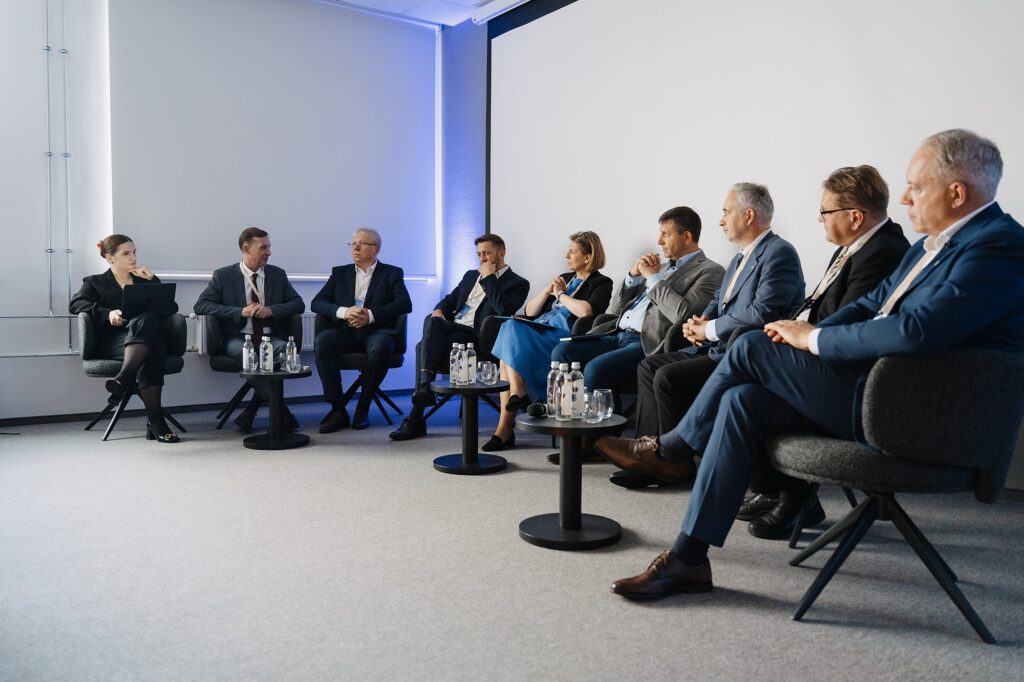
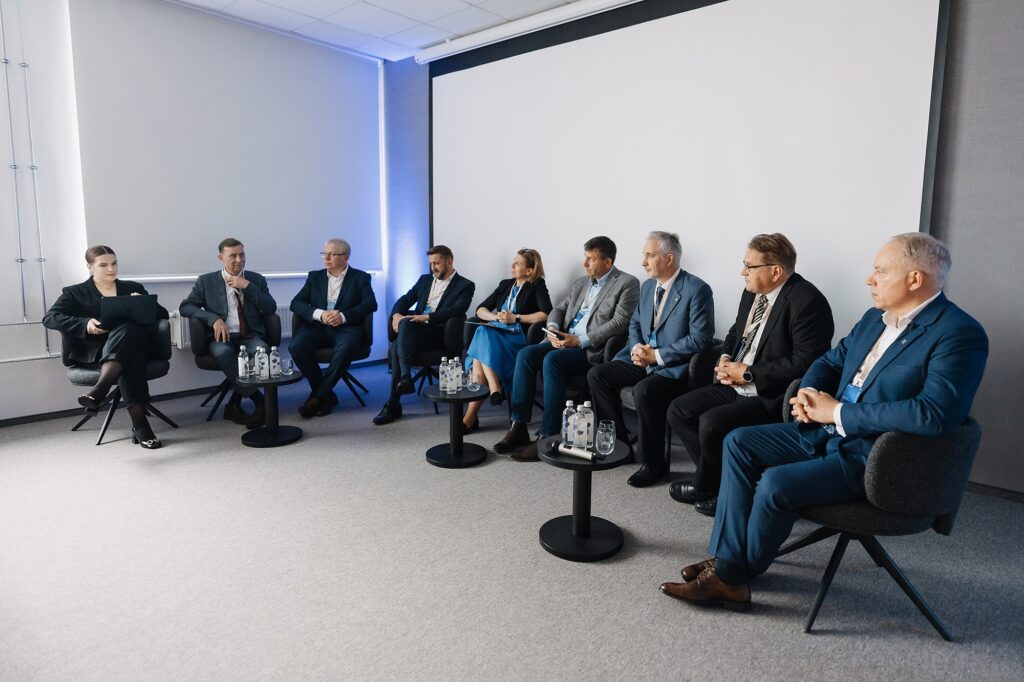
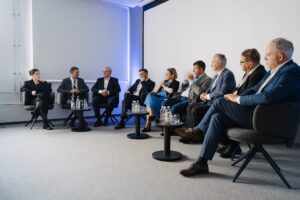
The day concluded with a panel discussion, “Energy Tomorrow: Strategic Choices for Europe and Role of Lithuania,” bringing together representatives of the European and Lithuanian energy sectors, academia and industry. The discussion explored Europe’s strategic energy choices, the role of nuclear energy, energy security and Lithuania’s position in a rapidly changing energy landscape.
From energy-system transformation to emerging technologies
The second day focused on some of the key processes driving the energy transition – changes in energy systems, electrification and emerging technologies. Keynote presentations and discussions explored how the changing energy sector will affect industry, energy consumption and the infrastructure of tomorrow.
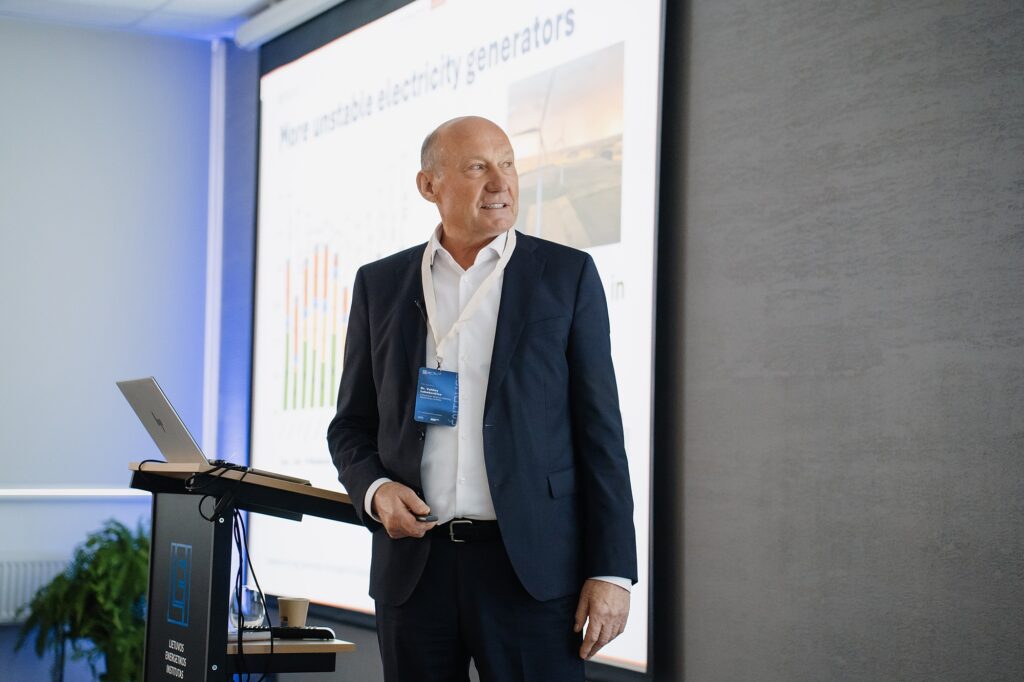
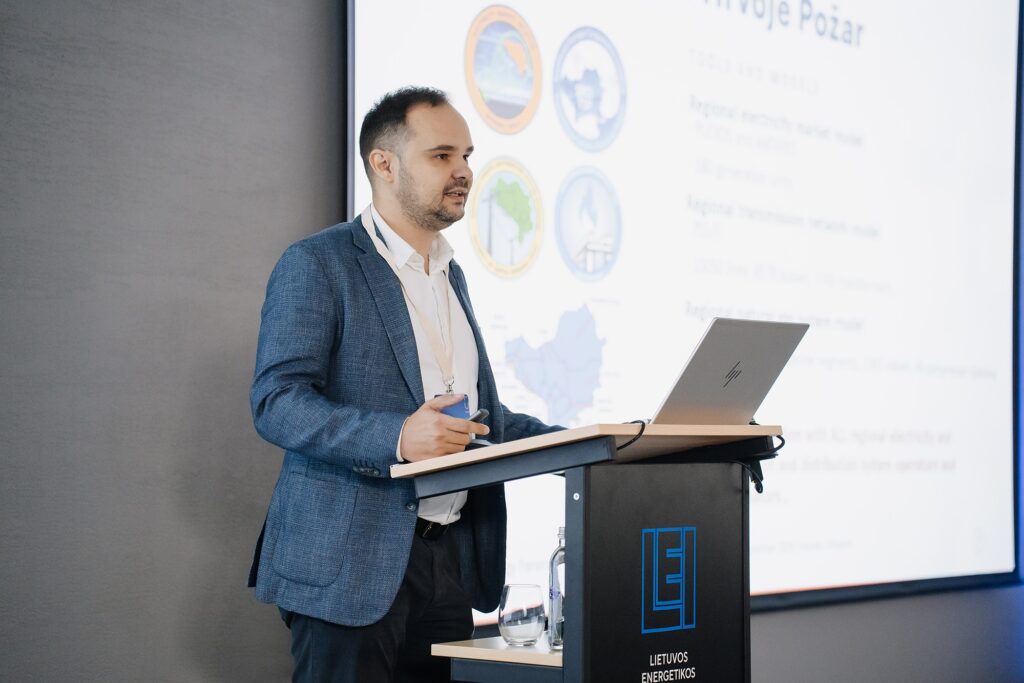
Dr. Dražen Balić, Head of the Department for Energy Generation and Energy Markets at the Energy Institute Hrvoje Požar, discussed the changing requirements for electricity systems and the evolution of energy markets, with a focus on renewable integration, flexibility, and energy storage.
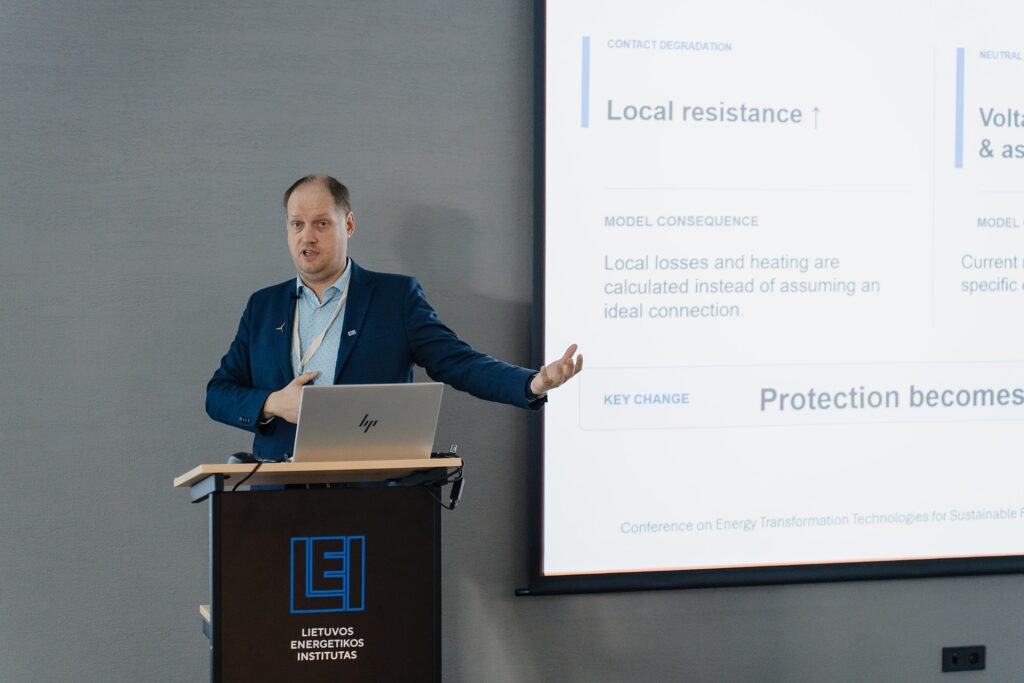
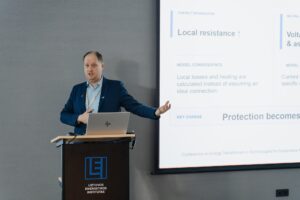
Prof. Dr. Ivo Palu of Tallinn University of Technology drew attention to a less visible aspect of the energy transition.
“Energy transformation is usually discussed through generation, storage, markets and policy – but one of its most critical safety layers remains hidden inside buildings. Changing electricity use, ageing electrical installations, degraded contacts and invisible thermal stress can become reliability, fire-safety and social welfare risks before they are noticed by conventional protection or monitoring systems,” he noted.
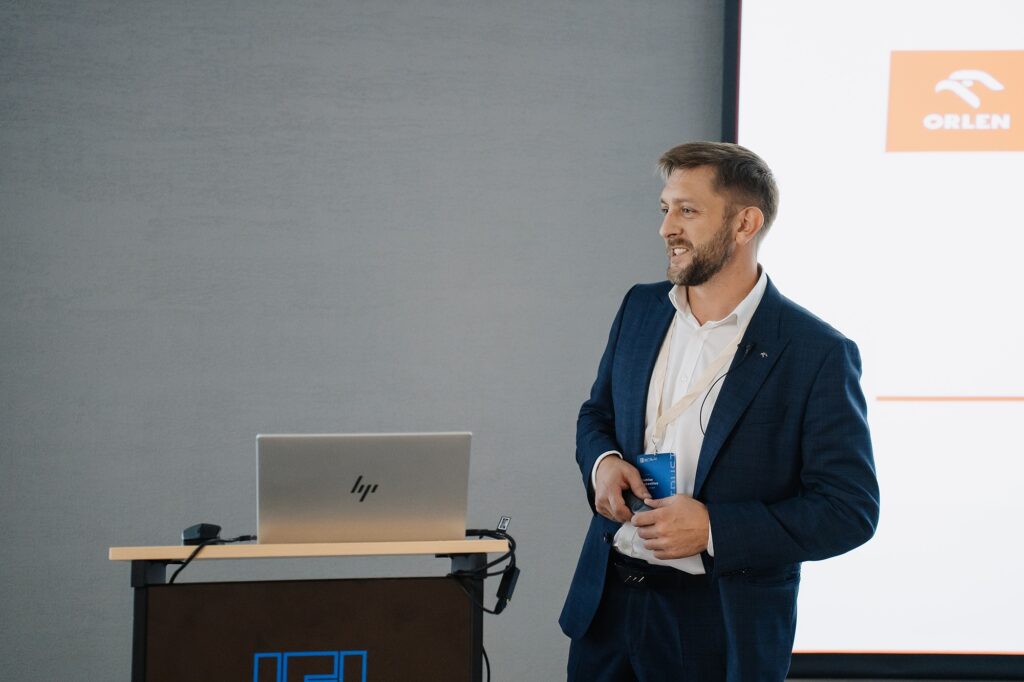
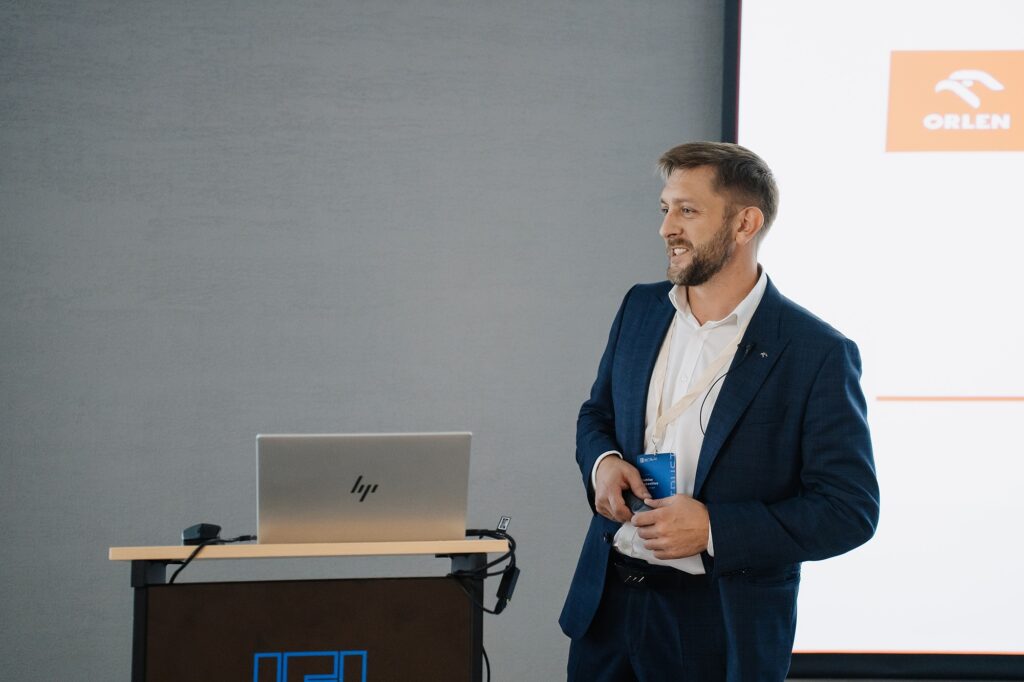
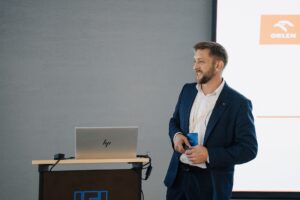
Giedrius Dapkevičius, Energy Director at ORLEN Lietuva, discussed the role of industry in the energy transition and its shift from energy consumer to energy system partner.
“Industrial transformation is already underway, with electrification becoming one of its main drivers. Growing energy demand, decarbonization targets, technological progress, and energy security challenges are reshaping the traditional role of industry – from a passive energy consumer to an active participant in the energy system, integrating renewable energy, flexibility, and new technologies,“ he emphasised.
Dr. Valdas Lukoševičius, President of the Lithuanian District Heating Association (LDHA), addressed the role of district heating in the future energy system.
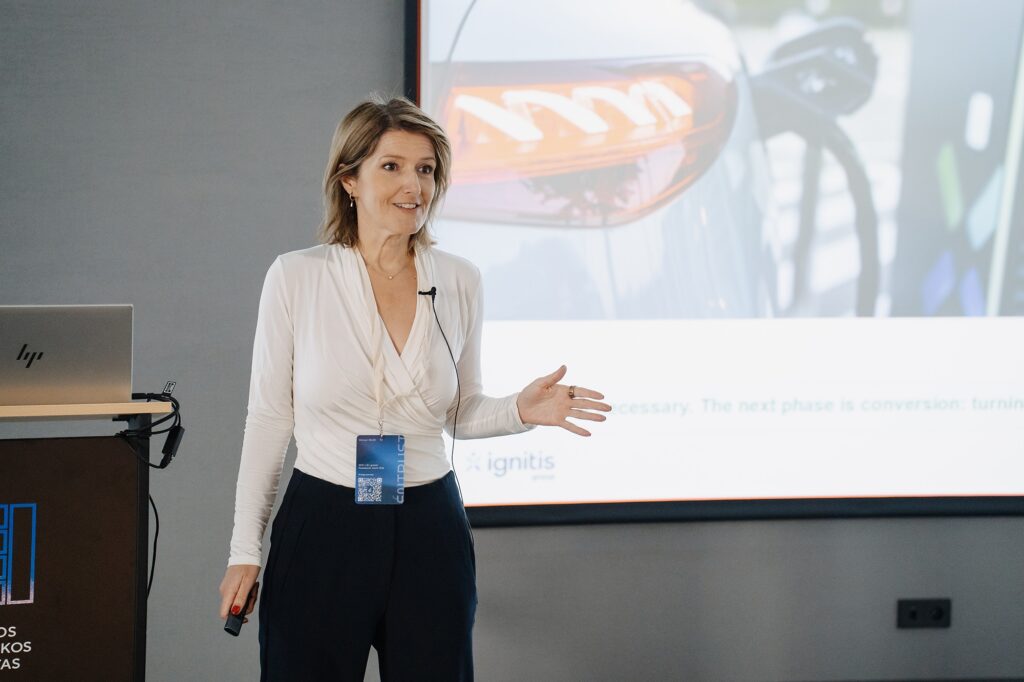
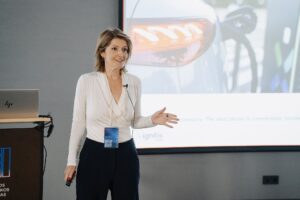
Anu Eslas, Head of European and Baltic Affairs at Ignitis Group and CEO of Ignitis Data Center Solutions, highlighted the growing importance of electricity for Europe’s competitiveness.
“The winners of the next decade will not simply generate green electricity; they will build the ecosystems that allow clean energy to power sustainable economic growth,” she said.
The second day also featured a panel discussion, “Smart Metering and Energy Monitoring in Power Systems – Innovations and Research Directions.” Experts from the energy, technology and research sectors discussed the current state and future of smart metering and energy monitoring, with particular attention to artificial intelligence, the Internet of Things and advanced communication technologies, as well as their potential to create more efficient and flexible energy systems.
Technologies for a sustainable energy future
The third day focused primarily on energy transformation technologies, sustainable solutions and research across a range of energy-related fields. Keynote presentations explored technological innovations that can help reduce energy consumption and emissions, integrate different energy solutions and address some of the most complex challenges of decarbonisation.
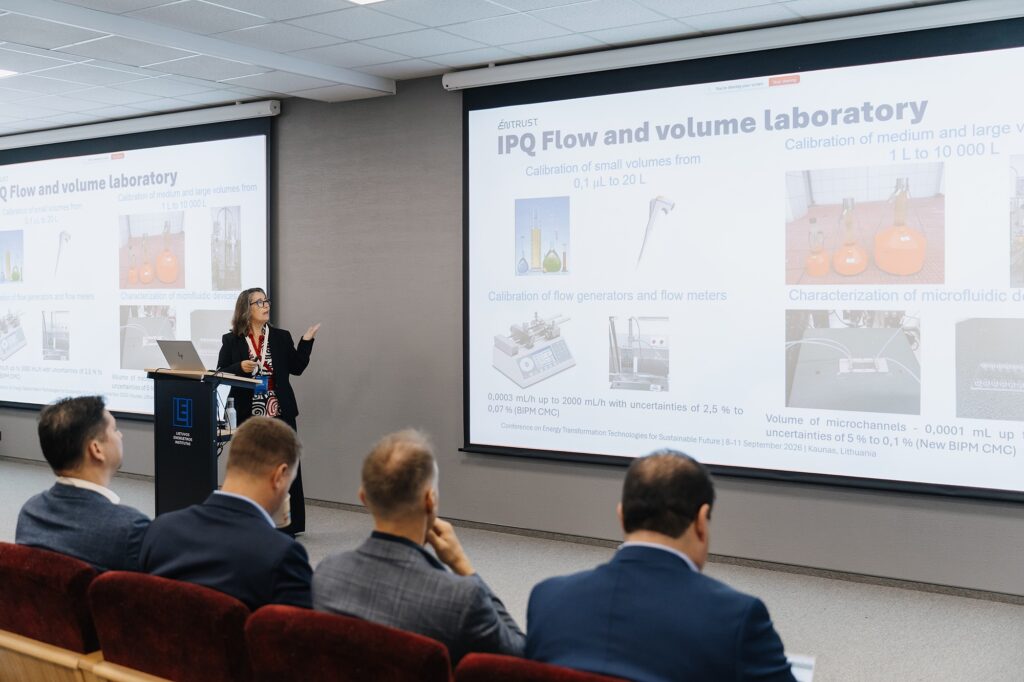
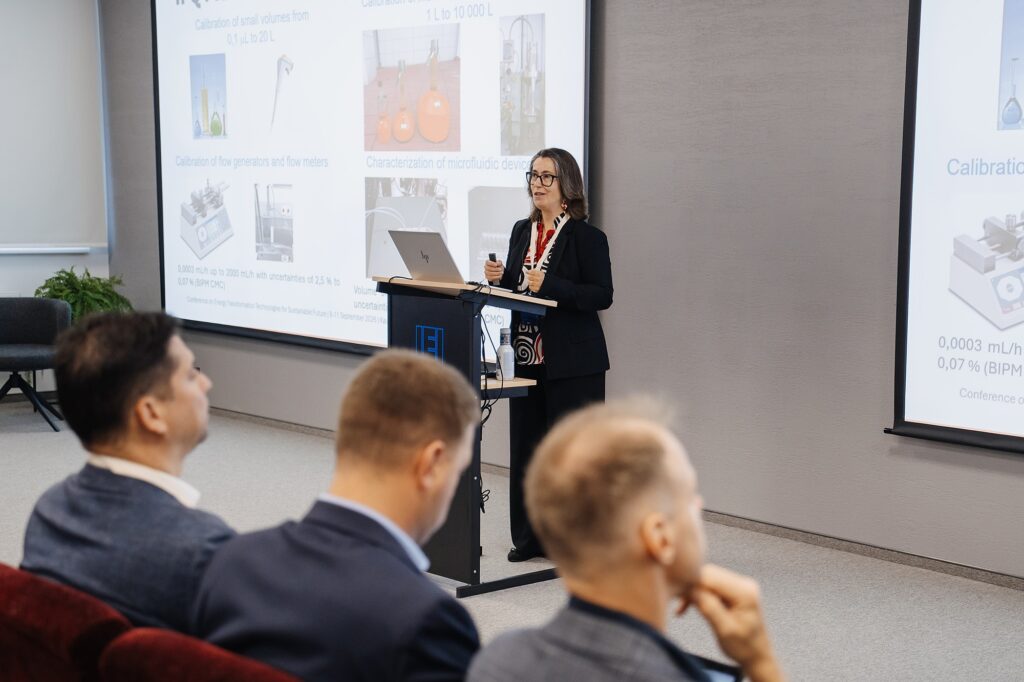
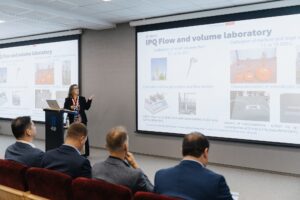
Dr. Elsa Batista, Head of the Volume and Flow Laboratory at the Portuguese Institute for Quality, explored advances in microfluidic measurement technologies and their potential to improve energy efficiency.
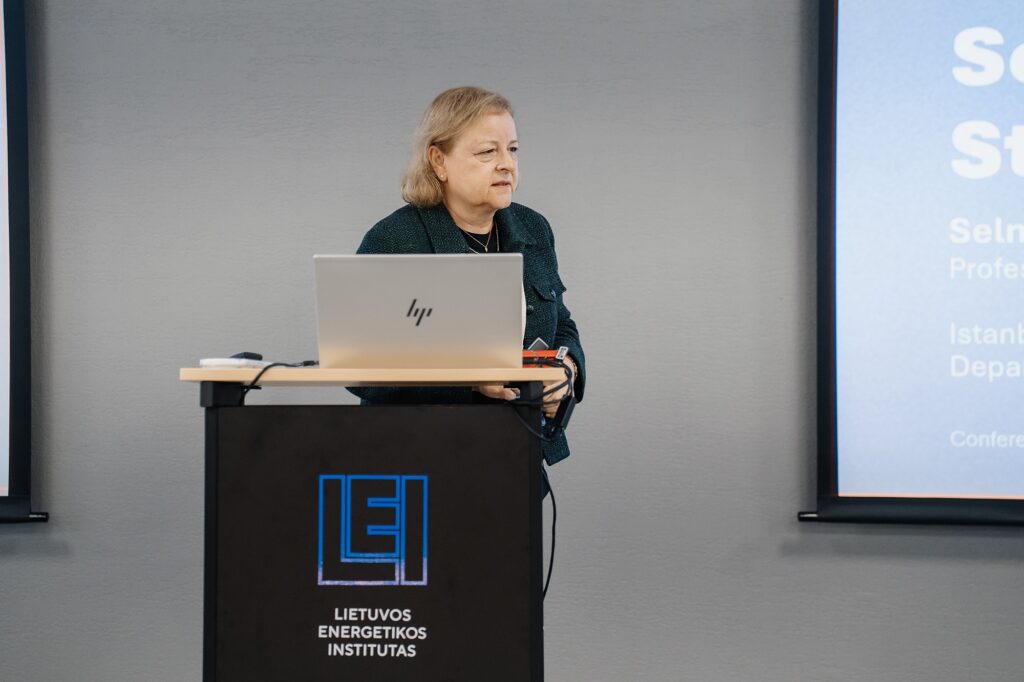
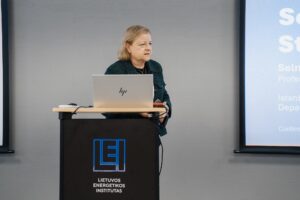
Prof. Dr. Selma Ergin, Head of the Department of Naval Architecture and Marine Engineering at Istanbul Technical University, addressed maritime decarbonisation, focusing on solvent-based carbon capture and storage systems for ships.
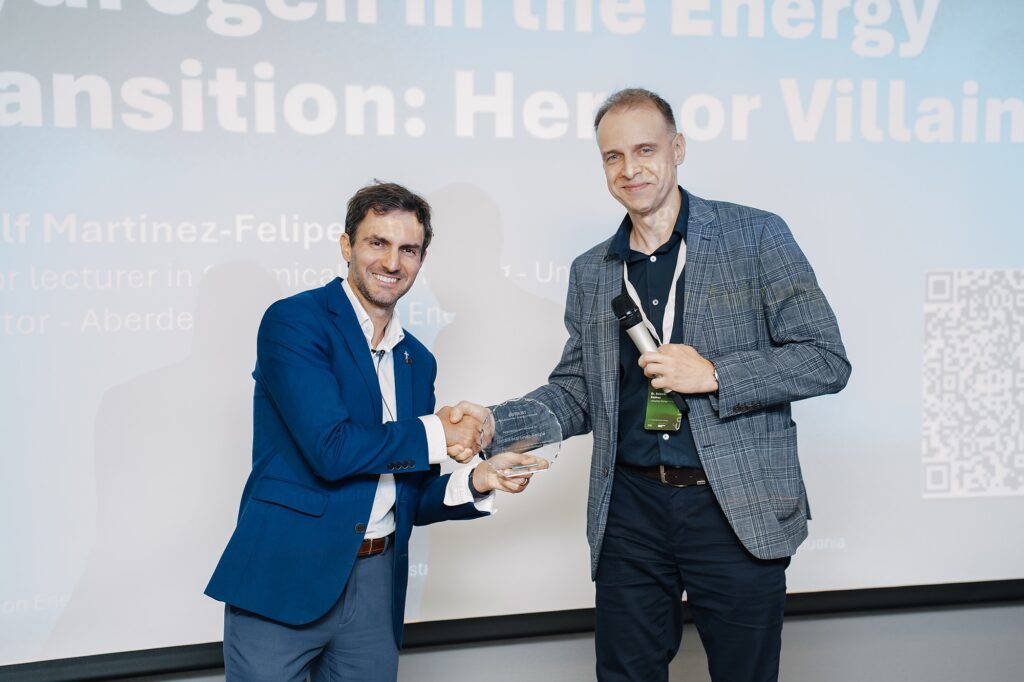
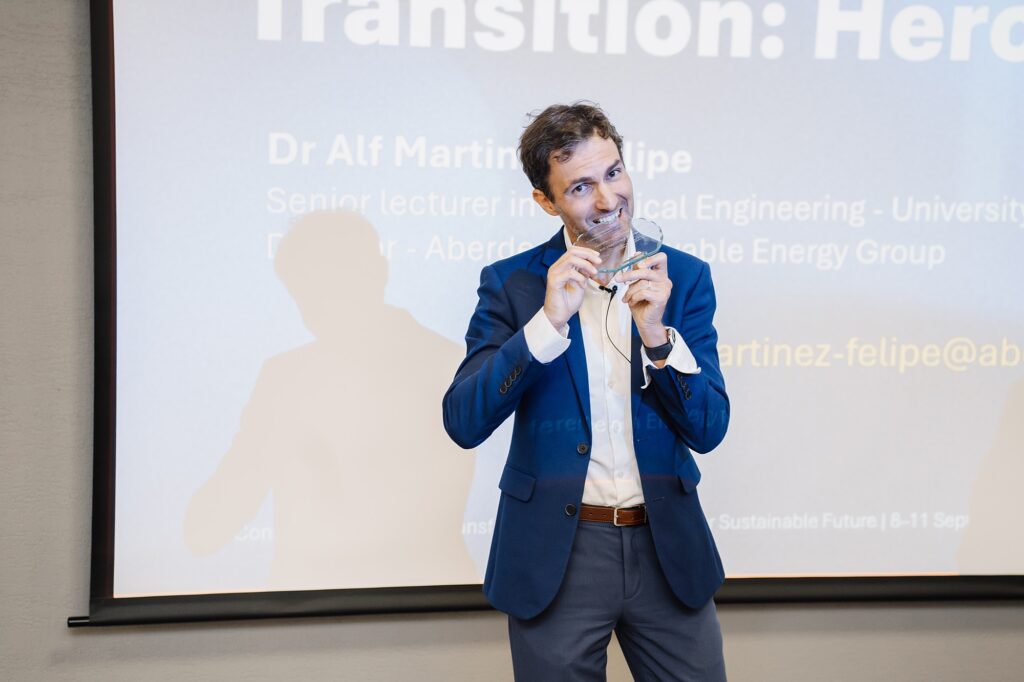
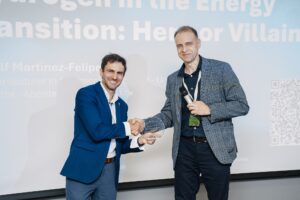
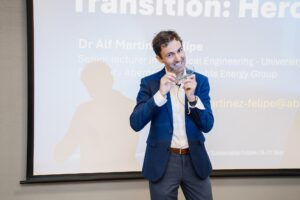
Dr. Alf Martinez-Felipe, Senior Lecturer in Chemical Engineering at the University of Aberdeen, explored the role of hydrogen in the energy transition and its potential benefits and challenges.
“The energy transition is probably the biggest opportunity and challenge that we face as a civilisation. It is deadly urgent but at the same time its perception by society can be easily distorted by other socio-economic and geopolitical events, delaying its implementation. This is why education and demonstration are key to make sure that governments work closely with the private sector and innovators,“ he said.
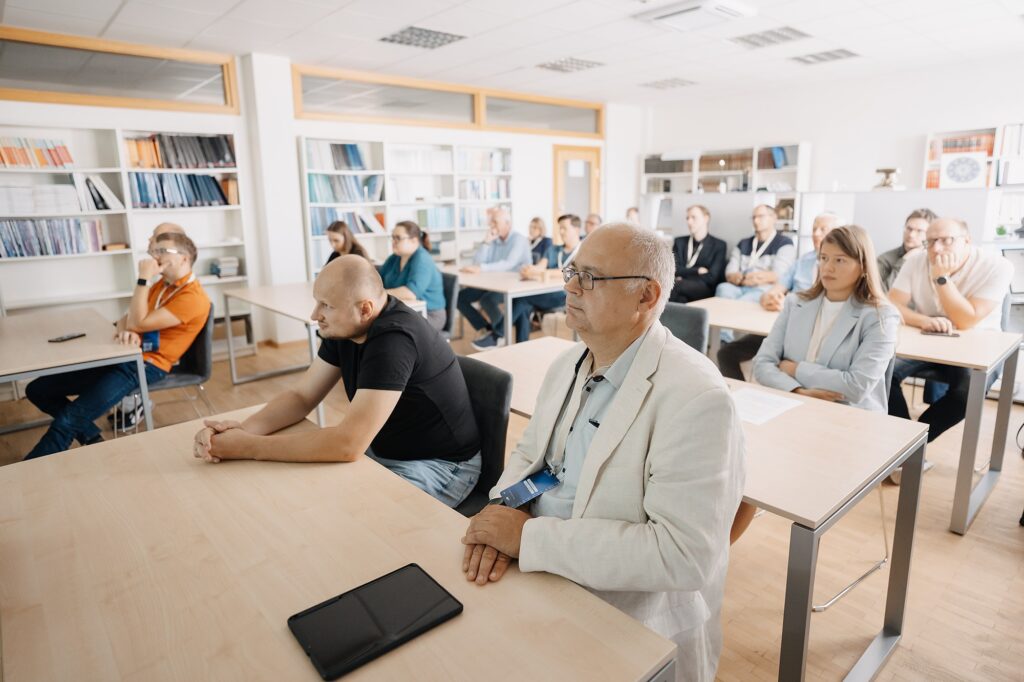
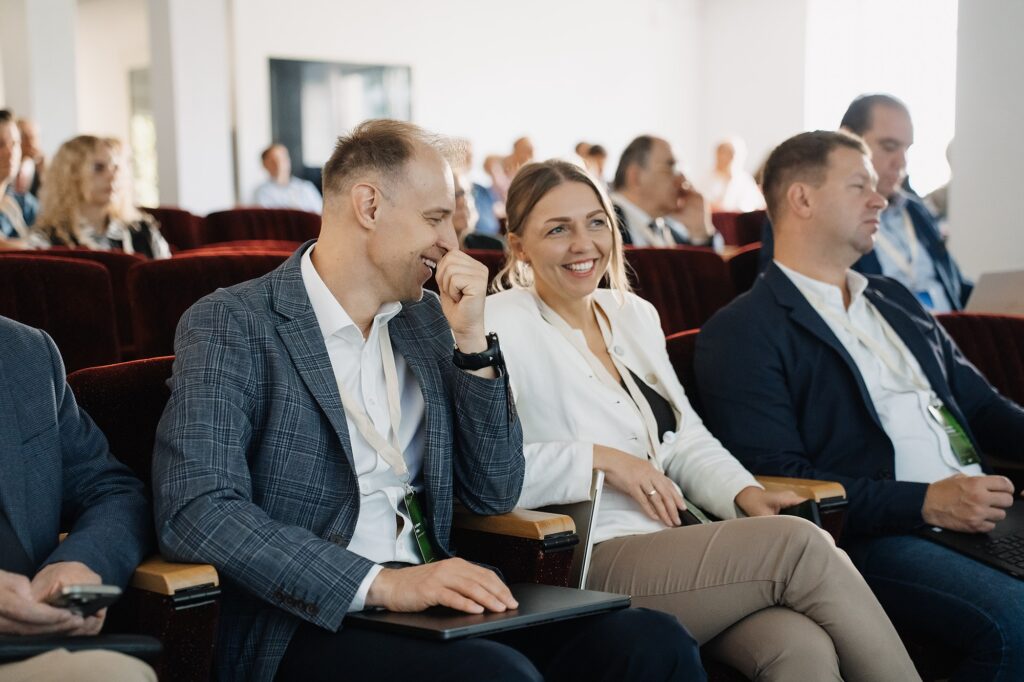
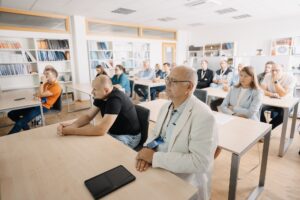
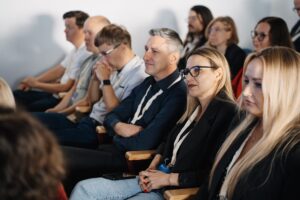
The conference programme also featured seven thematic sessions. Researchers presented their latest findings, ongoing work and emerging research directions. The sessions provided opportunities for both early-career and experienced scientists to share their work, establish new professional connections and exchange ideas with colleagues from different countries.
The fourth and final day concluded the conference with reflections on the event and informal conversations during a barbecue in the LEI courtyard.
A dialogue connecting different fields
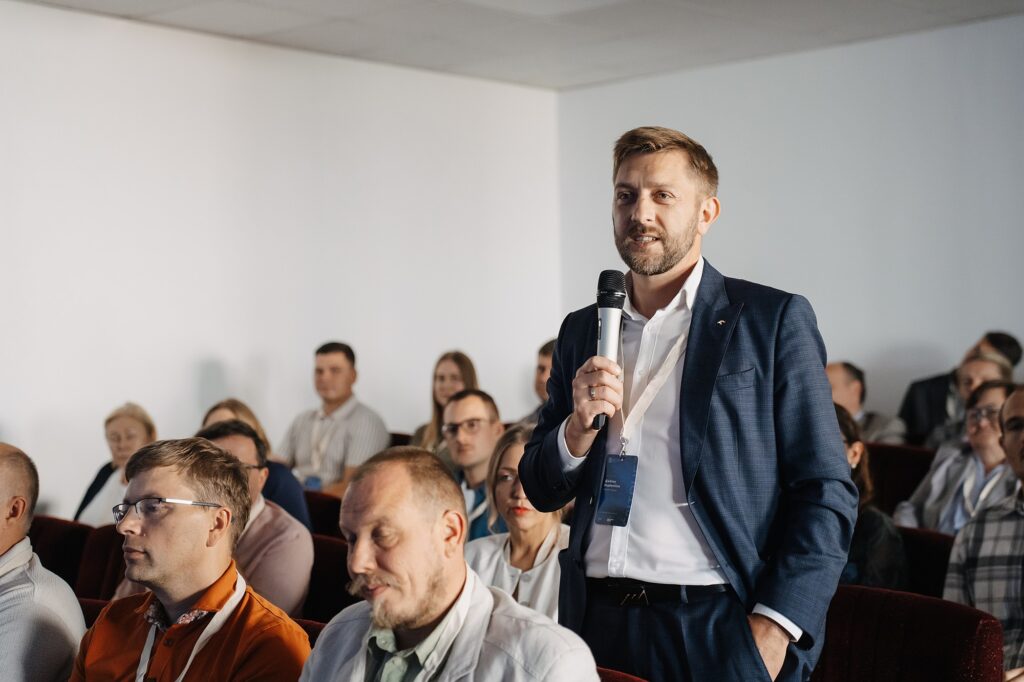
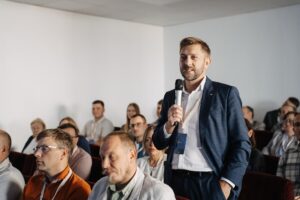
The conference discussions were brought to life by science journalist Goda Raibytė-Aleksa and energy expert Daivis Virbickas, who moderated the sessions. By engaging speakers and participants in open dialogue and asking thought-provoking questions, they helped spark meaningful conversations about today’s key energy challenges and the solutions of tomorrow.
The first ENTRUST conference provided an opportunity not only to discuss pressing energy challenges and emerging technologies, but also to bring together experts from different disciplines and sectors for a shared dialogue. The connections established and discussions initiated during the event will lay the foundation for new research collaborations, partnerships and joint projects.
The conference was an important part of the programme marking the 70th anniversary of the Lithuanian Energy Institute, celebrating seven decades of LEI’s contribution to energy research, innovation and technological development.
The second ENTRUST conference will take place on 11–14 May 2027. The conference is included in the calendar of events for Lithuania’s Presidency of the Council of the European Union in 2027.

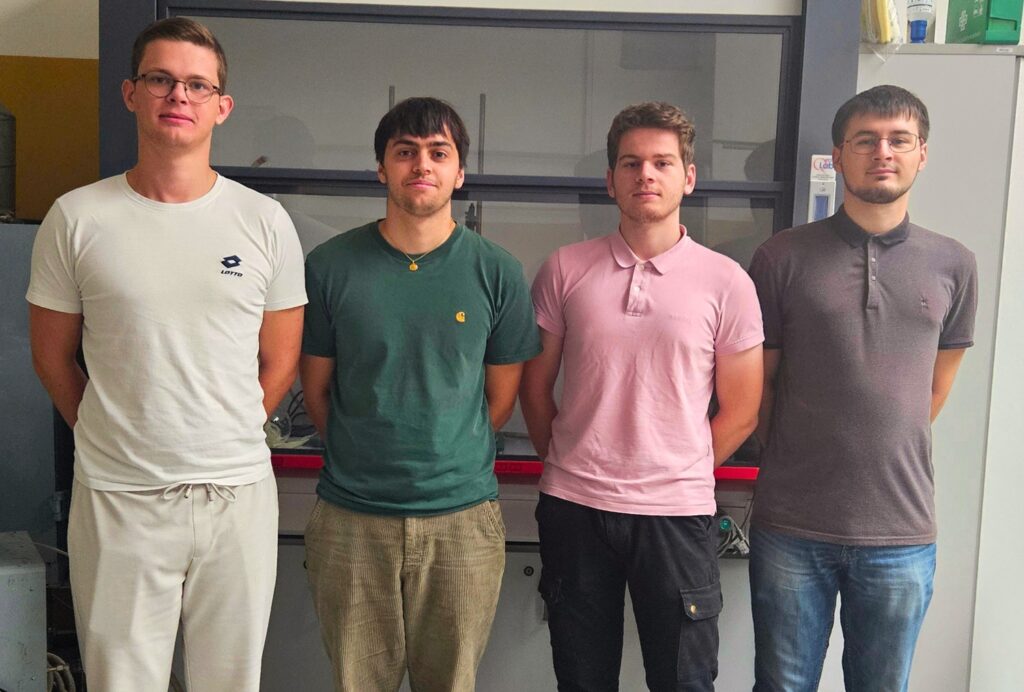
This summer, five engineering students from France completed internships at the Laboratory of Combustion Processes of the Lithuanian Energy Institute (LEI) – Basile Guivarch, Thomas Garbaciak, Thomas André Bernard Pinaud, Maxime Rault and Matthys Beaugendre. Through the Erasmus+ mobility programme, they arrived in Lithuania from the University of Pau and Pays de l’Adour (Université de Pau et des Pays de l’Adour) and the University of Orléans (Université d’Orléans). During their internships, the students contributed to research on combustion technologies, syngas cleaning and the utilisation of landfill gas, while gaining valuable international research experience.
The students are studying different fields of engineering, but they are all united by their interest in sustainable energy technologies and their desire to apply the theoretical knowledge gained during their studies in a real research environment.
Discovering LEI’s Research Opportunities
Although the students followed different paths before arriving at LEI, they were all attracted by the research carried out at the institute and the opportunity to contribute to ongoing scientific projects and the development of sustainable energy solutions. Some of them found the internship opportunities independently while searching for options abroad, while others learned about LEI through their university professors.
B. Guivarch explains that while searching online for a possible internship, he discovered the Combustion Processes Laboratory at LEI and decided to contact the researchers working there. He became interested in the laboratory’s research activities and the opportunity to work with combustion processes and plasma technologies.
For M. Beaugendre, the decision to come to LEI was influenced by his previous experience in Lithuania. He had spent several months studying in Vilnius University through the Erasmus programme, so he decided that completing his internship in Lithuania would also be a great opportunity. He learned about the possibility of joining LEI from one of his university professors.
“I had already spent several months in Lithuania, and I really liked it here, so I thought it would be a good idea to complete my internship in this country as well. One of my lecturers suggested that I look into internship opportunities at LEI, so I contacted the institute,” he says.
T. Garbaciak says that he wanted to complete his internship in one of the Nordic countries. While searching online, he discovered LEI and learned more about the research carried out at the Combustion Processes Laboratory, which appeared to be closely related to his studies. He also shared the opportunity with his classmates T. A. B. Pinaud and M. Rault.
“I also found an article on the institute’s website about other students from France who had completed their internships here the previous summer. We thought – if LEI had already welcomed French students, maybe we could try as well. Perhaps next year French students will read an article about us and decide to come to LEI too,” T. Garbaciak says with a smile.
Research for a More Sustainable Future
During their internships, the students worked on several different research projects carried out at LEI. Some of them investigated the application of plasma technologies in combustion processes and contributed to the development of fuel-flexible burner technologies for glass-melting furnaces, while others focused on finding efficient solutions for syngas purification and analysing the potential use of landfill gas for energy production.
Working in the laboratories, the students not only carried out experiments but also analysed the collected data, became familiar with research planning processes and learned how to operate modern laboratory equipment. They used a gas chromatographs (GC), an FTIR analysers and other instruments that allow researchers to evaluate gas composition and analyse the processes taking place.
According to the students, many of the research methods were familiar from their university courses; however, the internship gave them the opportunity to apply this knowledge independently for the first time.
Process engineering students T. Garbaciak and T. A. B. Pinaud were pleased to contribute to the development of more sustainable syngas technologies. During their internship, they investigated how unwanted compounds can be removed from syngas by using different materials and evaluating their efficiency. According to the students, such solutions could contribute in the future to reducing the use of fossil fuels in the chemical industry and energy sector.
The students say that this work helped them better understand processes that they had previously encountered mainly during their studies.
“At university, we learned about many of these methods theoretically, but it is completely different when you perform the experiment yourself, analyse the results and understand why they turn out the way they do. This kind of experience helps to understand the topics covered during studies much better,” says T. Garbaciak.
During their internships, M. Beaugendre and B. Guivarch worked on the application of plasma technologies in combustion processes. According to B. Guivarch, the opportunity to gain a deeper understanding of this process was one of the most interesting aspects of the internship. The student explains that before arriving at LEI, he had limited knowledge of plasma technologies, so the opportunity to see in practice how plasma can be used in combustion processes became one of the most memorable experiences.
Meanwhile, M. Rault contributed to the LoCaGas project, in which a team of researchers investigates the possibilities of using landfill gas for energy production. During his internship, the student analysed whether gas streams with lower methane concentrations could still be used for energy generation.
Discovering Lithuania
Some of the French interns had already visited Lithuania before coming to LEI. B. Guivarch studied at Kaunas University of Technology through the Erasmus programme, while M. Beaugendre spent five months studying in Vilnius University. For the other students, the internship at LEI became their first opportunity to discover Lithuania. All of them agree that the country left a positive impression.
Kaunas appeared to the French students as a convenient, well-organised and student-friendly city. They appreciated the well-developed public transport system, the possibility of easily reaching different parts of the city and the infrastructure available for active leisure activities, including sports facilities and other recreational spaces.
“Lithuania is a very convenient place to live. Everything is easy to reach, the city is clean and beautiful, and everyday life is very comfortable for students,” B. Guivarch shares his impressions.
The students also appreciated the welcoming atmosphere at LEI. According to them, the researchers working at the institute are willing to share their knowledge and experience and provide valuable advice. This support helped the students adapt to laboratory activities more quickly, feel more confident when carrying out practical tasks, deepen their professional knowledge and gain valuable experience.
An Experience That Builds the Future
The students’ future plans vary – some of them would like to work in the energy or engineering sectors, while others see themselves pursuing careers in large industrial companies. Although not all of them have made a final decision about their future career path, they agree that the internship at LEI helped them apply the theoretical knowledge gained during their studies in real-life situations, better understand engineering processes and develop new skills in working with laboratory equipment and analysing data.
The students also recommend LEI internships to other students. According to them, the institute brings together experienced researchers, the laboratories are modern, and the working environment is very friendly. For the students from France, the internship at LEI provided not only professional knowledge and practical skills but also an opportunity to experience another culture and work in an international research environment.
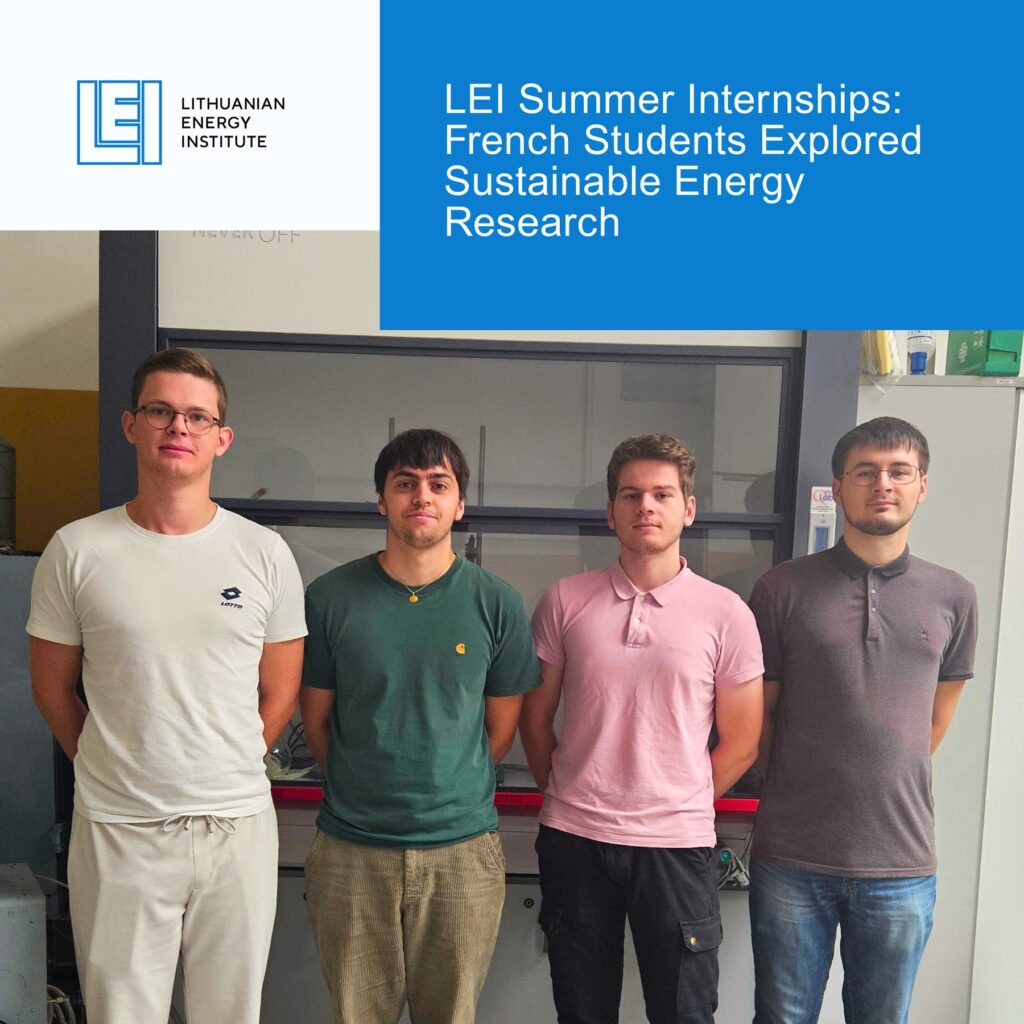
Congratulations to Mohab Maher Mahmoud Elsayed Salem, a Junior Research Associate at the LEI Nuclear Engineering Laboratory, who successfully defended his PhD dissertation on 27 August 2026 on the topic of Experimental study of heat transfer from humid air along a condensing economiser (Technological Sciences, Energetics and Power Engineering, T006).
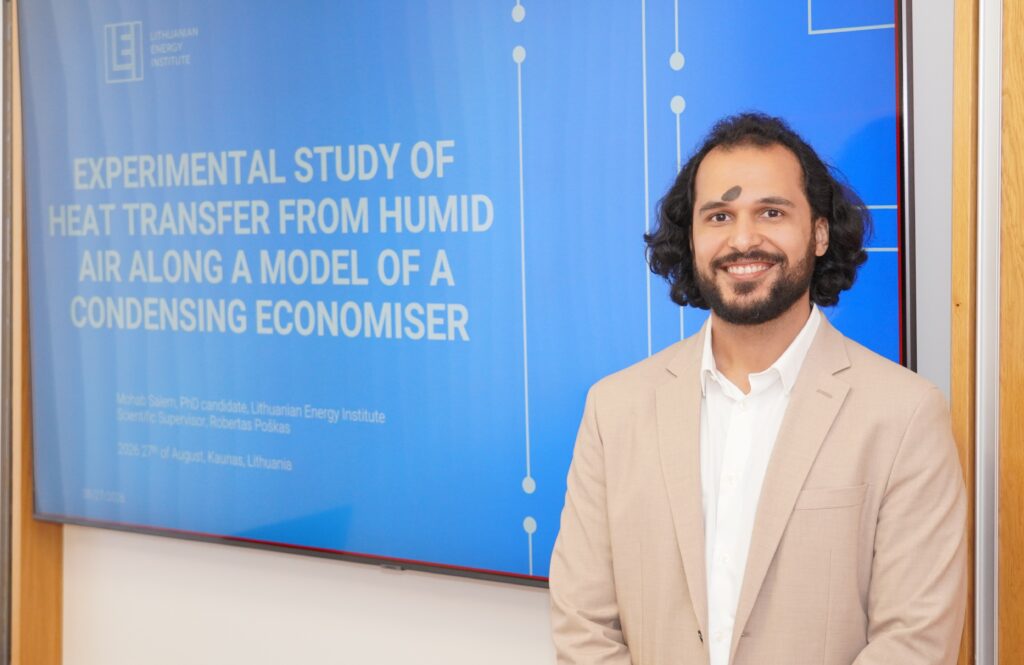
“A conversation becomes a catalyst for change when it produces more than mutual understanding,” says Goda Raibytė-Aleksa, moderator of the ENTRUST conference.
For Goda Raibytė-Aleksa, meaningful dialogue is not just about sharing ideas – it must also lead towards action. She believes that many of today’s challenges cannot be addressed within the boundaries of a single discipline or sector. Bringing together scientific expertise, business experience, policy and community perspectives is essential for understanding complex issues and developing solutions that work in practice.
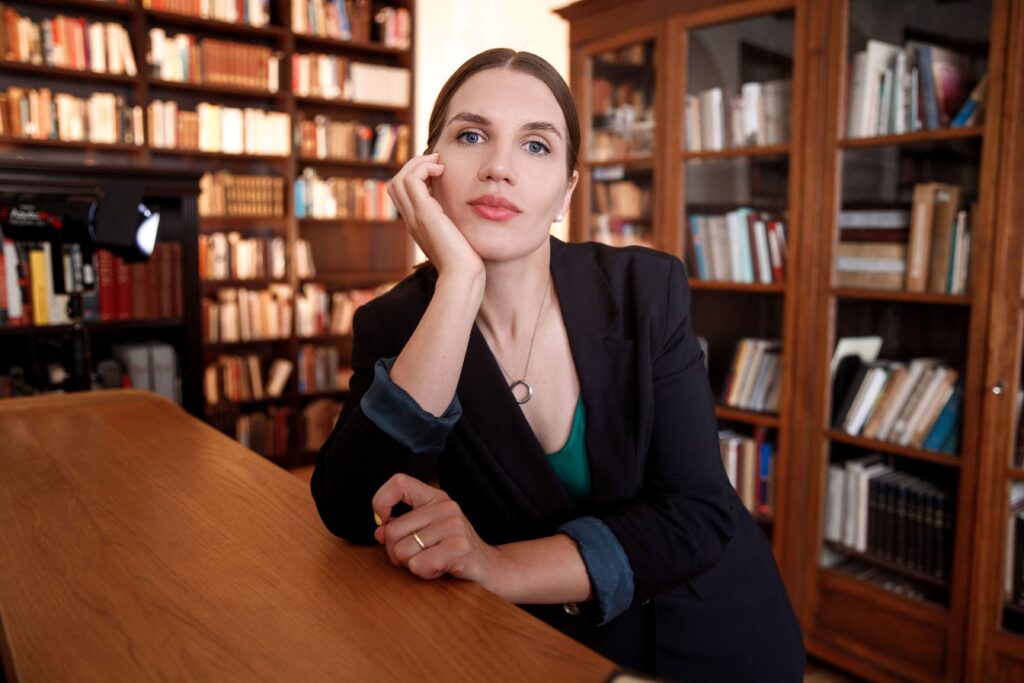
Goda Raibytė-Aleksa is a science journalist, communicator and educator dedicated to making science more accessible to society. She is a freelance journalist, television and radio presenter, event host, and author.
Ahead of ENTRUST, we spoke with her about the role of science communication in building trust, the importance of dialogue between science and society, and how collaboration across disciplines can help turn knowledge into meaningful action.
– We live in a time of information overload, where artificial intelligence can generate answers in a matter of seconds. In your view, how can we maintain trust in reliable knowledge and ensure that scientific evidence and expertise do not get lost in the growing information noise?
– Such a difficult question. I think we are all human beings, trying to understand life. But we haven’t been given tools to distinguish what’s real. So “maintenance” comes from critical thinking, information literacy, science communication, etc. Scientific institutions must be proactive and not expect the society to just magically start trusting them 100%. In a perfect world, ideally, it would happen this way but in reality – unfortunately not.
Going back to science communication – it’s one of the most powerful tools we have. We must have a strategic systematic approach not just try something and see if it works. Institutions must take responsibility to teach their scientists to communicate (because it’s a skillset and you can learn it as anything else in this world). Also, I see we still view our society as monolite. But it’s not – so many different groups, different people, with different worldview, level of knowledge, background, etc. If we try to speak to them like they are one – we will fail. So, as Carl Sagan correctly said, we must temper our criticism with kindness.
– As a science journalist, what do you see as the biggest challenge in science communication today: explaining complex topics, capturing and maintaining audience attention, or building public trust?
– Probably strategic thinking or the lack of it, also evidence-based decisions and actions. Trust me, those who spread disinformation and fake news have all the answers and use tools to boost it. Fake news on steroids. Repeating the same message more loudly is therefore not enough. Scientists and communicators need to understand why people resist it, what they fear losing and who they are prepared to trust.
– In your experience, are there topics that scientists have been communicating consistently, yet society still struggles to hear or fully engage with? Why do you think that happens?
– Anthropogenic climate change, vaccines – just to name a few. I don’t like to put all of the responsibility on society. I think it struggles to fully engage because billions-worth efforts were put into this mistrust and doubt. And it’s been happening for decades!
– You have said that the most important breakthroughs are not born in laboratories or meeting rooms alone, but where different kinds of expertise come together. In your opinion, what helps turn dialogue into something meaningful and effective, rather than just an exchange of opinions? When does a conversation become a catalyst for change? What needs to happen for dialogue to lead to real solutions?
– Not all conversations and ideas turn into action, nor should they. A conversation becomes a catalyst for change when it produces more than mutual understanding. Someone has to take responsibility for the next step. There need to be decisions, resources, deadlines and a way to evaluate whether anything has actually improved.
Also, in my opinion, the environment is extremely important as well. If you are surrounded by proactive professionals, if there’s enough funding for risky research, if you live in a democratic country where you have academic freedom, it becomes much easier. And… a little bit of coincidence. So much amazing research happened because of pure coincidence.
– ENTRUST will bring together researchers, business leaders, innovators, and other stakeholders. Why is dialogue across disciplines and sectors more important than ever today, and what unique value can it create?
– The problems we face, I think, don’t fit neatly in academic departments or professional sectors. AI is a legal, social, economic, ethical and political issue. The same is true of climate change, healthcare, biotechnology and energy.
Researchers can explain what is scientifically possible. Businesses understand how ideas can be implemented and scaled. Policymakers understand regulation and public responsibility. Civil-society organisations and communities can reveal consequences that may remain invisible from inside a laboratory, company or ministry.
But a technology may be scientifically impressive but socially harmful. A policy may be ethically sound but impossible to implement. A business model may be efficient but deepen existing inequalities. Cross-sector dialogue helps identify those tensions before they become failures.

ENTRUST conference abstract submission and registration deadlines are approaching.
Abstracts must be submitted by 15 August 2026. They should be prepared in English and briefly present the research focus, methodology, key results, and main conclusions. The abstract length is limited to 2,500 characters. You can submit your abstract here
Registration for the conference is open until 21 August 2026.
The ENTRUST Conference will take place on 8–11 September 2026 at the Lithuanian Energy Institute in Kaunas, Lithuania, bringing together researchers, innovators, industry professionals, and policy makers to discuss technological solutions for energy transformation.
More information here
The first international scientific conference Energy Transformation Technologies for Sustainable Future (ENTRUST) will take place on 8–11 September 2026 at the Lithuanian Energy Institute (LEI) in Kaunas, Lithuania. The new international event will bring together researchers, technology developers, industry innovators, policymakers, and other experts to discuss the challenges and opportunities shaping the future of sustainable energy systems.
Bringing Different Perspectives Together
Initiated by the Lithuanian Energy Institute, ENTRUST is designed as a platform for dialogue between science, industry, and the public sector. The conference aims not only to showcase the latest scientific achievements and technological developments, but also to foster collaboration in addressing the complex challenges of energy transformation.
The programme will cover a broad range of topics, from renewable energy integration and energy storage technologies to hydrogen solutions, energy efficiency, and other innovations contributing to the development of resilient and sustainable energy systems.
ENTRUST stands out for its interdisciplinary approach. Rather than focusing solely on individual technologies, discussions will explore the interaction between scientific advances, innovation, economics, and public policy. The organisers hope the conference will become a place where new ideas, partnerships, and international research initiatives take shape.
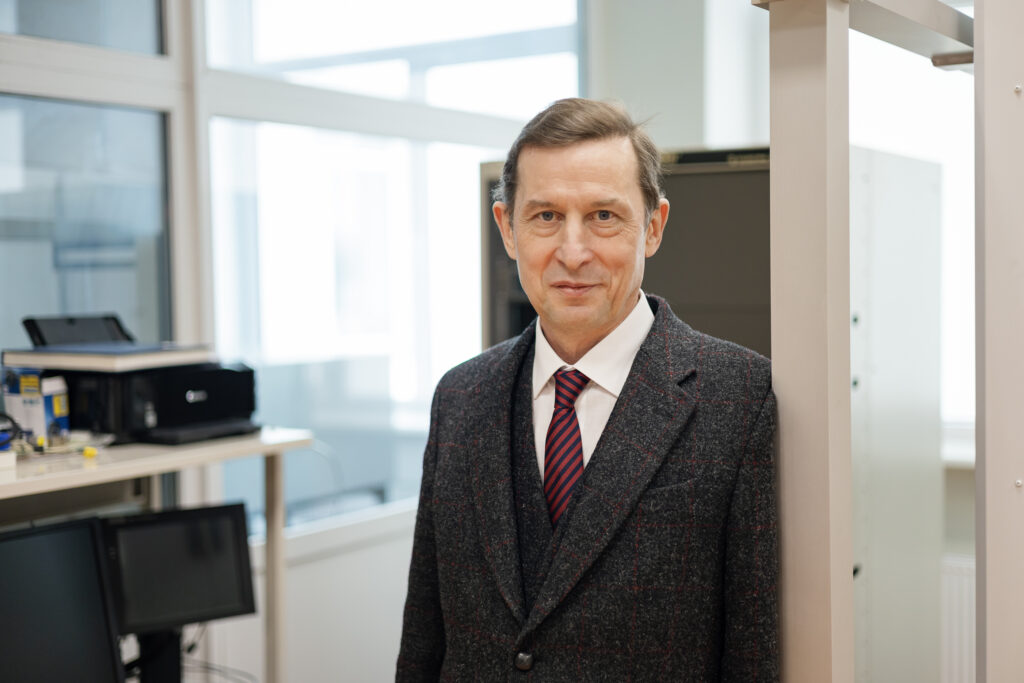
According to Prof. Dr. Saulius Gudžius, Director of the Lithuanian Energy Institute, the idea behind the event emerged from the growing need for broader dialogue on the future of energy.
“Energy transformation is a complex process that requires not only new technologies, but also close cooperation between science, industry, and the public sector. Through ENTRUST, we aim to create an environment that encourages meaningful scientific exchange, new partnerships, and critical thinking about how energy research can contribute to secure, sustainable, and economically viable solutions,” says Prof. Gudžius.
70 Years of Energy Research: From Legacy to Modern Solutions
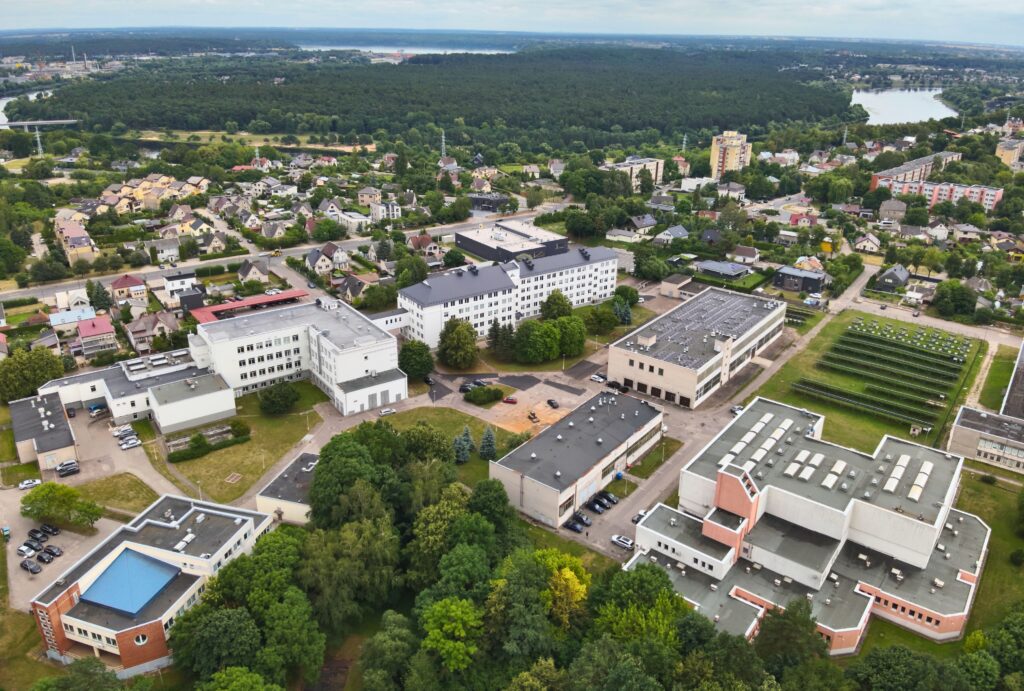
The programme will open with a day dedicated to the 70th anniversary of the Lithuanian Energy Institute. It will be an opportunity to reflect on the institute’s journey and its contribution to energy research in Lithuania and across the Baltic region.
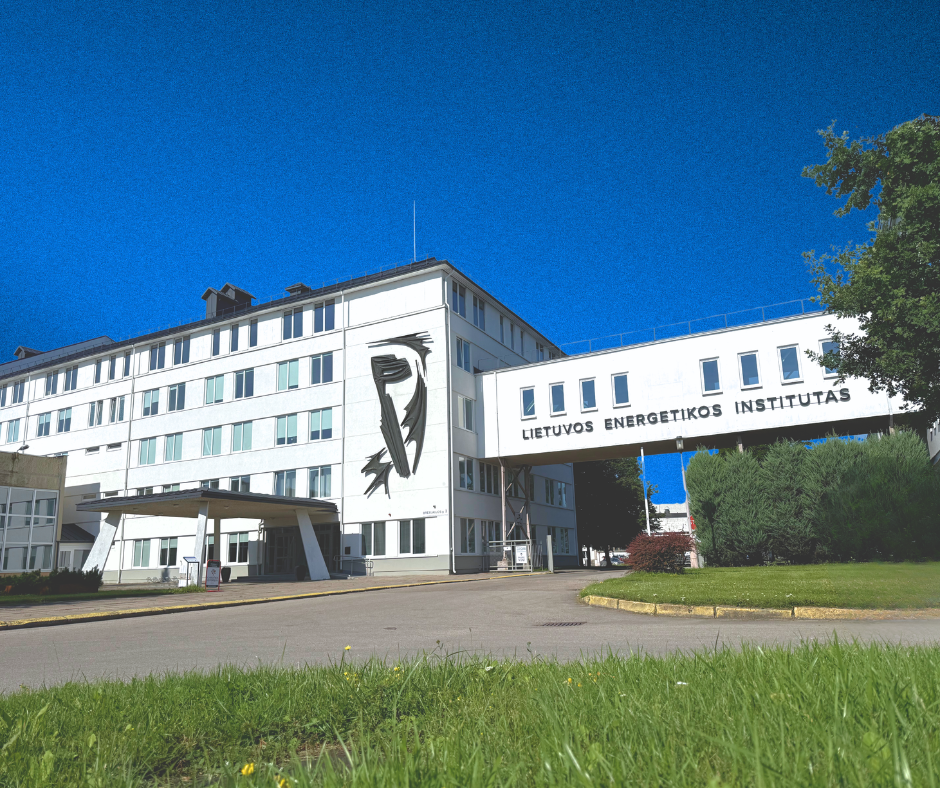
The institute’s history dates back to 1 October 1956, when several laboratories of the Physics and Technical Institute of the Lithuanian Academy of Sciences were reorganised into the Energy and Electrical Engineering Institute in Kaunas.
Over the following decades, the institute evolved continuously, adapting its structure and expanding its scientific activities. In 1992, it was given its current name, becoming the Lithuanian Energy Institute. Today, LEI is recognised as one of the leading energy research centres in the Baltic region, carrying out both fundamental and applied research in areas such as nuclear energy, renewable energy technologies, hydrogen solutions, and other energy-related fields.
Leading Experts to Share Their Vision for the Future of Energy
The ENTRUST keynote programme will bring together internationally recognised experts from academia, industry and the public sector. Speakers will include Dr. Darius Ancius, Policy Officer – INCO (International Cooperation) at the European Commission’s Directorate-General for Research and Innovation (DG RTD), C4 Euratom Research; Kim Dahlbacka, Regional Account Director (Eastern & Northern Europe) at Westinghouse; Giedrius Dapkevičius, Energy Director at ORLEN Lietuva; Prof. Dr. Eugenijus Valatka, Rector of Kaunas University of Technology; Dr. Alf Martinez-Felipe, Senior Lecturer in Chemical Engineering at the University of Aberdeen and member of the Aberdeen Renewable Energy Group and Just Transition Lab; Prof. Dr. Agnieszka Korgul, Professor at the Faculty of Physics, University of Warsaw; Prof. Dr. Ivo Palu, Professor at Tallinn University of Technology, and other experts from leading research institutions and industry.
The keynote presentations will explore some of the most pressing issues shaping the energy transition, including European energy policy, the future of nuclear energy and fusion, industrial electrification, hydrogen technologies, energy security, decarbonisation, and the education of future energy professionals. These topics will serve as a starting point for discussions between researchers, industry leaders and policymakers, fostering collaboration and identifying solutions for building a secure, competitive and sustainable energy future.
Guiding the Dialogue on Energy’s Transformation
The first international ENTRUST Conference will be moderated by two well-recognised professionals in their respective fields – energy expert Daivis Virbickas and science journalist Goda Raibytė-Aleksa. Their experience in energy and science communication will help foster meaningful dialogue between researchers, innovators, business leaders, and policymakers.
“At a time when the energy sector is undergoing rapid transformation, people remain its most important driving force. The future of energy is being shaped by professionals who are developing innovative, sustainable, and environmentally responsible solutions today. Their knowledge, expertise, and dedication are shaping the energy system of tomorrow – one we can be proud of,” says D. Virbickas.
According to Goda Raibytė-Aleksa, today’s major challenges – from climate change to artificial intelligence – can no longer be addressed within the boundaries of a single discipline.
“The most important breakthroughs happen where different kinds of expertise come together. Scientists provide evidence and knowledge, businesses contribute the ability to implement solutions quickly, and society helps direct change toward real needs. Such meetings allow science to become not only a tool for creating knowledge, but also for solving real-world problems,” she says.
The organisers hope that ENTRUST will develop into a long-term international platform for collaboration between science, industry, and the public sector, helping to accelerate innovation and contribute to a more sustainable energy future.