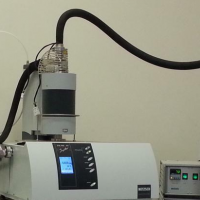
Thermal analysis of materials with evolved gas analysis by FTIR and GCMS methods.
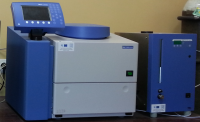
Determination of heating value of biofuel, mixtures and calorific waste for determination of suitability of combustion in industrial furnaces.
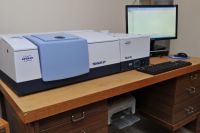
Applicable for the spectral analysis of liquid, solid and gaseous samples of organic or non-organic origin, and dynamic mode of spectral analysis of evolved gases.
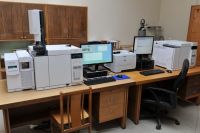
Used for the analysis of the products from biofuel thermal destruction (gasification) and combustion.
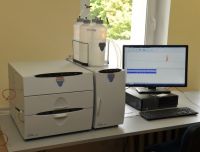
Determination Cl, F, Br concentration in the fuel to assess the potential environmental impact of harmful elements and fuel quality indicators.
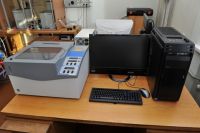
The influence of the humidity of air supplied for combustion on combustion process efficiency.
Studies on measurement accuracy of air humidity sensors.
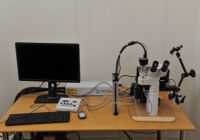
Studies on fluid and gas dynamics at low speeds near the surface of the membrane and various trace elements, surface fouling.
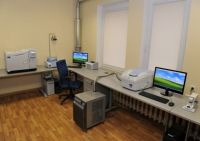
Determination and analysis of ash content, volatile matter and volatile composition of biofuels and recovered fuels Analysis of materials state transitions.
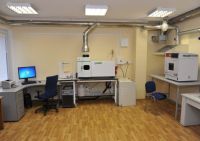
Major and minor element analysis of liquid and solid organic and mineral compounds of biofuels and recovered fuel.
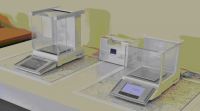
Solid and liquid fuels, including biofuels and recovered fuel samples weighing in fuel moisture and ash analysis.
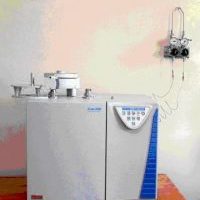
Analysis of the main chemical elements C / H / N / S and O in solid and liquid fuels, including biofuels and recovered fuels.
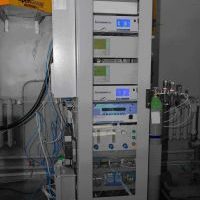
Research and testing of thermal equipment (boilers, fireplaces, etc.) with solid biomass and recovered fuel, and with liquid and gaseous fuels.
Investigations of low velocity liquid and gas dynamics at surfaces, membranes and various microelements, surface contamination, motion and mass transfer processes in capillary systems.
Determination of composition of combustion products (CO, CO2, NO, NOx, CiHy, O2, SO2) for the evaluation of the efficiency of thermal equipment, fuel combustion rate, emissions to environment under research and operational conditions; optimization of device operating regimes.
Identification of fuel quality indicators performing research and development.
Investigations of low velocity liquid and gas dynamics at surfaces, membranes and various microelements, surface contamination, motion and mass transfer processes in capillary systems.
Determination of composition of combustion products (CO, CO2, NO, NOx, CiHy, O2, SO2) for the evaluation of the efficiency of thermal equipment, fuel combustion rate, emissions to environment under research and operational conditions; optimization of device operating regimes.
Identification of fuel quality indicators performing research and development.
Thermal analysis of materials with evolved gas analysis by FTIR and GCMS methods.
Determination of heating value of biofuel, mixtures and calorific waste for determination of suitability of combustion in industrial furnaces.
Applicable for the spectral analysis of liquid, solid and gaseous samples of organic or non-organic origin, and dynamic mode of spectral analysis of evolved gases.
Used for the analysis of the products from biofuel thermal destruction (gasification) and combustion.
Determination Cl, F, Br concentration in the fuel to assess the potential environmental impact of harmful elements and fuel quality indicators.
The influence of the humidity of air supplied for combustion on combustion process efficiency.
Studies on measurement accuracy of air humidity sensors.
Studies on fluid and gas dynamics at low speeds near the surface of the membrane and various trace elements, surface fouling.
Manufacturer: Dantec Dynamics
Determination and analysis of ash content, volatile matter and volatile composition of biofuels and recovered fuels Analysis of materials state transitions.
Major and minor element analysis of liquid and solid organic and mineral compounds of biofuels and recovered fuel.
Solid and liquid fuels, including biofuels and recovered fuel samples weighing in fuel moisture and ash analysis.
Analysis of the main chemical elements C / H / N / S and O in solid and liquid fuels, including biofuels and recovered fuels.
Research and testing of thermal equipment (boilers, fireplaces, etc.) with solid biomass and recovered fuel, and with liquid and gaseous fuels.